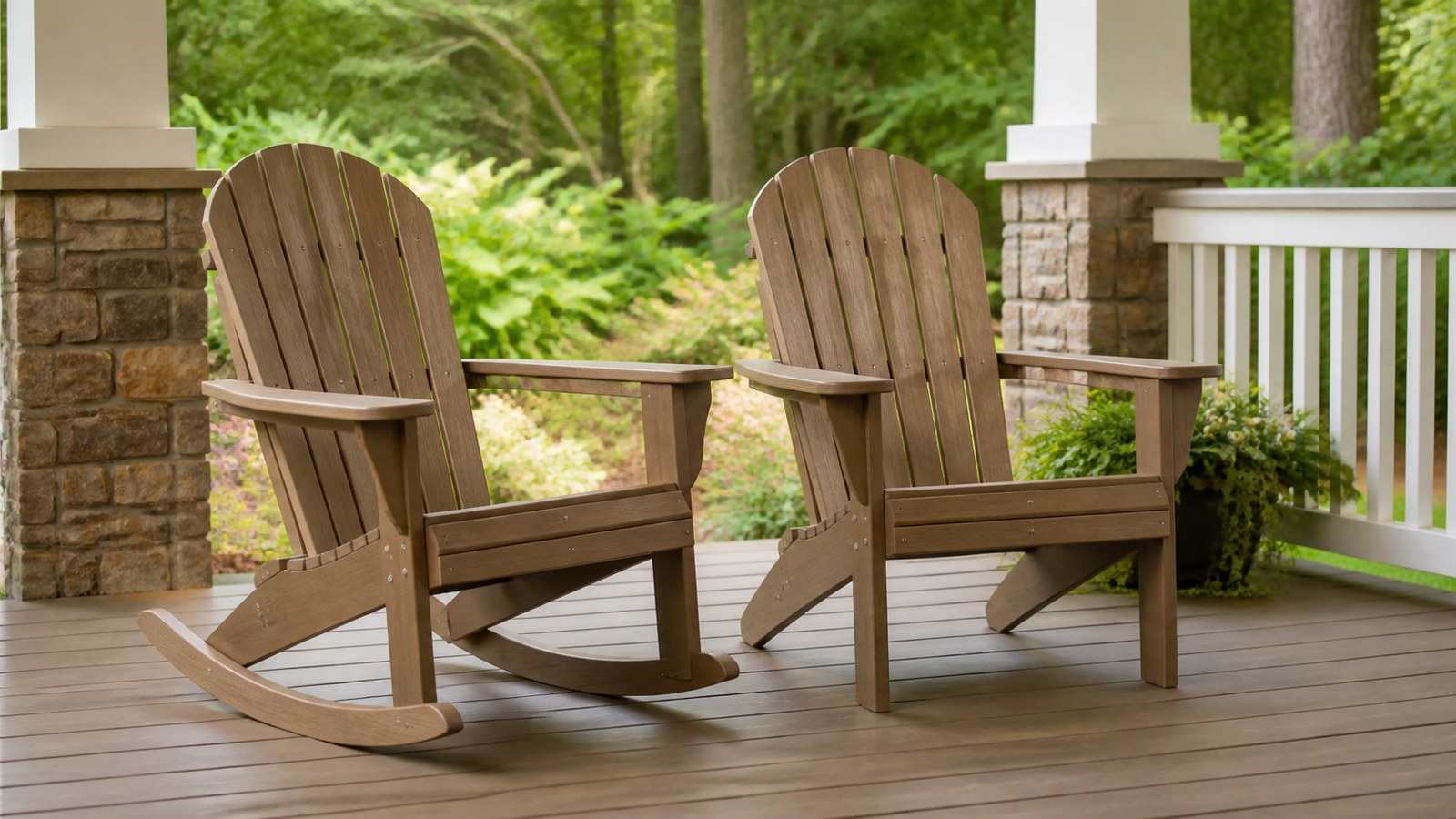
Weather-Resistant Adirondack Chairs and the Outdoor Durability Question
Outdoor furniture faces one of the toughest challenges of any household item: the weather. Rain, sun, snow, humidity, and salt air all conspire to wear down materials, warp wood, fade colors, and weaken joints. Among outdoor seating options, Adirondack chairs are famous not just for their comfort and style but for their ability to withstand years of exposure. Yet not all Adirondack chairs are created equal when it comes to durability outdoors. The real difference comes down to material choice, construction quality, and maintenance. In this guide, we’ll explore what makes some Adirondack chairs weather-resistant for decades while others may falter after just a few seasons. By understanding the strengths and weaknesses of various woods, plastics, and finishes, buyers can confidently choose chairs that endure the elements. The result is furniture that doesn’t just look beautiful in your backyard—it lasts long enough to become part of the memories you create there.
A: HDPE plastic—20+ years, no rot or fading.
A: Optional—oiling preserves golden color; left natural, it silvers.
A: Yes, but re-seal every 1–2 years for best results.
A: HDPE with stainless hardware resists salty air.
A: Only if prep is skipped—prime and seal carefully.
A: HDPE—just wash with soap and water annually.
A: Yes—weather resistant and eco-friendly.
A: Quick-dry foam and UV fabrics are recommended.
A: At least 40 lbs keeps chairs grounded in gusts.
A: Absolutely—longer lifespan means lower cost over time.
Why Outdoor Durability Matters for Adirondack Chairs
Adirondack chairs are often left outside year-round, making weather resistance a critical factor in their longevity. Unlike indoor furniture that only contends with dust and occasional spills, these chairs must survive rainstorms, UV exposure, snow accumulation, and fluctuating temperatures. A material that holds up in one climate might not perform as well in another, which is why the “what lasts longest outdoors” question is so important.
Investing in weather-resistant Adirondack chairs means investing in peace of mind. You won’t need to drag them into storage every time the forecast changes, and you won’t be replacing them every few summers. Instead, you’ll own furniture that can live outdoors and still look welcoming year after year. Durability is more than a convenience—it’s the deciding factor that turns Adirondack chairs from seasonal novelties into long-term fixtures.
Cedar: A Classic Choice for Natural Resistance
Cedar has long been a go-to material for weather-resistant Adirondack chairs. Its natural oils repel insects and moisture, making it resistant to rot without the need for chemical treatments. Cedar is also lightweight, which makes it easy to move, yet strong enough to endure heavy use. Its pleasant aroma and warm reddish tones add sensory appeal, and it ages into a silvery-gray patina that many people find beautiful. However, cedar does require some upkeep to extend its lifespan in harsh climates. Applying a protective sealant every few years helps preserve its color and strength. While cedar won’t last as long as dense hardwoods or synthetic materials, it is one of the best natural woods for weather resistance. A cedar Adirondack chair left outdoors can last 15 to 20 years with proper care, making it a solid mid-range investment.
Teak: The Gold Standard of Weather-Resistant Woods
For many homeowners, teak represents the pinnacle of outdoor durability. Its dense grain, natural oils, and high silica content make it virtually impervious to rot, insects, and moisture. Teak Adirondack chairs can endure decades of rain, sun, and snow without warping or splitting. Left untreated, teak develops a silvery patina, while regular oiling preserves its rich golden-brown hue.
The main drawback to teak is its price. It is one of the most expensive woods on the market, but its longevity often offsets the initial cost. A well-made teak Adirondack chair can last 40 years or more, making it a true heirloom piece. For those who prioritize durability and can afford the investment, teak is the wood that sets the standard for outdoor furniture.
Eucalyptus: A Sustainable and Durable Alternative
Eucalyptus has emerged as a popular alternative to teak thanks to its similar density and durability. As a fast-growing hardwood, eucalyptus is more sustainable and affordable, yet still offers excellent resistance to moisture and pests. Properly treated eucalyptus can last 20 years outdoors, performing especially well in humid climates where softer woods may deteriorate. Maintenance is key with eucalyptus. Like teak, it will weather to a gray tone if left untreated, but occasional oiling helps preserve its natural reddish-brown appearance. Eucalyptus offers a balance between affordability and long-term durability, making it one of the best value choices for weather-resistant Adirondack chairs in 2025.
Pine: Affordable but Requires Care
Pine is one of the most common woods used for Adirondack chairs, largely due to its affordability. However, untreated pine is not naturally weather-resistant. Without protective finishes, it is vulnerable to moisture, insects, and decay. To make pine Adirondack chairs suitable for outdoor use, manufacturers typically pressure-treat the wood or apply heavy-duty sealants. Even with treatment, pine requires more maintenance than cedar, teak, or eucalyptus. Regular sealing and painting are necessary to prevent rot and warping. While pine Adirondack chairs may only last 5 to 10 years outdoors, they can be a budget-friendly option for those who don’t mind performing upkeep.
The Rise of Recycled Plastic Adirondack Chairs
In recent years, recycled plastic Adirondack chairs made from high-density polyethylene (HDPE) have revolutionized the outdoor furniture market. These chairs mimic the look and feel of wood while offering unmatched resistance to weather. They do not absorb moisture, resist fading thanks to UV inhibitors, and are impervious to insects and rot. Unlike wood, they won’t splinter or crack under extreme temperatures.
The durability of HDPE Adirondack chairs is remarkable—they can last 25 years or more outdoors with virtually no maintenance beyond occasional cleaning. Available in a wide variety of colors, they allow buyers to personalize their outdoor spaces without worrying about repainting or refinishing. For many households, HDPE represents the most practical long-term solution for outdoor Adirondack chairs.
Resin and Composite Adirondack Chairs
Resin and composite Adirondack chairs are another category of weather-resistant options. These chairs are typically molded from synthetic materials that resist water and UV damage. While not as heavy-duty as HDPE, they offer durability at a lower price point. Resin chairs are lightweight, easy to move, and require almost no maintenance, making them appealing for casual use. The tradeoff is longevity. Resin chairs may not endure as many decades as teak or HDPE, but they can still provide 8 to 15 years of reliable service outdoors. For homeowners seeking affordable and low-maintenance weather resistance, composites and resins are attractive choices.
Hardware and Joinery: Overlooked Elements of Durability
When evaluating what lasts longest outdoors, it’s easy to focus solely on wood versus plastic. But the hardware and construction methods matter just as much. Stainless steel or galvanized hardware resists rust far better than standard steel screws, extending the life of the chair. Brass hardware, though less common, also offers strong resistance to corrosion. Joinery is another durability factor. Mortise-and-tenon joints, reinforced brackets, and precision cutting all prevent wobbling and splitting over time. Even the most weather-resistant material can fail if the chair is poorly constructed. Buyers should look for chairs that combine resilient materials with equally resilient craftsmanship.
Maintenance Practices That Extend Lifespan
Even the most weather-resistant Adirondack chairs benefit from some maintenance. For wood chairs, annual sealing or oiling helps prevent cracking and extends life significantly. Regular cleaning removes dirt and pollen that can wear down surfaces. Covering chairs during the off-season or storing them indoors adds further protection.
Plastic and resin chairs require far less care but still benefit from occasional rinsing to remove dust and debris. Keeping them shaded when not in use helps extend their color vibrancy. With minimal effort, homeowners can dramatically extend the comfort and appearance of their Adirondack chairs, maximizing their investment.
Regional Climate and Material Choice
What lasts longest outdoors often depends on where you live. In humid coastal climates, HDPE and teak outperform other materials because of their resistance to salt air and moisture. In dry, sunny regions, UV-treated plastics and hardwoods like eucalyptus fare best. For colder northern climates, where snow and freezing temperatures are common, dense hardwoods or composite plastics are most reliable. Matching material to climate ensures not only longer lifespan but also better comfort. For example, metal chairs may be durable, but they become scorching hot in desert environments or icy in winter. Adirondack chairs designed with regional performance in mind are more likely to deliver lasting satisfaction.
The Environmental Value of Durability
Durability itself is a form of sustainability. Adirondack chairs that last 20 to 40 years reduce waste, minimize replacements, and lower environmental impact. Recycled plastic models take this a step further by reusing post-consumer waste in products that endure for decades. FSC-certified woods ensure that harvested materials are replenished responsibly, supporting sustainable forestry.
When buyers choose weather-resistant Adirondack chairs, they are also choosing eco-friendly outdoor living. The fewer times you replace furniture, the smaller your footprint becomes. Long-lasting furniture is not just good for your backyard—it’s good for the planet.
Cost Versus Longevity: Finding Value
Weather-resistant Adirondack chairs often cost more upfront, but their longevity delivers greater value in the long run. A teak or HDPE chair that lasts 25 to 40 years may cost twice as much as a pine version that lasts five. But the pine will need to be replaced multiple times in the same period, ultimately costing more. By considering long-term value instead of short-term savings, buyers ensure they get the most comfort, reliability, and sustainability from their investment. Adirondack chairs are designed to be timeless; choosing weather-resistant versions ensures they live up to that promise.
Adirondack Chairs That Truly Last Outdoors
Weather resistance is the quality that separates Adirondack chairs that become heirlooms from those that fade into landfills. Teak and HDPE remain the top choices for unmatched longevity, while cedar, eucalyptus, and composites offer balance between cost and performance. Pine can work with proper treatment but requires more upkeep. Hardware, construction, and maintenance habits all play vital roles in ensuring that Adirondack chairs stay strong in the face of the elements. For homeowners seeking furniture that delivers both comfort and endurance, Adirondack chairs made from resilient materials are investments that pay off year after year. With the right choice, you won’t just own a chair—you’ll own an outdoor companion that thrives in every season.