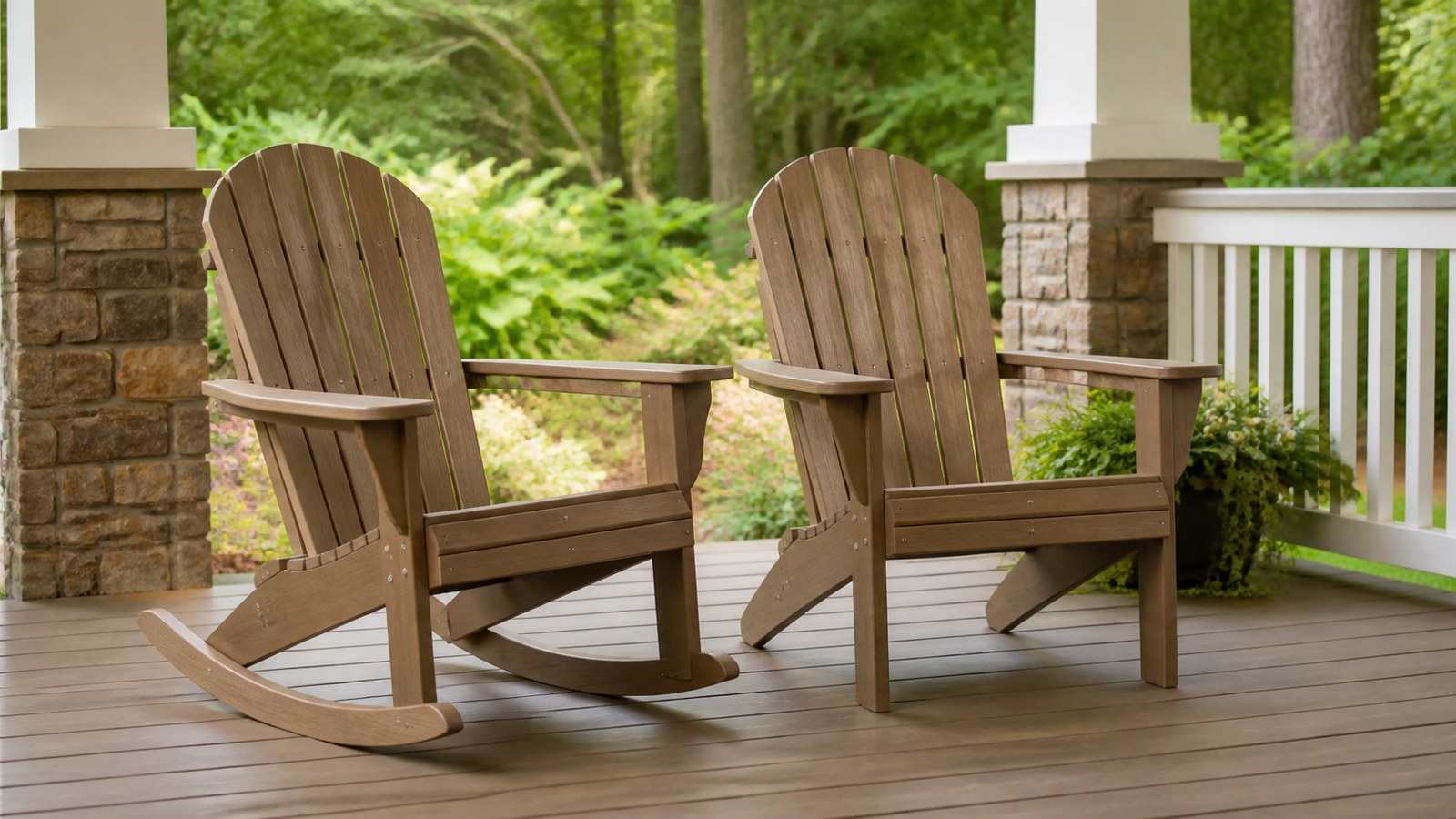
Polywood and Wood Adirondack Chairs Compared for Today’s Buyers
The Adirondack chair is one of the most iconic pieces of outdoor furniture ever created. With its slanted seat, tall backrest, and wide armrests, it has been a symbol of relaxation for over a century. But while the classic design remains largely unchanged, the materials used to build Adirondack chairs have expanded dramatically. Today, the two most popular options are traditional wood and modern Polywood, each offering unique advantages and tradeoffs. For anyone looking to purchase Adirondack chairs, understanding the differences between these materials is the key to making an investment that balances comfort, longevity, and aesthetics. This guide explores the pros, cons, and best uses of both Polywood and wood Adirondack chairs. It will help you weigh factors such as durability, maintenance, cost, sustainability, and visual appeal. By the end, you’ll know which option suits your lifestyle and environment best, ensuring that the chairs you bring home provide years of comfort and enjoyment.
A: Polywood generally lasts 20+ years; wood 10–15 with upkeep.
A: Wood is usually more affordable upfront.
A: Polywood is heavier, great for windy areas.
A: Yes—oil, seal, or paint every 1–2 years.
A: Minimal fading thanks to UV-stable colors.
A: Wood offers authentic grain and patina.
A: Both—Polywood reuses plastics; FSC wood supports forests.
A: No—color is built-in, not surface applied.
A: Polywood—resists salt, sun, and moisture.
A: Wood Adirondacks—natural, warm, and traditional.
The Legacy of Wood Adirondack Chairs
Wood has been the foundation of Adirondack chairs since their creation in the early 1900s. The very first versions were handcrafted from local timber in the Adirondack Mountains of New York, giving them their distinctive rustic charm. Cedar, pine, and hemlock were commonly used in the earliest models, but over time hardwoods such as teak, eucalyptus, and acacia became popular for their increased strength and resistance to the elements.
Wooden Adirondack chairs are cherished for their natural beauty and traditional appeal. Each board has unique grain patterns and textures that make every chair one of a kind. For many homeowners, part of the appeal lies in the authenticity of the material, which connects them to the heritage of the design. Whether stained, painted, or left to weather into a silvery-gray patina, wood chairs carry a warmth and character that synthetic options often strive to imitate.
The Rise of Polywood Adirondack Chairs
Polywood represents a relatively new chapter in the Adirondack chair story. Made from high-density polyethylene (HDPE) derived from recycled plastics such as milk jugs, Polywood is engineered to replicate the look of painted wood while offering unmatched durability and minimal upkeep. Over the past two decades, Polywood and other HDPE brands have surged in popularity, becoming the go-to choice for homeowners seeking long-lasting, eco-friendly outdoor furniture. The appeal of Polywood lies in its resistance to the challenges that plague natural materials. It doesn’t splinter, rot, or absorb moisture. It resists UV damage, ensuring that vibrant colors remain bright even under prolonged sun exposure. With no need for staining, painting, or sealing, Polywood offers a virtually maintenance-free experience that fits perfectly with modern lifestyles.
Durability in Different Climates
When it comes to outdoor furniture, durability is everything. Wood Adirondack chairs can last decades if properly maintained, but their longevity varies by species. Teak is considered the gold standard, often lasting 40 years or more even in harsh climates. Cedar and eucalyptus are strong mid-range options, resistant to rot and insects, though they benefit from regular sealing to extend their lifespan. Pine, though inexpensive, is less durable outdoors without heavy treatments. Polywood chairs excel in durability regardless of climate. They are impervious to moisture, making them ideal for humid, rainy, or coastal regions where wood might struggle. They won’t crack in freezing temperatures or warp under the blazing sun. While wood requires attentive care to endure, Polywood remains consistently strong with minimal effort. For buyers prioritizing resilience in unpredictable weather, Polywood often comes out ahead.
Maintenance Needs Compared
Maintenance is one of the most significant differences between Polywood and wood Adirondack chairs. Wooden chairs, particularly those left outdoors year-round, need regular attention to stay in good shape. This includes cleaning, sealing, staining, or repainting every couple of years to protect against moisture, UV rays, and pests. Neglecting maintenance can quickly lead to fading, splintering, and decay.
Polywood eliminates most of these concerns. A quick rinse with a garden hose or mild soap is usually all that’s required to keep them looking fresh. The material doesn’t absorb water, so there’s no swelling or rotting. For people who prefer a low-maintenance outdoor lifestyle, Polywood offers clear advantages, allowing more time to relax in the chair rather than work on it.
Visual and Aesthetic Differences
Wood naturally brings warmth and authenticity to outdoor spaces. Its textures, grains, and subtle variations in tone create a charm that no synthetic material can fully replicate. A wooden Adirondack chair ages gracefully, developing a patina that tells the story of years outdoors. Painted versions offer flexibility in style, with the option to refresh colors or change aesthetics over time. Polywood takes a different approach, offering consistency and vibrant colors that last. Unlike painted wood, Polywood doesn’t chip or peel, and it comes in a wide variety of shades from natural earth tones to bold modern hues. While it lacks the organic imperfections of wood, its clean uniformity appeals to homeowners seeking a polished, contemporary look. Aesthetic preference often comes down to whether you value natural individuality or sleek consistency.
Comfort Considerations
Both Polywood and wood Adirondack chairs follow the same iconic design that promotes relaxation, but comfort can vary slightly based on construction details. Wooden chairs often feature gently contoured seats and backs, crafted to enhance ergonomic support. The natural give of wood also creates a softer feel compared to rigid materials.
Polywood, while slightly firmer, maintains comfort through carefully molded designs. Many brands offer contoured options that rival or surpass the comfort of wood. Cushions can be added to either type, though Polywood’s smoother surfaces tend to pair especially well with fabric accessories. Comfort is less about the material itself and more about the craftsmanship of the chair, so buyers should test models whenever possible.
Environmental Impact of Each Material
Sustainability is a growing concern for outdoor furniture buyers, and both Polywood and wood have eco-friendly qualities when sourced responsibly. Wood is renewable, particularly when harvested from sustainably managed forests certified by organizations such as the Forest Stewardship Council (FSC). Choosing FSC-certified wood ensures that your purchase supports responsible forestry practices. Polywood is made entirely from recycled plastics, reducing landfill waste and turning discarded materials into furniture that lasts for decades. Because Polywood chairs rarely need replacement, they also reduce overall consumption. For buyers weighing environmental impact, both options have merits, though Polywood often appeals to those who prioritize recycling and minimizing chemical treatments.
Cost Differences and Long-Term Value
Price often plays a decisive role in choosing between Polywood and wood. Wooden Adirondack chairs vary widely in cost depending on the species. Pine chairs are budget-friendly but less durable, while cedar and eucalyptus fall into a moderate price range. Teak sits at the high end, often costing several times more than other woods, though its longevity can justify the expense. Polywood chairs typically fall into the mid-to-high price range, similar to cedar or eucalyptus. While the upfront cost may be higher than pine, the long-term savings are significant because they require little maintenance and rarely need replacement. Viewed as an investment, Polywood often provides the best balance of cost and longevity, though buyers drawn to the unmatched character of wood may still find the extra effort worthwhile.
Best Uses for Wood Adirondack Chairs
Wood Adirondack chairs shine in settings where natural beauty is prized. They complement rustic cabins, mountain lodges, and gardens where organic textures blend seamlessly with the environment. For homeowners who enjoy DIY projects, wood chairs also offer opportunities for customization through painting, staining, or refinishing. Their tactile warmth and authenticity make them perfect for spaces that celebrate tradition and craftsmanship.
They are also excellent choices for covered patios or porches where they are shielded from the harshest weather conditions. In these environments, maintenance is reduced, and the chairs can last for decades while retaining their charm. For those who value heritage and aesthetics, wood remains unmatched.
Best Uses for Polywood Adirondack Chairs
Polywood Adirondack chairs are the champions of exposure. They excel in coastal regions where salt air corrodes metal and moisture warps wood. They are equally effective in hot, sunny environments where UV rays fade paint and crack untreated boards. For families who want outdoor furniture that can stay outside year-round without worry, Polywood is the clear choice. They also suit modern backyards, poolside retreats, and contemporary patios where vibrant colors or sleek finishes enhance design. For buyers who prefer low-maintenance lifestyles and value sustainability, Polywood Adirondack chairs provide unmatched reliability and peace of mind.
Choosing Based on Lifestyle
Ultimately, the decision between Polywood and wood Adirondack chairs depends on lifestyle. If you enjoy maintaining furniture, value natural authenticity, and want a classic look that deepens with age, wood may be your best choice. It requires care but rewards you with warmth and individuality.
If you prefer a set-it-and-forget-it approach, live in a challenging climate, or want bold, fade-resistant colors, Polywood is ideal. It provides decades of outdoor comfort with little to no upkeep. Both choices honor the Adirondack tradition; the best choice is the one that aligns with how you live and the kind of backyard experience you want to create.
What to Look for When Buying Either Type
When shopping for Adirondack chairs, quality matters as much as material. For wood, check for FSC certification, tight joinery, and weather-resistant finishes. For Polywood, look for UV inhibitors, stainless steel hardware, and warranties that guarantee durability. Weight is another indicator; heavier chairs are less likely to tip or blow over, signaling better construction. Regardless of material, craftsmanship defines longevity. A well-made chair from either category will outperform a poorly built one, even if the material itself is durable. Paying attention to these details ensures that your investment pays off in comfort and reliability for years to come.
The Balance Between Tradition and Innovation
The debate between Polywood and wood Adirondack chairs is not about which is universally better but about how tradition and innovation meet different needs. Wood celebrates history, craftsmanship, and natural beauty. Polywood celebrates technology, sustainability, and convenience. Both are true to the Adirondack spirit of relaxation and outdoor enjoyment. The beauty of today’s marketplace is that buyers do not have to compromise. Whether you choose the timeless character of wood or the modern durability of Polywood, you are investing in a design that has brought comfort to generations. With knowledge of pros, cons, and best uses, your Adirondack chairs will serve as trusted companions in every season.