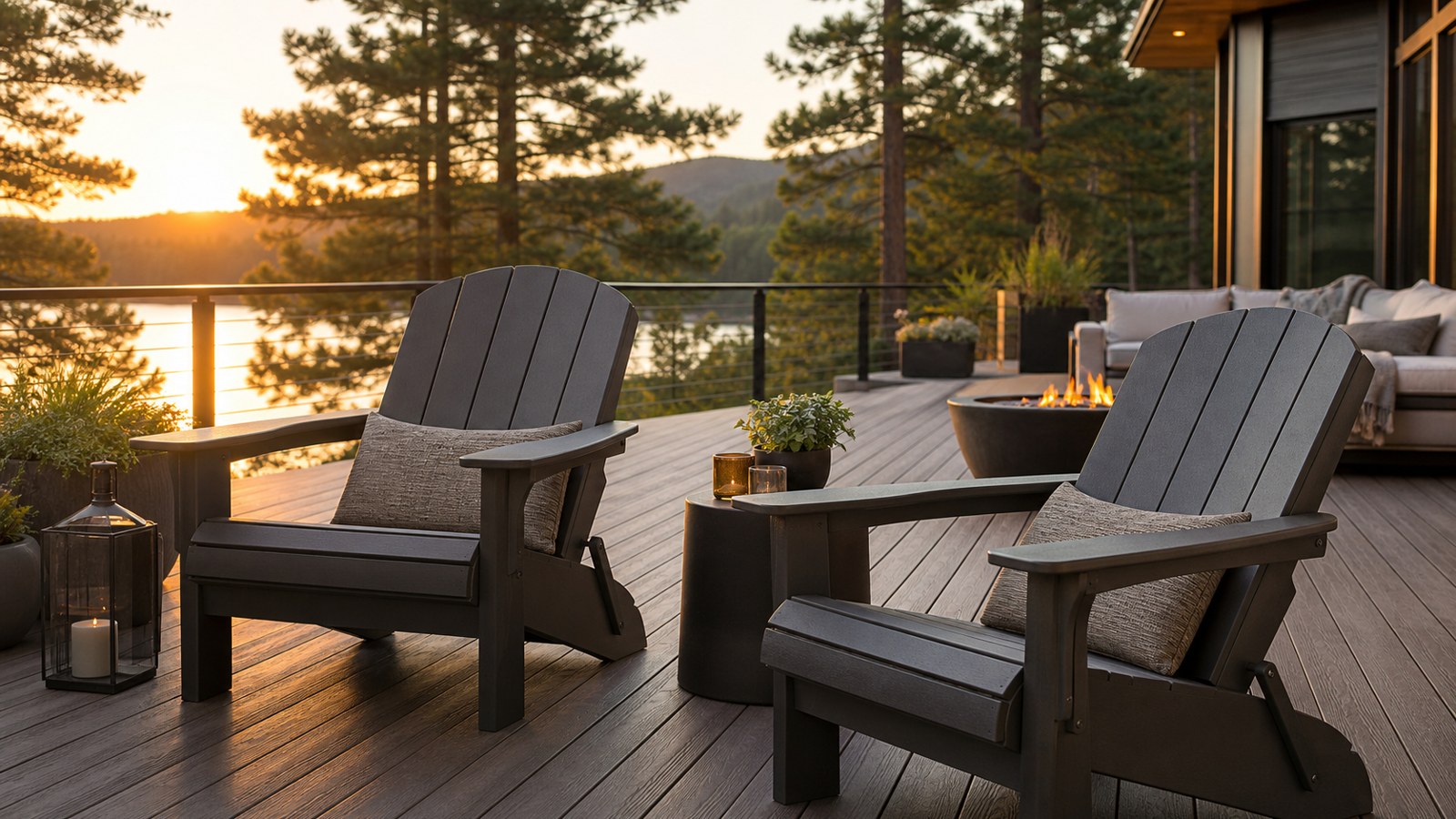
Teak vs HDPE Modern Adirondack Chairs: Best Materials Compared
Adirondack chairs continue to symbolize relaxation and leisure in outdoor living spaces. Their deep seats, angled backs, and wide armrests provide comfort that few other chairs can match, making them a favorite on patios, decks, porches, and around firepits. As modern designs evolve, homeowners often find themselves choosing between two of the best materials available today: teak wood and high-density polyethylene, commonly known as HDPE. These materials stand apart in origin and feel, yet they both deliver impressive durability and charm. Exploring them in depth reveals which choice might suit a particular lifestyle, setting, and aesthetic preference.
Teak represents tradition, heritage, and natural beauty. It is a tropical hardwood that has been valued for centuries for its weather resistance and strength. In contrast, HDPE represents modern innovation. It is a synthetic material derived primarily from recycled plastics, transformed into dense, sturdy, and attractive lumber-like boards. Both can create Adirondack chairs built to last, but they appeal to different values, and the differences in appearance, maintenance, and performance become clear once examined closely.
A: Both can last decades. Teak needs periodic care; HDPE needs simple washdowns. Pick based on maintenance style.
A: Yes if left unfinished. Oil or seal to maintain the honey tone; graying doesn’t harm structural integrity.
A: Quality HDPE uses UV inhibitors to minimize fade. Dark colors may warm up more in full sun.
A: HDPE is the low-maintenance winner. Teak works, too—use marine hardware and rinse periodically.
A: Teak: sand and re-oil. HDPE: scratches are same-color through; often a Scotch-Brite pass softens edges.
A: Comes from design. Both can be equally comfortable with contoured seats and correct angles.
A: Aim 35–50 lb. Many HDPE chairs meet this; teak’s density also helps. Add non-marring glides.
A: Teak: FSC certification. HDPE: high recycled content and end-of-life take-back policies.
A: Teak often costs more upfront; HDPE saves time on upkeep. Long-term value depends on how much you prize wood’s look vs zero-refinish ownership.
A: Absolutely—HDPE by the pool, teak on the porch; match cushions for a cohesive look across zones.
A Material Born from Nature versus One Engineered by Science
Teak grows in tropical regions and has long been a material of choice for shipbuilding, outdoor furniture, and architectural projects. The dense grain and natural oils make it uniquely resistant to rot, pests, and water damage. Sitting in a teak Adirondack chair connects you directly to a material that has been shaping design traditions for hundreds of years. Every board carries a rich golden hue and fine grain that only natural wood can provide. HDPE, by comparison, begins its journey as post-consumer plastic waste. Milk jugs, detergent containers, and other plastics are recycled, cleaned, and processed into heavy, solid planks. These planks are molded and shaped into chairs that feel substantial and consistent. What might once have been destined for a landfill becomes long-lasting furniture, giving HDPE a sustainability story rooted in innovation. It is wood-like in look and touch when manufactured with grain textures, but without the vulnerabilities that natural materials sometimes face outdoors.
Strength and Weather Resistance
The test of outdoor furniture often comes in how well it stands up to the elements. Teak has a natural ability to resist damage from rain, snow, humidity, and sun. The oils within the wood serve as a built-in shield against decay, which means teak furniture often remains structurally sound for decades. Many owners appreciate how teak develops a soft silver patina after years outdoors, seeing it as a graceful sign of age rather than deterioration.
HDPE achieves weather resistance in a different way. Because it is a synthetic resin, it does not absorb water, swell, or splinter. It remains unaffected by insects, salt air, or mold. Even in regions with intense sun, UV stabilizers built into the material slow down fading. HDPE chairs look nearly identical year after year, and the material never requires sanding, sealing, or painting. This predictable durability makes it particularly attractive for homeowners in climates that swing from harsh winters to hot summers.
Care and Maintenance
Owning teak comes with an element of choice. Some owners love the natural weathered gray look that develops if the wood is left untreated. Others prefer to preserve the original golden brown tone by applying teak oil or protective sealants. This requires maintenance every few months if a consistent look is desired. Cleaning teak is simple, usually just a mild soap and water scrub, but stains from food, drinks, or leaves may require more attention. The reward is a chair that matures gracefully with a unique appearance.
HDPE dramatically reduces the time spent on upkeep. Because the color is uniform throughout the material, scratches or chips barely show. A quick rinse with a garden hose or a wipe with soapy water keeps it looking new. There is no need for oil, sealants, or refinishing. Families with busy schedules, rental property owners, or those who simply prefer low-effort furniture care often lean toward HDPE Adirondack chairs because of this simplicity.
Appearance and Style
Teak carries a warmth and authenticity that no synthetic material can fully replicate. The natural grain patterns, the golden brown tones, and the organic touch bring a timeless quality to outdoor furniture. Over time, as teak ages to a silvery gray, it develops character and depth, much like a stone path that becomes more charming with use. Teak chairs blend seamlessly into natural landscapes, whether nestled among gardens, by a lake, or on a cabin porch. HDPE approaches aesthetics from a different perspective. It offers nearly unlimited color options, from muted neutrals to bold, vibrant shades. Homeowners can coordinate furniture with house trim, outdoor cushions, or seasonal décor. Many manufacturers now produce HDPE with wood-grain textures, giving the look of lumber with the resilience of plastic. Whether the goal is a modern black chair for a sleek patio or a cheerful turquoise set for a poolside retreat, HDPE provides the flexibility to match almost any design vision.
Comfort in Everyday Use
The signature comfort of Adirondack chairs lies in their angled backs, wide seats, and generous armrests. Both teak and HDPE versions are designed around these principles, so the material itself does not drastically alter the ergonomics. However, the feel can differ subtly. Teak has a natural warmth to the touch, especially as wood tends to retain ambient temperature. On cooler evenings, teak feels pleasantly smooth and inviting, making it appealing for long conversations around a fire.
HDPE has a denser, firmer touch, and it can feel slightly cooler in shaded or windy conditions. Yet its molded precision allows manufacturers to shape the chairs with consistent ergonomic curves that support the body well. Cushions or head pillows work equally well with both materials, so comfort often comes down to design quality rather than material. In either case, Adirondack chairs remain among the most comfortable outdoor seating options available.
Environmental Considerations
Choosing outdoor furniture today often involves thinking about its environmental footprint. Teak has long been admired for its longevity, which naturally reduces waste because pieces can last decades. However, teak’s origins in tropical forests mean that responsible sourcing is critical. Plantation-grown teak, often certified by the Forest Stewardship Council, provides assurance that the wood is harvested sustainably. Choosing such sources ensures that purchasing teak does not contribute to deforestation. HDPE carries a compelling sustainability story of its own. By repurposing recycled plastics, it prevents thousands of containers from ending up in landfills or oceans. Many manufacturers use closed-loop recycling, where any scrap HDPE is re-processed into new furniture. At the end of its lifespan, HDPE is also fully recyclable, which reinforces its eco-friendly credentials. For those who value recycling and reducing plastic waste, HDPE can feel like a clear expression of modern environmental responsibility.
Cost and Value
The financial aspect of choosing between teak and HDPE often plays a large role. Teak is a premium hardwood, and its cost reflects both its rarity and its reputation. A single teak Adirondack chair can easily be several hundred dollars, and high-end models may exceed a thousand. While this represents a significant investment, it is one that pays off in longevity. A well-maintained teak chair can last for generations, making it more of an heirloom piece than disposable furniture.
HDPE Adirondack chairs usually occupy a middle ground in terms of pricing. They can range from modestly priced options to more premium models that rival the cost of teak. The advantage with HDPE lies in warranties and the absence of ongoing maintenance costs. Many come with warranties spanning twenty years or more, ensuring peace of mind. When considering value over time, HDPE offers a strong balance of affordability and durability.
Matching Lifestyle and Climate
The best material often depends on how and where the furniture will be used. Teak suits those who enjoy interacting with their furniture, whether by applying oil, watching the wood’s transformation, or appreciating a living material that changes with age. It thrives in temperate climates and adds elegance to spaces where a natural look is most important.
HDPE fits perfectly into more demanding lifestyles or climates. It withstands salty coastal breezes, snowy winters, and humid summers without complaint. For rental properties, vacation homes, or heavily used patios, HDPE eliminates concerns about wear and tear. It is also ideal for households where convenience is a top priority, since upkeep is nearly effortless.
Longevity and Aging
Teak has proven its ability to last half a century or more, with antique pieces still strong today. Its transformation in appearance over time is part of its appeal, moving from golden brown to silver gray without losing integrity. Owners who love this evolving character find teak rewarding in ways few other materials can match. HDPE, though relatively newer as a furniture material, is engineered for permanence. Its appearance remains stable for decades, and its structure does not weaken or splinter with time. Manufacturers back these claims with long warranties, which makes HDPE a reliable investment. Where teak ages gracefully with visible change, HDPE remains consistent, offering predictability as the years pass.
Design Versatility
Teak Adirondack chairs bring a timeless look that works especially well in traditional or natural settings. A teak chair beside a stone firepit, under a pergola, or on a wooden deck feels harmonious and refined. It appeals to those who value craftsmanship, authenticity, and natural charm. HDPE opens doors to creativity. Because of its wide color range, it adapts to modern minimalist spaces, coastal themes, or bold, playful patios. Resorts often favor HDPE for its ability to create a unified look with consistent colors across multiple chairs. Homeowners who enjoy experimenting with design themes find HDPE’s adaptability appealing, since it can match changing tastes without requiring new furniture purchases.
Weighing the Two Choices
When comparing teak and HDPE, both stand as exceptional materials for modern Adirondack chairs, yet each tells a different story. Teak emphasizes heritage, authenticity, and organic beauty. It asks for more care and investment, but it rewards with a living material that matures gracefully. HDPE emphasizes convenience, sustainability, and resilience. It provides a dependable, low-maintenance alternative that thrives in virtually any climate. Choosing between them is less about deciding which is universally superior and more about recognizing which aligns better with your values and lifestyle. Some homeowners find joy in caring for teak and watching it change through the years, while others prefer the simplicity of HDPE and the confidence it inspires in harsh weather. Both will provide lasting comfort, both will enhance outdoor spaces, and both represent some of the finest options for Adirondack chairs available today.