
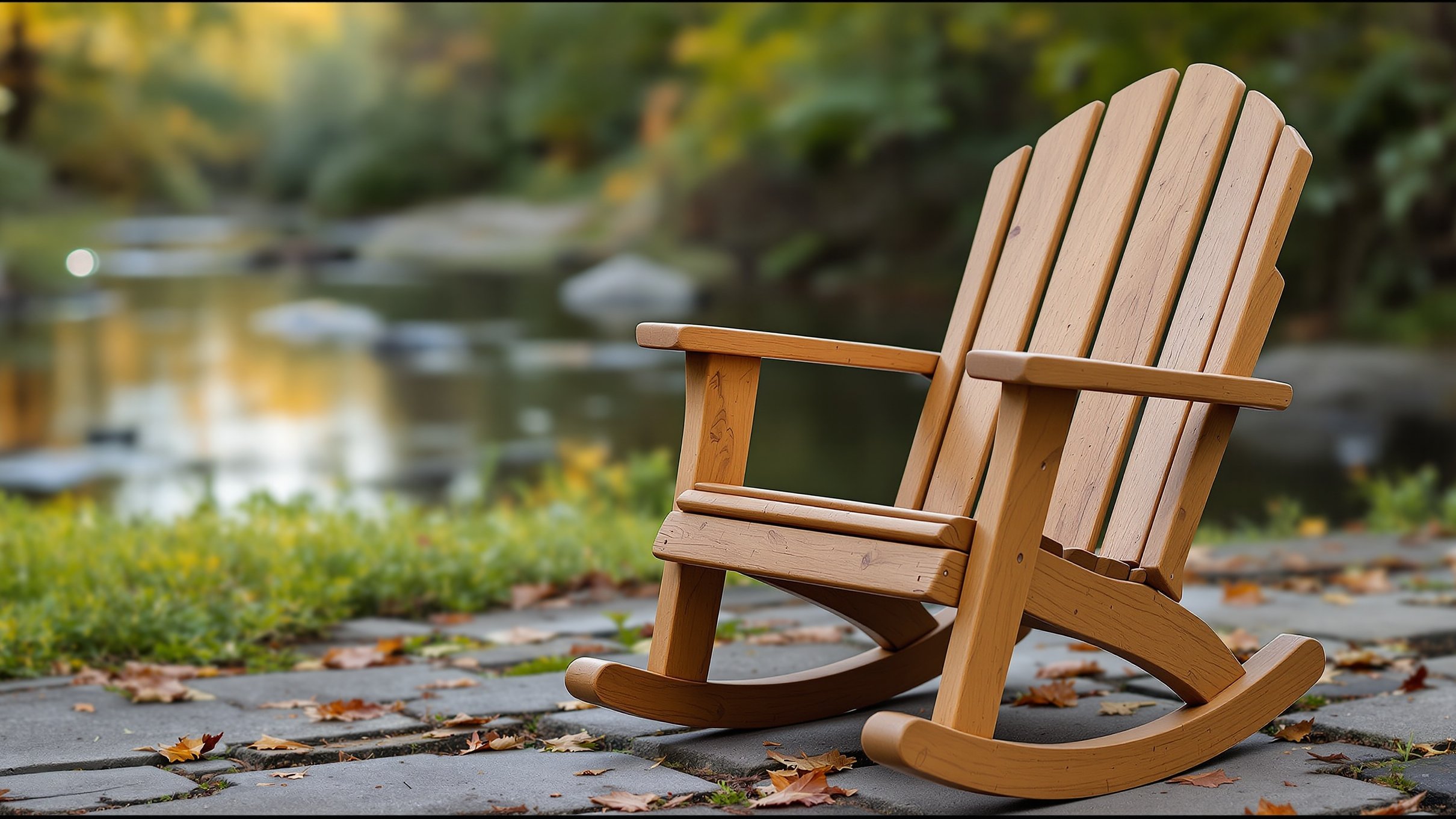
Few pieces of outdoor furniture feel as welcoming as an Adirondack chair. The wide arms, sloped seat, and relaxed posture invite long conversations, lemonade breaks, and slow summer afternoons. For generations, these chairs have symbolized comfort and connection with the outdoors. Now that same classic charm is being reimagined for children through kid-sized rocking Adirondack chairs—designs created specifically to fit smaller bodies while keeping all the personality of the original. These miniature rockers give kids a special place of their own on the porch, patio, or in the backyard, encouraging them to enjoy fresh air in comfort and style. Parents are drawn to kid-sized Adirondack rockers because they blend nostalgia with practicality. Children love having furniture that feels grown-up yet perfectly scaled to them. Whether it’s used for reading, snacking, watching fireflies, or simply rocking back and forth on a lazy afternoon, a child-friendly Adirondack chair can quickly become a treasured part of family life. Understanding what makes these chairs safe, durable, and truly fun is the key to choosing the right design.
Why Adirondack Chairs Work So Well for Children
The traditional Adirondack chair was originally designed for relaxation. Its deep seat, high back, and gently angled base distribute weight evenly and allow the body to rest naturally. When this design is scaled down for children, those same benefits remain. Kids can sit comfortably without dangling legs or awkward posture. The broad armrests provide space for coloring books, snacks, or a favorite stuffed animal, turning the chair into a small activity station.
Rocking versions add another layer of appeal. Gentle motion has a calming effect on many children, helping them settle after energetic play. The steady rhythm of a rocker can even make outdoor story time more engaging. Because the Adirondack form is already low to the ground, adding rockers doesn’t create the instability that taller chairs sometimes have. This combination of comfort and movement explains why these chairs have become popular in family spaces, daycares, and children’s reading gardens.
The Importance of True Kid-Sized Proportions
Not all small Adirondack chairs are genuinely designed for children. Some are simply shrunken replicas with little thought given to ergonomics. A well-made kid-sized chair considers the average height of children between three and ten years old. The seat should be low enough for feet to rest on the ground, and the back angle should support a child’s shorter torso. When proportions are correct, children can climb in and out easily without adult assistance, which builds confidence and independence. Proper sizing also affects safety. Chairs that are too large may encourage children to perch on the edge or kneel on the seat, increasing the risk of tipping. A thoughtfully designed model invites natural sitting positions. Parents should look for dimensions specifically labeled for children rather than “small” or “compact” adult chairs. The difference may seem subtle, but it dramatically influences how secure and comfortable the chair feels.
Materials That Stand Up to Play
Kid-sized rocking Adirondack chairs are made from a variety of materials, each with its own strengths. Wood remains the classic choice. Cedar, eucalyptus, and acacia are popular because they resist moisture and insects while aging beautifully. Wooden chairs feel warm and substantial, and many families appreciate the traditional look. However, wood requires some maintenance such as sealing or occasional repainting to handle years of outdoor use.
Recycled high-density polyethylene, often called poly lumber, has become a favorite modern alternative. This material mimics the appearance of painted wood but never splinters, cracks, or needs refinishing. It’s heavy enough to stay stable in wind yet smooth to the touch, making it excellent for children. Plastic resin chairs are another budget-friendly option; they are lightweight and easy to move but may not have the same longevity as wood or poly lumber.
Metal frames are less common for Adirondack styles but occasionally appear combined with wooden slats. When choosing any material, parents should consider climate, storage space, and how rough their children tend to be on furniture. A chair that can survive rainstorms, muddy shoes, and enthusiastic rocking will provide far more enjoyment than a delicate showpiece.
Safety Features Parents Should Look For
Because rocking chairs involve motion, safety details are essential. Smooth, rounded edges prevent scrapes on bare legs and arms. Hardware should be recessed or covered so that small fingers cannot catch on screws or bolts. Many high-quality children’s Adirondack rockers include anti-tip rockers that limit how far the chair can tilt backward or forward. This feature keeps energetic kids from turning the chair into a playground ride. Weight capacity is another important consideration. Even though the chair is sized for children, it should be sturdy enough to hold at least 100 to 150 pounds. This ensures the structure can handle years of growth and the occasional adult who forgets and takes a seat. Non-toxic finishes are critical as well, especially for younger children who may touch the chair with messy hands or even taste it out of curiosity. Parents should also think about where the chair will be placed. A flat, stable surface such as a wooden deck, concrete patio, or level lawn reduces the chance of wobbling. While these chairs are designed to be safe, thoughtful placement adds an extra layer of protection.
Designs That Spark Imagination
One of the joys of kid-sized Adirondack rockers is the wide range of playful designs. Classic white or natural wood finishes match traditional homes, but many families choose bright colors that reflect a child’s personality. Ocean blues, sunshine yellows, strawberry reds, and mint greens can turn a simple chair into a statement piece. Some manufacturers offer themed versions with engraved names, star cutouts, or whimsical shapes along the back slats.
Personalization makes the chair feel special. Adding a child’s name, a favorite animal decal, or a small outdoor cushion can transform the rocker into a beloved possession. Because Adirondack chairs have broad surfaces, they are perfect for creative touches without overwhelming the design. These details encourage children to claim the chair as their own and spend more time outdoors.
Encouraging Healthy Outdoor Habits
In a world filled with screens, giving children an inviting place to sit outside has real value. A comfortable rocker on the porch can become the setting for daily routines such as after-school snacks, homework breaks, or bedtime stories under the stars. Children who associate outdoor spaces with comfort are more likely to play outside, observe nature, and develop a lifelong appreciation for fresh air. The gentle motion of a rocking chair also supports quiet moments. Many parents find that children are more willing to talk about their day while rocking side by side. The chair becomes more than furniture; it turns into a small stage for family connection. Placing a few kid-sized rockers next to adult Adirondack chairs creates an inclusive environment where everyone has a seat at the conversation.
Easy Care for Busy Families
Another reason these chairs appeal to parents is how simple they are to maintain. Poly lumber and resin models can be cleaned with mild soap and water after messy art projects or popsicle spills. Wooden chairs may need seasonal attention, but many finishes now protect against fading and mildew for years. Lightweight versions can be stacked or carried into a garage during winter, while heavier models often stay outside year-round.
Cushions and accessories should be chosen with the same practicality in mind. Removable, washable covers make life easier, and quick-dry foam prevents musty odors after rain. Because children’s interests change quickly, many families appreciate designs that can grow with the child rather than overly juvenile themes that feel outgrown after a single summer.
Choosing the Right Chair for Different Ages
Toddlers, early elementary children, and older kids all have slightly different needs. For very young children, a chair with a higher front lip and limited rocking range provides extra security. Preschoolers benefit from lightweight models they can move themselves, supporting independence. Older children may enjoy more robust chairs that resemble adult versions, helping them feel mature while still fitting comfortably. Some brands offer matching sets in multiple sizes so siblings can each have an appropriate chair. This avoids the common problem of older children squeezing into tiny seats or younger ones climbing into oversized rockers. Considering who will use the chair most often ensures better long-term satisfaction.
Integrating Chairs Into Outdoor Spaces
Kid-sized Adirondack rockers fit naturally into many parts of the home landscape. On a front porch they create a welcoming scene and give children a place to greet neighbors. Around a backyard fire pit they become the best seats for roasting marshmallows. Near a sandbox or playhouse they provide a cozy rest stop between adventures. Even balconies and apartment patios can accommodate a single small rocker, giving urban children their own slice of outdoor life.
Grouping several chairs together encourages social play. Children can host imaginary tea parties, craft sessions, or storytelling circles. Because the chairs are easy to move, the layout can change with the activity—lined up like a train one day, facing each other like a classroom the next. This flexibility is part of what makes Adirondack rockers more than static furniture.
Sustainability and Thoughtful Purchasing
Many modern Adirondack chairs for children are produced with sustainability in mind. Poly lumber is often made from recycled milk jugs and detergent bottles, turning waste into long-lasting furniture. Responsibly harvested wood and water-based finishes reduce environmental impact. Choosing durable products that won’t need replacement every season is another form of eco-friendly decision making. Parents can involve children in the selection process by discussing colors, materials, and where the chair will live. This teaches kids to care for their belongings and understand the value of well-made items. A chair chosen thoughtfully is more likely to be treated gently and kept for years.
Creating Memories One Rock at a Time
What makes kid-sized rocking Adirondack chairs truly special is not just their design but the moments they host. They are the seats where children first read chapter books on their own, where grandparents share stories, where sleepy toddlers watch summer sunsets. The slow creak of a rocker becomes part of the soundtrack of childhood.
Unlike many toys that lose appeal, a well-built chair grows alongside its owner. Even after a child outgrows the seat, it can find new life with younger siblings, visiting cousins, or as a charming accent in the garden. Some families keep these chairs long after childhood as keepsakes of simpler days.
Final Thoughts on Safe & Fun Designs
Kid-sized rocking Adirondack chairs combine timeless style with modern safety and comfort. By paying attention to proportions, materials, and thoughtful features, parents can choose a chair that supports healthy posture, encourages outdoor time, and withstands years of enthusiastic use. The best designs respect the classic Adirondack spirit while celebrating the energy and imagination of children. Adding one of these chairs to a home is more than a decorating decision; it is an invitation for children to slow down, breathe fresh air, and enjoy the gentle rhythm of rocking beneath open skies. With the right choice, a simple piece of furniture can become a favorite destination, a place where childhood memories take shape one sunny afternoon at a time.


