The Luxury of Somewhere to Linger
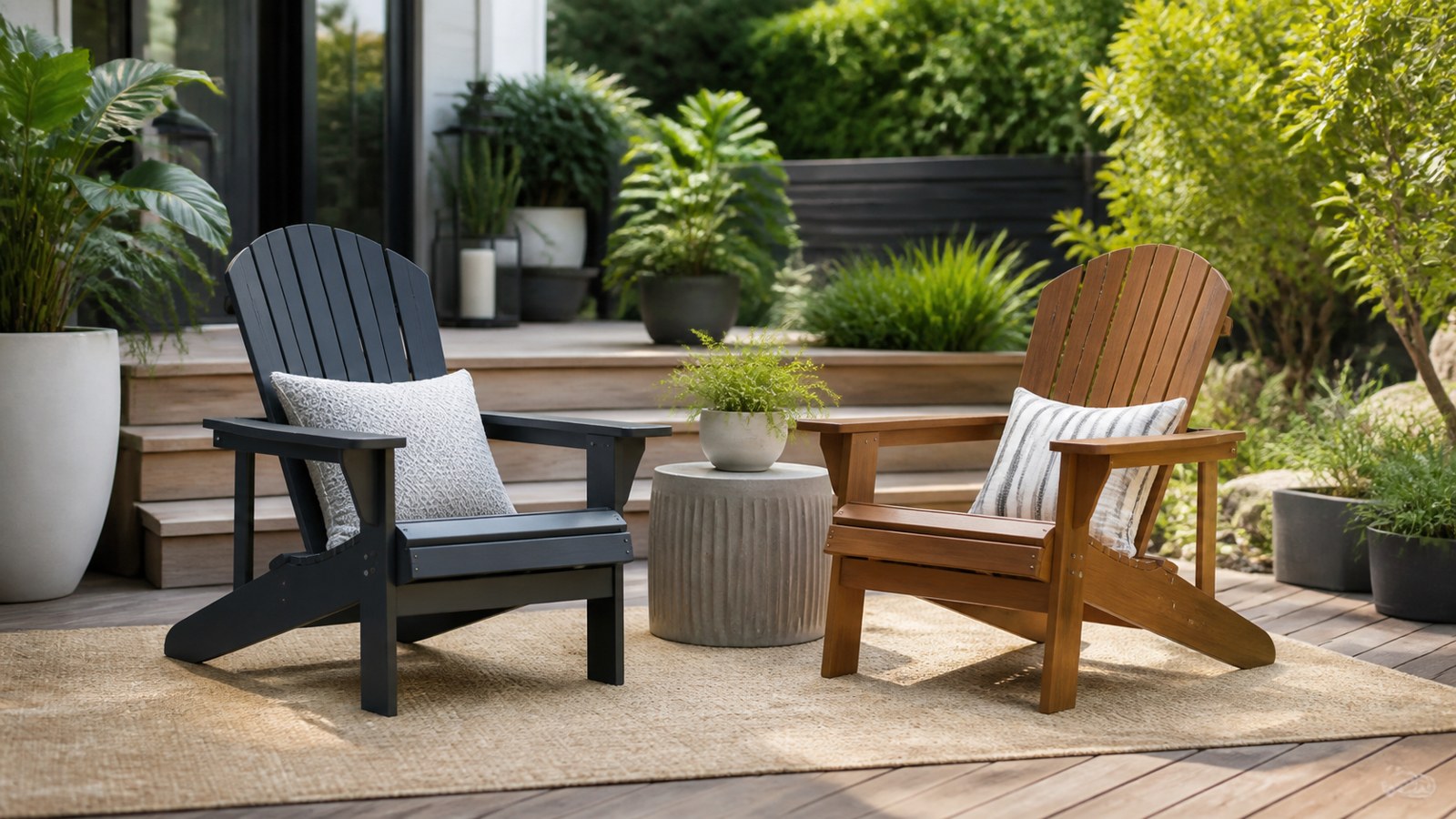
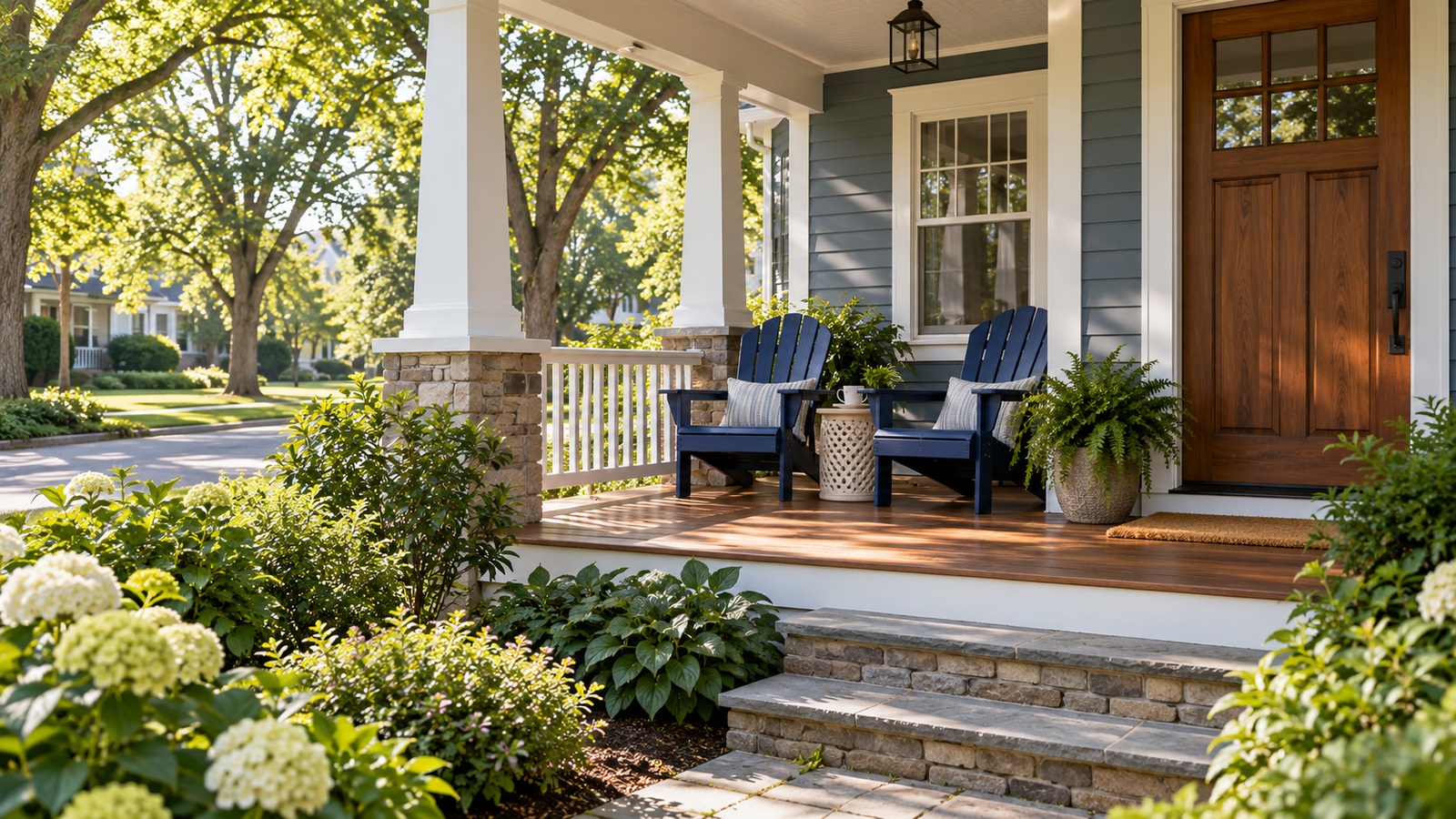
Two chairs facing a quiet view can suggest a whole afternoon without showing a single person. There is somewhere to sit, a reason to stay, and apparently enough room in the day to enjoy both. Adirondack chairs are especially effective at creating that impression because their broad arms and reclined silhouette make the invitation legible from a distance. This is a useful way to understand their association with relaxed luxury: as an interpretation of design and setting rather than a claim that one marketing campaign transformed the chair overnight. The form can appear beside a modest garden as convincingly as beside a polished terrace. Its appeal depends less on visible expense than on whether the furniture and the place seem ready for comfortable, unhurried use. Examining that relationship reveals how an outdoor seat can communicate abundance through space, ease, and the possibility of a pause.
A: No. Fit, placement, condition, and ease of use shape the experience more directly than price alone.
A: It can create a different, equally intentional invitation for quiet individual time.
A: This article interprets repeated visual and practical associations rather than asserting a single documented turning point.
A: No. A pleasant garden feature or quiet tree canopy can give the seat a worthwhile outlook.
A: Comfort can guide the dimensions while color or material creates a visual relationship.
A: Yes, when the chair remains sound and comfortable; deterioration should not be romanticized.
A: Clear access, adequate sitting space, and a restrained arrangement can create a sense of ease.
A: No. Suitability depends on the surface, the object, and a stable arrangement.
A: A routine that keeps the furniture ready for use reduces the work between wanting to sit and actually sitting.
A: Test its orientation and clear unnecessary objects from the approach before replacing the chair.
A Symbol Is Built from Repeated Associations
A furniture type can acquire meaning through the situations in which people see and use it. An Adirondack chair beside water suggests a different activity from an upright seat pushed beneath a dining table. Its outline, orientation, and surrounding objects work together to communicate a scene. Calling that scene luxurious is a reading of those visual cues. It does not establish a single documented moment when the chair became a universal status symbol.
The association also varies by viewer. Someone may connect the form with a family garden, a holiday property, or an outdoor public space. Another person may simply see a comfortable-looking seat. These differences help explain why the chair can carry both familiarity and aspiration. A useful account leaves room for personal experience rather than assuming every observer reads the object in exactly the same way.
The Recline Suggests a Different Pace
The relationship between the seat and back makes many Adirondack interpretations look suited to lingering. A sitter can lean into the chair rather than remaining visibly poised for a task at a table. The posture communicated by the shape contributes to the impression of rest. That visual promise matters even before anyone sits down, particularly when the chair faces a garden, a horizon, or an open stretch of water.
Actual comfort remains more specific than the image. Seat depth, height, back contour, and arm position need to suit the individual. A chair that looks effortlessly relaxed may be difficult for a particular person to enter or leave. Evaluating the fit prevents the symbolic promise from becoming a disappointment. Relaxed luxury is more convincing when the furniture genuinely supports the people expected to use it.
Design variations change the message slightly. A higher seat can look more accessible, a deeper recline can emphasize lounging, and a straighter back treatment can give the same general form a quieter contemporary character. These are differences worth noticing rather than treating every version as interchangeable. The familiar silhouette provides continuity, while the proportions determine what kind of pause the chair actually accommodates.
Generous Arms Communicate Room to Settle
Broad arms add substance to the chair’s outline and provide an obvious place for the forearms to rest. They can also make the seat appear self-contained, as though a person could settle there with a book and need little else. That impression depends on the particular surfaces and objects involved. An arm is not automatically an appropriate table for every drink or plate. Its symbolic generosity should still be matched with a practical setup.
Uncluttered Space Makes the Invitation Clear
A chair needs visible room around it to appear easy to use. If the arms crowd a doorway or the feet overlap a busy route, the furniture communicates friction rather than rest. A generous setting does not require an enormous property. It can mean a small seating pocket whose boundaries and circulation have been carefully considered. Clear ground and a natural approach can make a modest corner feel surprisingly accommodating.
This is one reason a restrained arrangement can look more luxurious than a large collection of furniture. Every additional piece introduces another footprint and another task for the eye. A useful table may strengthen the invitation by supporting a drink or book. Several redundant accessories can obscure it. Assess each object by what it contributes to the sitting experience rather than by how completely it fills the available space.
The spacing between two chairs also affects the character of the scene. Seats can be close enough for conversation while leaving room to approach and stand. A pair turned toward a shared view creates a different relationship from chairs facing one another. Test those orientations through actual use. An arrangement that feels comfortable to the household will communicate ease more persuasively than one maintained only for its appearance.
Visual restraint should not become impractical sparseness. If a person needs a stable drink surface, a shaded position, or an easier approach, provide it. The goal is an understandable place to sit, not an empty photograph. The most successful editing removes unnecessary objects while retaining the things that make the chair usable. That combination lets the space look calm because it functions calmly.
A View Gives the Seat a Purpose
Water, planting, changing light, or a pleasant garden feature can give a chair an obvious reason to face in a particular direction. The view need not be dramatic. A quiet tree canopy can be enough to create somewhere the eye can rest. The furniture then becomes part of an experience rather than a decorative object stored outdoors. Its orientation makes the invitation specific.
A useful view also includes the conditions in which it will be enjoyed. Sun in the eyes, intrusive traffic, or an exposed windy position can limit the appeal of an otherwise beautiful location. Observe the area during the hours when you expect to sit. A slightly less picturesque spot may offer a much better experience. Luxury understood as ease makes room for that practical choice instead of insisting on the most impressive backdrop.
Materials Set the Tone Without Telling the Whole Story
Natural wood can bring visible grain and warmth to an outdoor arrangement. Painted surfaces can make the chair relate to a building or planting palette. Synthetic materials can preserve the recognizable silhouette with a different surface quality and care routine. None of these appearances proves a particular level of luxury on its own. The material needs to be well handled and appropriate to the product and setting.
Consistency can matter more than expense. A cleanly finished arm, a coherent color choice, and hardware that suits the design make the chair feel considered. A costly material with awkward proportions or neglected joints can have the opposite effect. Look at the completed object rather than relying on the name of the material. The refinement comes from the relationship between construction, finish, and use.
Visible weathering can be part of a setting’s character when the furniture remains sound and comfortable. It should not be used to romanticize rot, splinters, or instability. A chair that looks lived with can still need careful maintenance. Distinguishing appearance from condition makes the relaxed scene more credible. The invitation to rest depends on a seat that people can trust.
Luxury Can Mean Less Work Between You and the Seat
An appealing outdoor chair is more likely to be used when preparing it is straightforward. If every sitting session requires moving a heavy cover, relocating three accessories, and cleaning accumulated debris, the arrangement may become an occasional project. A practical care routine keeps the opportunity to pause close at hand. Choose furniture whose maintenance requirements fit the time and effort available in the household.
This does not mean one material removes all work. Every outdoor chair needs some cleaning and inspection, and the details vary by model. A person who enjoys caring for wood may find that routine entirely reasonable. Someone else may prefer a product with fewer finishing tasks. The luxurious part is the fit between the object and the owner’s habits, which allows the chair to remain ready for use.
The Pair Creates a Small Social Promise
Two Adirondack chairs can suggest shared time without staging a formal gathering. The arrangement offers room for another person while remaining intimate in scale. A conversation can begin with both sitters facing the same landscape, or the chairs can be angled toward each other. This is a design interpretation of the pair, not evidence that every household uses it in the same way. Its usefulness depends on the people and the place.
That promise becomes stronger when both seats are genuinely comfortable. Matching appearance should not take priority over different physical needs. A household can use related but differently proportioned chairs and still create a coherent scene. Repeating a color or material may be sufficient to connect them visually. Comfortable participation is more meaningful than insisting on perfect symmetry.
A single chair can carry a different but equally appealing promise. It may offer quiet reading, an unhurried morning, or a place to watch the garden alone. The symbolism of relaxed luxury does not require a pair. The meaningful quality is an intentional opportunity to sit. Furniture count should follow how the space will be used rather than a fixed image of what an inviting terrace must contain.
Price and Aspiration Are Different Questions
A chair’s cost can reflect material, manufacturing, distribution, service, or brand positioning. It does not independently establish comfort or the quality of the experience around it. Compare the actual construction, dimensions, care requirements, and replacement support. These details explain more about long-term suitability than an aspirational product name. A costly chair that never fits the household’s routine can remain an expensive ornament.
A modestly priced chair can contribute to a refined setting when it is sound, well placed, and thoughtfully maintained. Existing furniture may only need a better orientation or a simpler surrounding arrangement. Begin by assessing what is already useful. Creating a place to linger is often partly an editing task, not necessarily a purchasing task. That makes the idea of relaxed luxury accessible without reducing it to a shopping list.
When comparing new options, spend where the choice improves real use. Better fit, dependable construction, and practical service can matter more than decorative extras. If an accessory adds complexity without solving a need, reconsider it. This way of spending connects appearance with ownership. It also protects the scene from becoming a collection of impressive objects that leave no comfortable place to rest.
Advertising images can still be useful sources of inspiration when read carefully. Notice the space around the chairs, the direction they face, the number of accessories, and the quality of the light. Then translate those observations into the conditions of your own property. Do not assume the same furniture will reproduce the photograph’s experience. The setting and the routine are doing part of the work.
A Familiar Form, Used with Intention
The Adirondack chair communicates relaxed luxury most clearly when its generous silhouette is supported by an actual opportunity for comfortable sitting. Clear access, a worthwhile outlook, suitable proportions, and manageable care make the invitation real. These qualities can exist in a small garden as well as on an expansive terrace. Their value comes from how well they serve the people who will use them.
Seen this way, the chair’s symbolic appeal is less mysterious. It turns an ordinary outdoor location into an understandable place for an unhurried pause. The form supplies a recognizable cue, while placement and ownership give that cue substance. When the chair stays comfortable, dependable, and easy to approach, the impression of luxury follows naturally from something more durable than a styled image: a place where there is room to settle in.