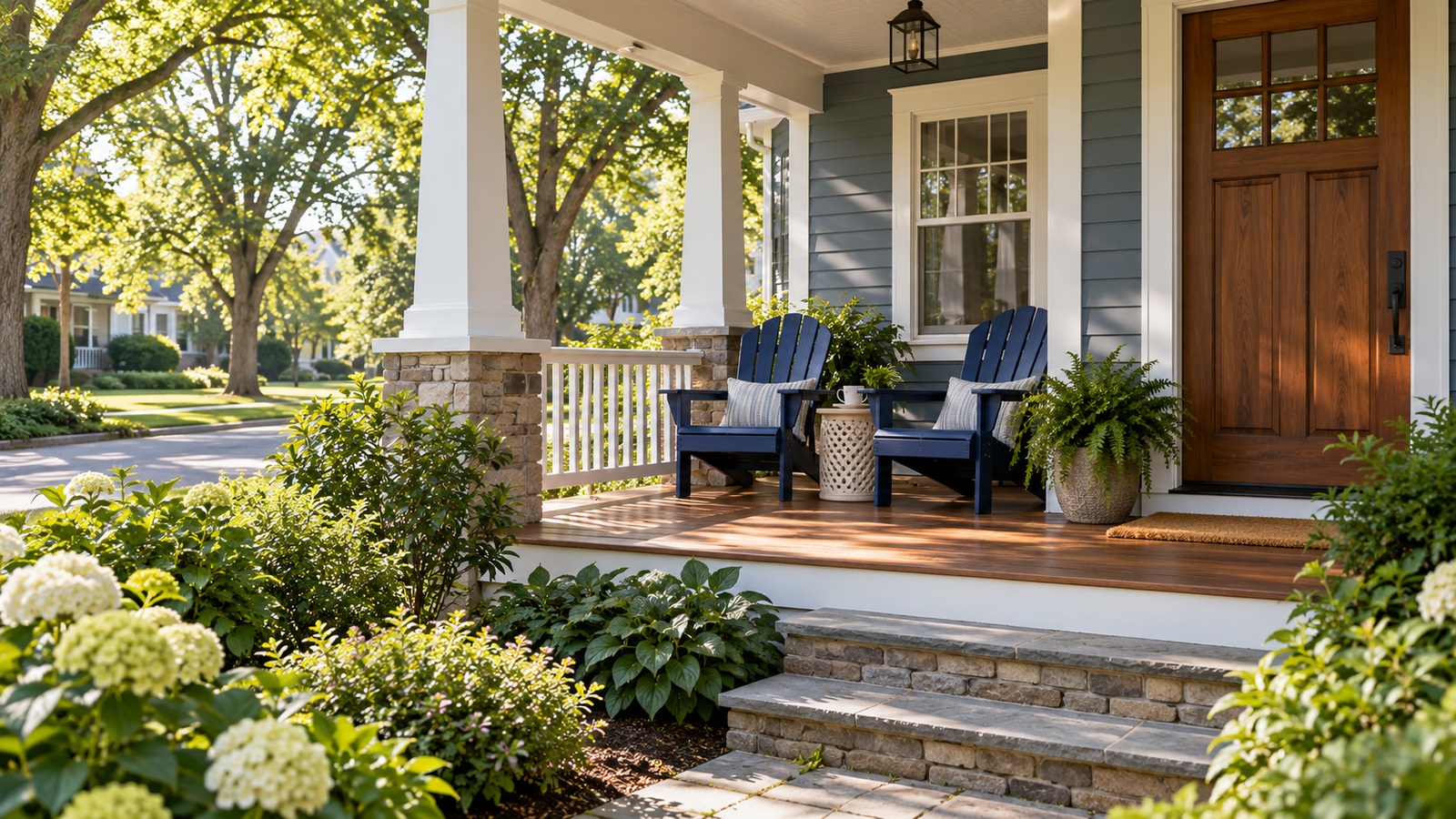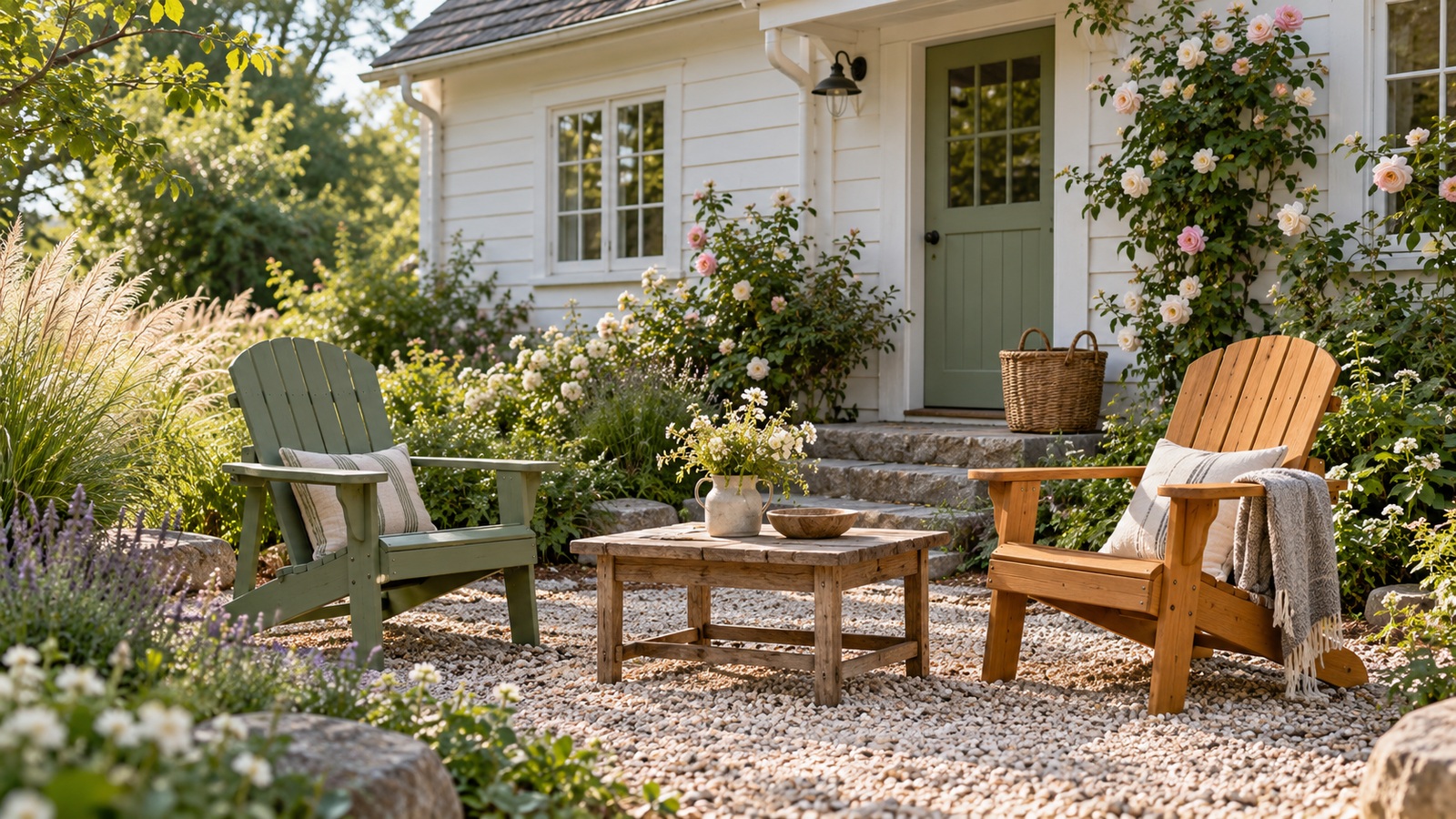
A Cottage Is Made by the Way It Is Used
The feeling of a cottage comes partly from the building and partly from the routines around it. A door opens onto the garden, someone carries a cup outside, and a familiar chair becomes the place to read before the day’s work begins. Adirondack chairs fit this scene because their recognizable form turns an outdoor patch into somewhere a person can remain. Their connection with cottage culture is best understood through that relationship between furniture and seasonal living. It does not require a claim that one chair caused a broad cultural movement or appeared at every retreat in the same era. The chair offers a useful lens for looking at the appeal of cottage life: closeness to the outdoors, comfortable informality, repeated household rituals, and objects that remain useful across visits. Examining those qualities also reveals the practical work behind the idyllic picture, from choosing suitable materials to making the seating area easy to reach and maintain.
A: The term can be used broadly, so clarify the property and way of living being discussed.
A: The association can be explored through design and use without asserting that one chair caused the broader tradition.
A: Yes, when their appearance, construction, and care requirements suit the actual property.
A: No. Related colors or materials can connect seats with different proportions for different users.
A: The furniture needs a care and storage routine that remains practical when nobody is regularly present.
A: A specific pleasant outlook can give the chair a useful direction without a dramatic landscape.
A: Known dates, replaced parts, finish changes, and any information linking the object to the property.
A: Guests need a dependable, understandable sitting arrangement even when they do not share the owner's memories.
A: Its condition and usefulness should still support safe, comfortable service.
A: A practical relationship with the place and the repeated routines of the people who use it.
Cottage Culture Contains More Than One Story
The word cottage can describe different buildings, ownership arrangements, and ways of spending time. A seasonal family retreat, a modest permanent home, and a rented holiday property may share visual features while serving different lives. Their furnishing histories should not be collapsed into one universal account. Before interpreting an Adirondack chair in a cottage scene, establish what kind of place the scene represents and whether the account concerns a specific property or a broader design association.
Likewise, the rise of cottage culture is not a single event that can be dated through one piece of furniture. Its history involves travel, leisure, housing, regional traditions, and access to particular landscapes. This article considers the chair’s relationship with the habits and visual character of cottage life. A claim about when an individual property adopted the furniture would need its own dated photographs, records, or reliable recollections.
Seasonal Living Gives Ordinary Objects Extra Meaning
A chair used during repeated visits can become part of how a place is recognized. The first sitting session after arrival may mark the transition from travel to being there. An outdoor seat can be associated with a certain view, a stretch of sunlight, or a familiar sound from the garden. These meanings arise from use rather than from the original purchase description. They help explain why apparently simple furniture can become important to a household.
The Adirondack form supports that connection through its substantial outline and relaxed sitting arrangement. It looks as though it has a settled purpose outdoors. That does not guarantee a comfortable fit for every person, and different models offer different proportions. But the shape can give the household an immediately recognizable place to pause. A repeated routine then adds the personal associations that a new chair cannot arrive with.
Seasonal return also makes change visible. A refreshed coating, a repaired arm, or a chair moved to a better position can become part of the property’s ongoing story. Those changes need not weaken the sense of continuity. They show how people keep familiar objects useful as their needs evolve. Cottage culture can include repair and adaptation rather than depending on furniture that remains visually untouched.
Outdoor Rooms Can Stay Informal
A cottage seating area does not need to imitate a furnished interior room. A chair, a useful surface, and a comfortable approach can be enough to establish a place in the garden. The informality comes from choosing objects that serve actual activities without making the arrangement feel elaborate. A modest cluster can leave planting, weather, and changing light as important parts of the experience. That balance gives outdoor living room to be different from life inside the house.
The Materials Should Relate to the Place and the Routine
Wooden furniture can echo timber details, weatherboards, or a garden’s natural surfaces. Painted chairs can pick up a cottage trim color or create a gentle contrast with planting. These are visual relationships worth considering, but they do not determine whether the chair is suitable for the property’s exposure. The actual material, finish, hardware, and construction need to match the conditions in which the furniture will be used.
A seasonal property may stand empty between visits, which changes the maintenance problem. A chair requiring close attention can be a reasonable choice when someone is regularly present and willing to provide it. The same product may be less practical where long gaps separate visits. Choose from the manufacturer’s actual care instructions rather than an imagined cottage lifestyle. The routine should be possible for the people who will carry it out.
Synthetic interpretations can belong in a cottage setting as well. Their surface quality and care requirements differ from wood, but the familiar outline may remain. A restrained color and a thoughtful location can connect the furniture with the building without pretending it is an antique. Honest material choices are more useful than enforcing a nostalgic image that creates work the household cannot manage.
Mixed furniture can reinforce the informal character when each piece has a clear role. A wooden Adirondack chair might sit beside an upright seat suited to another person. Color, scale, or the surrounding planting can provide visual coherence. Matching every detail is less important than creating a usable arrangement. The cottage becomes more welcoming when its familiar scene can accommodate the people actually visiting it.
Daily Rituals Need Practical Support
Reading outside calls for a comfortable sitting position and light that suits the hour. An early cup of coffee may need an accessible surface rather than an arm that is awkward to reach. Conversation calls for chairs placed within a comfortable relationship to one another. These ordinary activities should shape the arrangement. A beautiful seat that serves none of the household’s usual routines may remain scenery rather than part of cottage life.
Start with one or two activities the family genuinely enjoys. Then provide the minimum useful furniture and observe how it works over a visit. A chair may need to turn slightly, move closer to shelter, or share a table with another seat. Small adjustments made through experience can create a stronger sense of belonging than a complete arrangement chosen in one shopping trip. Use allows the outdoor place to develop.
The Garden Can Be Part of the Furnishing
Planting helps define a seating pocket without necessarily requiring another built boundary. A hedge, a cluster of grasses, or a planted edge can make a chair feel situated. The arrangement still needs room to approach and maintain. Avoid placing the seat where every watering task requires moving it, or where growth will quickly crowd the arms. The garden should support the outdoor routine rather than make it increasingly awkward.
Observe sun, shade, and the movement of air at the time you expect to sit. A chair placed for the most appealing photograph may be uncomfortable during normal use. Seasonal properties can make this harder because the light and planting may differ between visits. Leave room for reasonable relocation when the model and surface allow it. Flexibility can be part of a settled cottage arrangement.
Views can be small and specific. Looking toward a patch of flowers or a tree can be more satisfying than facing an exposed open area. A worthwhile direction gives the chair a reason to be where it is. The Adirondack silhouette then reads as a deliberate resting place instead of outdoor furniture waiting for storage. Orientation connects the object with the setting without requiring additional decoration.
Shared Places Hold Different Preferences
Family cottages can gather people with different bodies, habits, and ideas about relaxation. One person may prefer a deep recline, while another values easier standing. A single chair type need not serve everyone. Test the dimensions and consider whether another seating format belongs beside it. Familiarity should make the place more comfortable, not prevent it from adapting to the people who use it.
The arrangement also needs to accommodate the flow of a visit. People carrying food, bags, or garden tools should not have to squeeze between broad arms. Keep the route from the door understandable and the main entrance usable. A cottage’s informal appearance does not remove these practical needs. Good circulation helps the outdoor seating remain part of everyday life rather than an obstacle between activities.
Arrival and Departure Are Part of the Story
Seasonal living includes opening up and closing down, not only sitting outdoors in ideal weather. Chairs need inspection after time away, and stored accessories need checking before use. Follow the manufacturer’s care requirements for the particular furniture. The details may include cleaning, tightening specified hardware, checking moving mechanisms, or addressing worn surfaces. A dependable arrival routine helps a familiar seat return to service confidently.
Departure should leave the furniture in a suitable condition for the interval before the next visit. That might involve protected storage, an appropriate cover, or another arrangement recommended for the model and exposure. Drying matters when furniture or textiles are being enclosed. Avoid treating a tidy-looking bundle as evidence that the material beneath it is ready for storage. The practical condition deserves its own check.
Store cushions and movable accessories where their care requirements can be met. Keep instructions and model identifiers somewhere the next person responsible for the property can find them. Shared ownership or family use can otherwise leave maintenance dependent on one person’s memory. A simple recorded routine reduces confusion and helps the chair remain useful across changing visitors.
These tasks can themselves become familiar rituals, but they should remain proportionate. If the furniture requires more work than anyone will reliably do, reconsider the arrangement or material at the next appropriate opportunity. A cottage should not need to preserve an impractical object merely because it resembles a preferred image. Continuity is more valuable when it supports ordinary comfortable use.
Memories Deserve Specific Details
A household may associate one chair with a particular person or view. Those recollections can explain the emotional significance of the object without proving its exact age. If the family wants a historical record, gather dated photographs and document what is actually known. Note repairs and replacements rather than quietly treating several similar chairs as one continuous artifact. Specificity makes the remembered scene more useful and more personal.
For a rental property, the relationship differs. Guests may enjoy the furniture without sharing the owner’s history. Clear care information, dependable condition, and an accessible layout become especially useful. The outdoor seat should offer a welcoming experience on its own terms. A narrative about cottage tradition cannot compensate for furniture that is uncomfortable, poorly maintained, or difficult to use.
This distinction also helps when decorating. Objects should not need a fabricated story to appear at home. A contemporary chair can support a genuine routine, while an older object can be appreciated for its documented character. Let the building, the household, and the furniture retain their actual histories. The result is more convincing than styling every piece to imply an imagined past.
A Familiar Chair in a Living Tradition
The Adirondack chair’s connection with cottage culture comes into focus through the way it supports seasonal return, outdoor pauses, and informality. Its silhouette provides a recognizable invitation, while repeated use supplies the personal meaning. The relationship can continue through different materials and changing household needs. It does not depend on every property having the same historical origin or the same set of furniture.
Choose and place the chair so it belongs to the life of the cottage. Give it a suitable surface, an accessible route, a worthwhile direction, and care that the household can manage. Then allow the habits around it to develop over time. The strongest cottage character comes from that agreement between place and use, where an ordinary outdoor chair becomes familiar because it keeps serving a reason to be there.