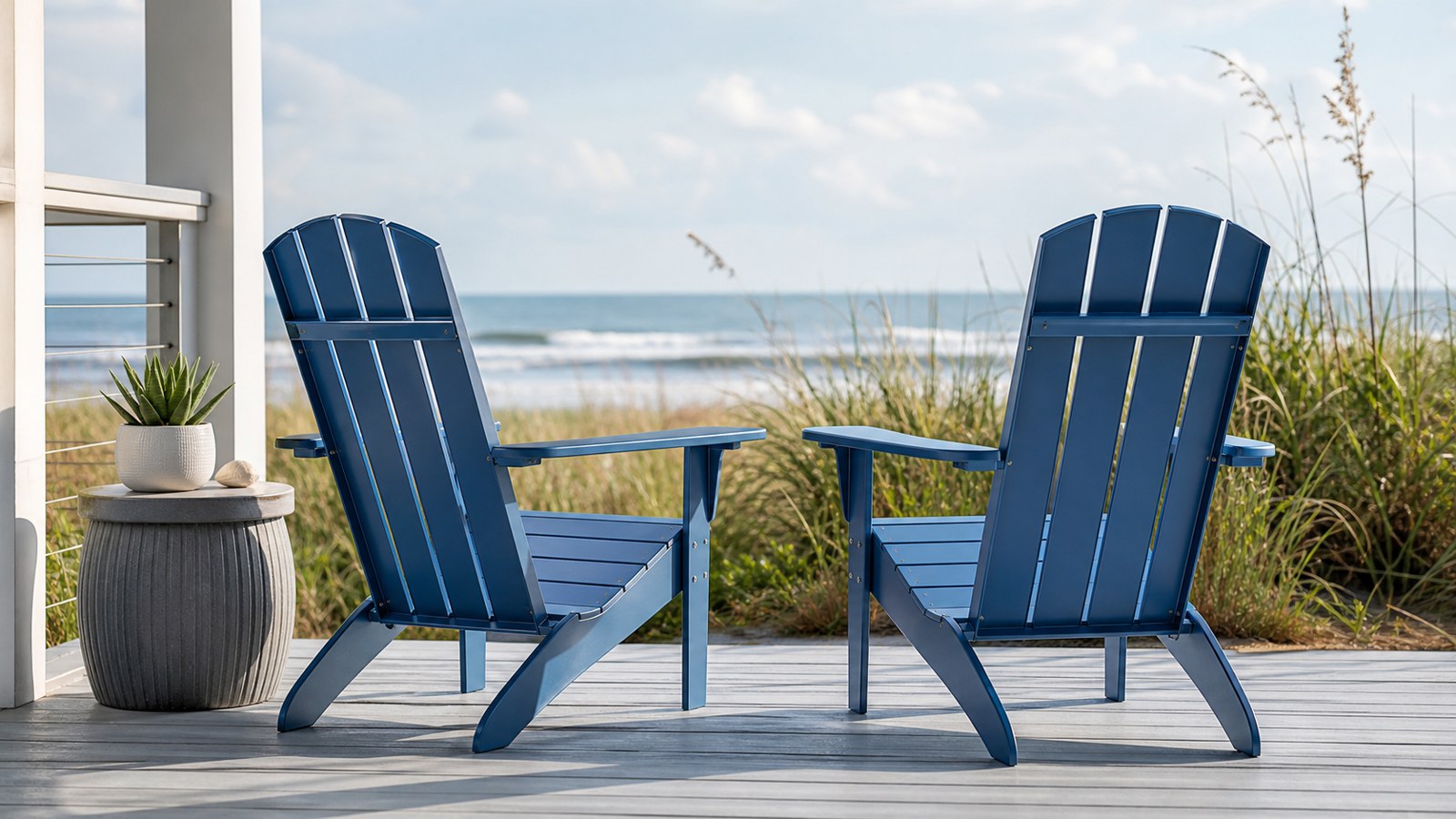
Metal Adirondack chairs have made a comeback in recent years, blending classic charm with sleek modern design. Their durability, striking finishes, and low maintenance appeal to homeowners, resorts, and design enthusiasts alike. But one question lingers on many minds—especially as summer approaches: Are metal Adirondack chairs too hot in the sun? The answer isn’t as simple as “yes” or “no.” It depends on several factors, including the type of metal, color, finish, exposure time, and even your local climate. In this comprehensive guide, we’ll unpack everything you need to know—how heat affects metal furniture, what makes some metals more comfortable than others, and the smart ways to enjoy metal Adirondack chairs all summer long.
A: Anchor with a neutral (oyster, fog, graphite) and rotate trend colors in pillows/planters.
A: Yes—metal frames with wood arm caps or a teak side table blend warmth and precision.
A: Two chairs angled 10–15° toward a low round table keeps sightlines open.
A: Stripes or micro-geometrics read well at distance; keep solids on the chair.
A: Use slim profiles, lighter side tables, and bright planters to balance the mass.
A: Powder is most durable; for small touch-ups, color-matched enamel works.
A: Three is intimate; four+ for gatherings—leave 24–30" clearance behind seats.
A: Monogram cutouts, contrasting arm caps, or a bold side-table color pop.
A: Repeat tones in pots, gravel, or mulch and echo an accent in blooms.
A: Match form language first (curvy vs. linear), then fine-tune with finish and hardware tone.
The Allure of Metal Adirondack Chairs
Before we dive into heat dynamics, let’s understand why metal Adirondack chairs are gaining popularity again. Traditionally crafted from wood, Adirondack chairs have evolved through decades of design innovation. Today, metal versions bring fresh versatility—they look at home in rustic cabins, coastal decks, modern patios, and urban rooftops alike.
A Blend of Tradition and Technology
Metal Adirondack chairs preserve the iconic silhouette—wide arms, a gently reclined back, and deep seat—but they add an industrial flair that stands out in both vintage and minimalist outdoor spaces. Aluminum, steel, and wrought iron dominate the lineup, often paired with durable powder coatings or weather-resistant finishes that protect against rust and corrosion.
Durability Meets Design
Wood requires regular sealing and maintenance. Plastic fades over time. But metal furniture lasts decades with minimal upkeep. A quick wipe and occasional re-coating are often all that’s needed to maintain their luster. That longevity is one reason design-forward homeowners are turning to metal for sustainability and long-term value. Yet despite all their appeal, metal’s biggest perceived downside remains: heat.
Why Metal Gets Hot in the Sun
To understand whether metal Adirondack chairs get uncomfortably hot, it helps to know the science of how heat interacts with different materials.
Conductivity and Heat Absorption
Metals are excellent conductors of heat. When the sun’s rays strike a metal surface, the energy transfers rapidly through the material, making it feel hot to the touch. The darker the color, the more heat it absorbs. This is why a black steel chair can feel scorching in July, while a white aluminum one remains relatively comfortable.
Surface Finish Matters
A shiny or reflective finish deflects more sunlight, keeping temperatures lower. Matte or textured finishes, on the other hand, can absorb more radiant heat. Powder coatings vary widely in reflectivity—meaning not all metal Adirondack chairs heat up equally.
Color: A Major Player
Color choice is one of the simplest ways to influence comfort. Lighter shades—white, beige, sky blue—absorb less solar energy than deep hues like charcoal or forest green. It’s the same reason a white car stays cooler in summer than a black one. So yes, metal can become warm. But the extent depends on how it’s treated and where it’s placed.
Aluminum vs. Steel vs. Iron: Which Gets Hottest?
Not all metals are created equal when it comes to heat retention. Each type of metal used in Adirondack chair construction behaves differently under the sun.
Aluminum: The Cool Contender
Aluminum is the most heat-manageable of the common metals. It heats quickly but also cools rapidly once shaded or breezed. Its relatively low density means it doesn’t store heat for long. Combined with reflective coatings, aluminum chairs are often surprisingly comfortable—even in peak sun.
Steel: Strong but Heat-Retentive
Steel is tougher and heavier, but it retains heat longer than aluminum. A dark-painted steel chair can get uncomfortable if left under direct sunlight for extended periods. However, with a light finish or fabric cushion, it’s easily manageable.
Wrought Iron: Timeless but Toasty
Wrought iron offers unmatched vintage charm and stability, but it’s the hottest of the bunch. Dense and dark, it stores heat for hours. That’s why wrought iron furniture pairs best with removable seat cushions or shaded areas. Once the sun dips, though, its temperature equalizes quickly, making it ideal for evening relaxation.
Real-World Testing: How Hot Do They Actually Get?
To ground this in reality, several outdoor design experts and DIY enthusiasts have conducted side-by-side temperature tests. Under full midday sun at 90°F (32°C):
- Black wrought iron chair surfaces reached 130–140°F (54–60°C).
- Dark steel chair surfaces hit around 120–130°F (49–54°C).
- Light-colored aluminum chair tops stayed closer to 100–110°F (37–43°C).
That might sound high—but it’s important to note that these readings reflect surface temperature, not ambient comfort. A light breeze, partial shade, or simple use of cushions can drastically reduce perceived warmth.
When Metal Adirondack Chairs Shine (Literally and Figuratively)
Despite potential heat buildup, metal Adirondack chairs thrive in many climates and uses. In fact, under the right conditions, they can outperform wood and plastic alternatives.
Cooler Evenings and Seasonal Comfort
For those who love evening lounging or shoulder-season use, metal shines. Unlike plastic, which can become brittle in cool weather, or wood that may warp from humidity, metal maintains consistent comfort and form year-round.
Perfect for Covered or Mixed Spaces
Patios with pergolas, awnings, or large umbrellas mitigate direct sun exposure. In such setups, the metal’s ability to resist fading and damage makes it ideal for permanent placement.
Resistant to the Elements
From desert dryness to coastal humidity, metal holds up against UV rays, salt spray, and rain. With proper coatings, rust and corrosion are minimal issues—particularly with marine-grade aluminum or powder-coated steel. In short: if you can provide a little shade or choose the right color, you can comfortably enjoy your metal Adirondack chair in nearly any weather.
Design Innovations That Keep Metal Chairs Cool
Modern outdoor furniture designers have made impressive strides to counteract the “too hot” problem. Many 2025 metal Adirondack collections integrate temperature-mitigating features that blend technology with craftsmanship.
Powder-Coated Perfection
Advanced powder coatings not only prevent rust but now include UV-reflective pigments that bounce sunlight instead of absorbing it. Brands market these as “cool touch” finishes—a subtle but effective improvement that can reduce surface temperature by 10–15°F compared to standard paints.
Ventilated Slat Designs
Some metal Adirondack models include wider spacing between slats or perforated backs. These allow airflow that keeps the chair from trapping heat and improves comfort during long sits.
Hybrid Materials and Mixed Media
Designers are increasingly blending materials—think aluminum frames with wood-look composite slats or metal bases topped with fabric panels. These hybrid builds keep structure strength while adding comfort in key touch areas.
Reflective and Light Finishes
The rise of brushed aluminum, matte silver, and pastel powder coats shows that function and fashion can go hand-in-hand. These finishes help minimize heat absorption while providing modern visual appeal.
Cushions, Covers, and Comfort Hacks
Even if you already own metal Adirondack chairs that tend to heat up, there are easy and inexpensive ways to make them more comfortable during sunny hours.
Add Cushions or Seat Pads
High-quality outdoor cushions or quick-dry foam seat pads instantly eliminate the issue of hot metal surfaces. Many come with UV-resistant, water-repellent covers made from Sunbrella or Olefin fabrics, designed to last through seasons of exposure.
Use Throw Blankets or Towels
For quick comfort, a folded beach towel over the seat and back can absorb heat while adding a cozy touch. It’s also easily washable and changeable with your décor.
Strategic Placement
Position your chairs under an umbrella, tree canopy, or pergola. Even partial shade can reduce surface temperature by up to 20°F. Rotating their placement based on the sun’s path can also make a surprising difference.
Timing Your Relaxation
If your outdoor relaxation happens mostly in the mornings or evenings, metal chairs are often cooler than any other material. The heat retention that’s a liability at noon becomes a bonus at dusk—keeping you comfortably warm as the air cools.
Comparing Metal to Other Adirondack Materials
To decide whether metal is right for you, it helps to compare it with other common Adirondack chair materials—wood, plastic (HDPE or resin), and composite blends.
Wood: Natural but Needy
Wood feels cooler in direct sunlight and offers timeless charm, but it demands regular sealing, staining, or painting to stay weatherproof. Over time, wood can warp or crack, especially in humid or coastal climates. Metal wins hands down for longevity and maintenance ease.
Plastic and Polywood: Cool but Short-Lived
Plastic Adirondack chairs, particularly those made from HDPE, remain fairly cool and resist weather well. However, they can fade, warp, or break down after prolonged UV exposure. They also lack the structural integrity and sophistication of metal options.
Composites: A Balanced Middle Ground
Composite chairs combine the best of both worlds—less heat absorption than pure metal, but more durability than plastic. Still, they’re heavier and often more expensive, with fewer color customization options. In this lineup, metal emerges as the top choice for design, sustainability, and resilience, as long as you manage heat through thoughtful placement or accessories.
The Role of Environment and Climate
Where you live can dramatically affect how hot your metal Adirondack chairs get. Climate conditions—from sun intensity to humidity—shape the experience.
Hot and Dry Regions
In desert or arid climates like Arizona or Nevada, unshaded metal can heat quickly. For such areas, light-colored aluminum with a reflective finish is ideal. Adding cushions and positioning under a canopy will make them just as comfortable as any material.
Coastal and Humid Climates
Metal, especially aluminum, excels here. Unlike wood that swells or cracks in moisture, metal stays stable. Salt-resistant coatings prevent corrosion, and the ocean breeze helps regulate temperature naturally.
Cooler Northern or Mountain Regions
In milder or high-altitude climates, the minor warmth metal absorbs can actually enhance comfort. A metal Adirondack chair feels pleasantly warm during crisp mornings or cool evenings—something wooden or plastic models can’t replicate.
Safety and Skin Comfort
Concerns about metal chairs being “too hot to touch” are valid but often overstated. The truth is, direct prolonged sunlight on any material can cause discomfort—even dark plastic or wooden furniture. Here are a few practical safety insights:
- Avoid leaving dark metal chairs uncovered during extreme midday heat.
- Test surface temperatures by hand before sitting.
- Use seat pads or lightweight coverings on the armrests and seat.
- Encourage kids or guests to use towels or cloth layers on sunny days.
These common-sense measures are usually enough to make metal Adirondack chairs perfectly safe and pleasant.
Maintenance Tips for Long-Term Coolness
A well-maintained metal Adirondack chair won’t just last longer—it’ll also stay cooler.
Keep Surfaces Clean
Dust, pollen, and grime can dull reflective coatings and increase heat absorption. Wiping your chairs regularly with mild soap and water maintains both shine and thermal performance.
Re-Coat as Needed
Over time, finishes may fade. Reapplying a fresh powder coat or UV-reflective paint restores both beauty and comfort. Look for light colors and outdoor-rated finishes for best results.
Inspect for Rust or Dull Spots
Rust not only weakens the metal but also darkens the surface, attracting more heat. Touch up any scratches or chips promptly with rust-resistant paint.
Use Storage or Covers
When not in use, especially in peak summer, cover your chairs or store them in shaded areas. This simple step can extend their lifespan dramatically.
Myths About Metal Adirondack Chairs
Let’s clear up a few common misconceptions about metal Adirondack chairs and summer heat.
“Metal Furniture Always Burns Skin”
False. While metal can become hot, most modern chairs use powder coatings that moderate surface temperature. Plus, the actual risk of burns from coated outdoor furniture is extremely low under normal conditions.
“Wood or Plastic Is Always Cooler”
Not necessarily. Dark-painted wood or resin can reach comparable temperatures in sunlight. What matters most is the color, finish, and exposure duration—not just the base material.
“Metal Is Uncomfortable in All Weather”
Quite the opposite. Metal’s ability to adjust quickly to temperature changes makes it more versatile. In cooler weather, it warms gently; in heat, it cools fast when shaded.