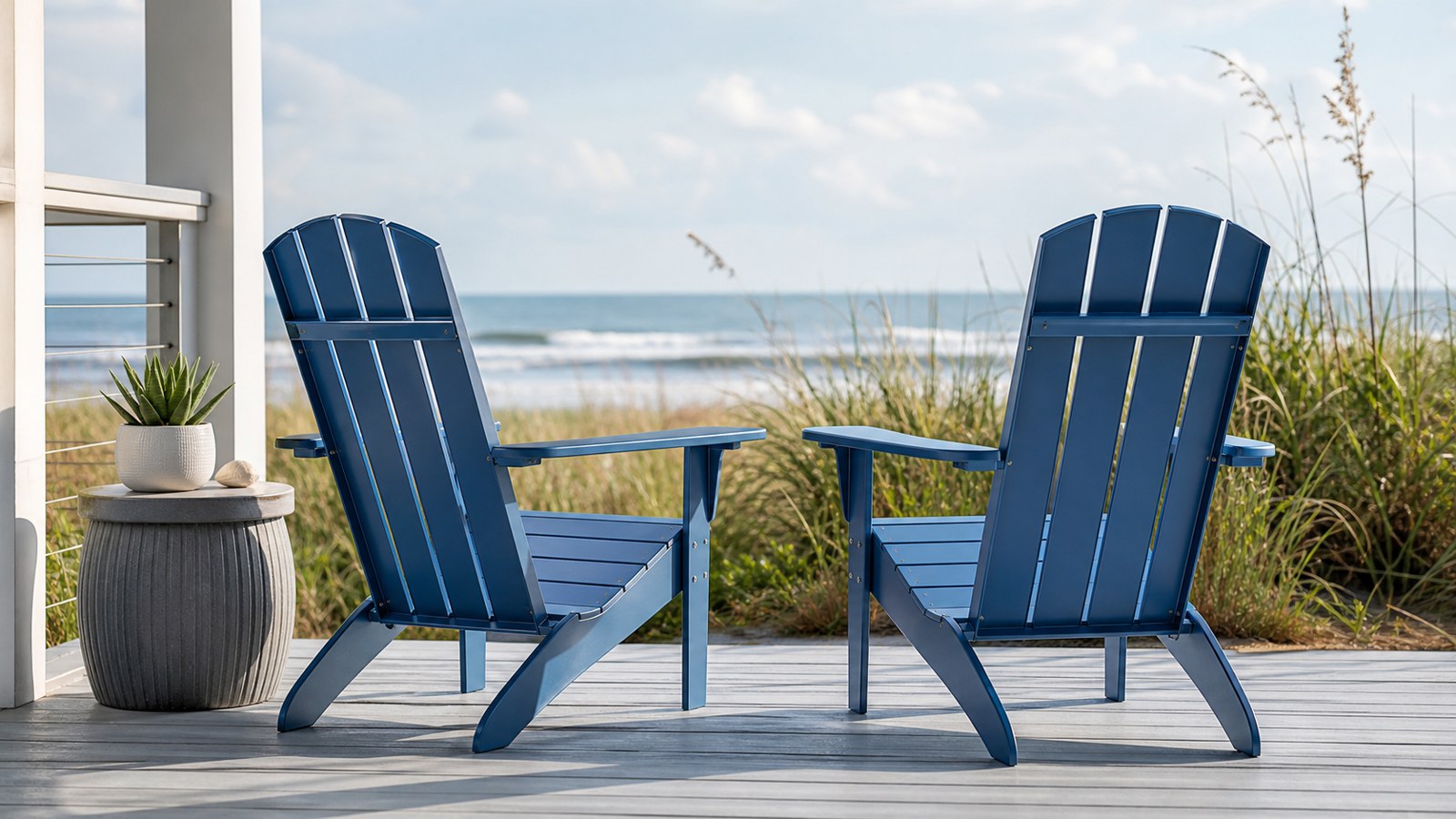
Few outdoor furniture pieces capture timeless American leisure quite like the Adirondack chair. Its iconic reclined design, broad arms, and easy charm invite endless hours of comfort. When made from metal, the Adirondack chair evolves from a simple backyard staple into a blend of strength, elegance, and low-maintenance practicality. Yet, even the toughest metal chair benefits from a touch of care. Proper maintenance and cleaning not only preserve its shine but also extend its life through countless sunny afternoons and cozy evening fires. This comprehensive guide explores everything you need to know about maintaining and cleaning metal Adirondack chairs—from identifying your chair’s specific metal type to understanding how to prevent rust, preserve finishes, and keep them looking stunning year-round.
A: Skip chlorine bleach—it can attack coatings and hardware. Use mild soap; escalate to diluted vinegar or IPA as needed, then rinse.
A: Sand to clean metal, zinc/epoxy prime, color-match enamel. Seal edges; consider pro re-powder for large areas.
A: Yes, a self-etch primer grips aluminum; then touch-up paint. Keep the area clean and dry before painting.
A: Hand washing is best. If you must, use low pressure, 40° tip, 12–18" away—never needle jets on seams or edges.
A: Rinse after heavy splash/salt days, wash every 1–2 weeks, inspect hardware monthly.
A: Soak with warm soapy water, wipe gently, then rinse—acids can etch if left to bake in sun.
A: A dab of mineral spirits on microfiber, gentle rub, then wash and rinse. Always test first.
A: Yes—non-abrasive automotive polymer/carnauba sealants add gloss and make future cleanups faster.
A: Clean and dry first, use breathable covers, elevate slightly for airflow, and avoid sprinkler overspray zones.
A: Use correct torque and medium threadlocker where appropriate; replace worn glides that create wobble.
1. Understanding the Metal Behind the Chair
Before you grab the sponge or garden hose, it’s crucial to understand what type of metal your Adirondack chair is made from. Metal chairs vary widely in composition and finish, and that determines how you should care for them.
Aluminum Adirondack Chairs
Aluminum chairs are lightweight, rust-resistant, and often powder-coated for extra durability. They’re ideal for humid or coastal areas because they resist corrosion naturally. However, their surface finish can fade or dull without occasional cleaning and UV protection.
Steel Adirondack Chairs
Steel Adirondack chairs are the strong, stoic members of the family—sturdy, substantial, and often heavier. Steel requires more protection since it’s prone to rust if left uncoated or if its paint or powder coating chips away. Regular inspection and minor touch-ups help preserve its lifespan.
Wrought Iron Adirondack Chairs
Wrought iron brings an old-world sophistication and incredible durability. It’s heavy and can withstand strong winds, but it’s also vulnerable to rust in wet or salty environments. Proper sealing and cleaning are essential to prevent corrosion.
Knowing your chair’s metal type shapes how you’ll clean, protect, and restore it throughout its years of service.
2. The Importance of Regular Maintenance
Metal Adirondack chairs are often sold as “low-maintenance,” but that doesn’t mean “no maintenance.” Like any outdoor furniture, exposure to rain, sun, pollen, and salt air can take its toll. Regular care ensures your investment stays as beautiful and comfortable as the day you brought it home. A simple seasonal routine can make all the difference. Think of maintenance as a quick ritual: check for chips or rust, wipe off debris, tighten screws, and refresh protective coatings when needed. These small habits will prevent larger problems, such as peeling paint or spreading rust, from developing over time.
3. The Right Cleaning Routine
A proper cleaning schedule depends on how often your chairs are exposed to the elements. If they’re on an open deck or near a pool, aim for monthly cleaning. If under a covered patio, every few months may suffice. The key is consistency.
Step 1: Rinse Away Loose Debris
Start by rinsing your chairs with a garden hose to remove dust, leaves, and grit. This prevents abrasive particles from scratching the surface during scrubbing.
Step 2: Use Mild Soap and Water
Mix warm water with a few drops of gentle dish soap. Avoid harsh cleaners, bleach, or ammonia, which can damage coatings and dull finishes. Using a soft sponge or microfiber cloth, gently wash each surface, including the undersides and between slats.
Step 3: Tackle Stubborn Spots
For tough grime or dried-on residue, dip a soft-bristled brush into the soapy water and scrub gently. Pay close attention to crevices, screw heads, and joints where dirt loves to hide.
Step 4: Rinse and Dry Thoroughly
After washing, rinse the chair thoroughly with clean water to remove all soap residue. Then, dry it completely with a soft towel to prevent water spots or rust in micro-scratches.
A little care after each cleaning—like applying a light coat of wax or protective spray—can significantly enhance the finish’s longevity.
4. Preventing Rust and Corrosion
Even the most durable metal chairs can fall victim to rust if neglected. Preventing rust begins with proactive maintenance and a few strategic habits. Keep your chairs clean and dry whenever possible. If you live in a coastal area, salt-laden air can accelerate corrosion—so rinse your chairs frequently with fresh water to wash away salt particles. For steel or iron chairs, apply a rust-inhibiting primer or clear sealant annually to create a barrier against moisture. Powder-coated finishes are your best defense. If you notice a chip or scratch exposing bare metal, act quickly. Lightly sand the affected area, wipe it clean, and touch it up with matching outdoor metal paint. The faster you address minor damage, the longer your chairs will resist rust.
5. Seasonal Storage and Weatherproofing
While metal Adirondack chairs are designed to withstand outdoor living, storing them smartly during harsh weather helps preserve their beauty. Winter snow, salty coastal fog, and relentless sun can all wear down protective coatings over time.
If possible, store your chairs in a covered area like a garage, shed, or screened porch during the off-season. When space is limited, use weatherproof furniture covers made of breathable fabric to keep out moisture while allowing ventilation. Avoid plastic tarps that can trap condensation and promote rust underneath.
Before storing, clean your chairs thoroughly and ensure they’re completely dry. Consider applying a thin coat of car wax or furniture-grade metal polish to create a protective layer that repels water and resists oxidation.
6. The Role of Protective Coatings
Protective coatings are a metal chair’s armor. Whether it’s powder coating, paint, or sealant, these finishes form the first line of defense against moisture, sunlight, and wear.
Powder-coated chairs offer the most durable and attractive protection. This electrostatic process fuses color pigments to the metal, creating a hard shell that resists peeling and fading. However, even powder coating can wear over time, especially in areas where arms or backs experience constant contact.
An annual inspection and touch-up keep coatings intact. If your chair has a glossy or satin finish, a spray of clear enamel every year or two can rejuvenate its shine. For matte finishes, use a protective wax or polish formulated for outdoor metals.
Avoid applying thick layers or mixing incompatible coatings—always follow the manufacturer’s recommendations to maintain adhesion and uniformity.
7. Removing Rust and Restoring Shine
If rust has already appeared, don’t worry—it’s treatable with a few easy steps. Addressing it early can restore your chair to its former glory without costly refinishing.
Step 1: Identify the Affected Area
Inspect carefully for orange or brown discoloration, bubbling paint, or rough spots. Light surface rust often sits on top of the coating, while deeper rust penetrates the metal.
Step 2: Gently Sand the Rust Away
Use fine-grit sandpaper or a wire brush to remove the rusted area. Work gently to avoid scratching healthy metal around it. Wipe away debris with a damp cloth.
Step 3: Clean and Dry
Once sanded, clean the area with mild soap and water, then dry it completely. This prevents residual moisture from restarting the rusting process.
Step 4: Prime and Paint
Apply a rust-inhibiting primer specifically designed for metal surfaces. When dry, cover it with outdoor-grade paint that matches your chair’s color. Finish with a clear topcoat for extra protection. With this method, your metal Adirondack chair can look nearly brand new and remain protected for years to come.
8. Managing Discoloration and Fading
Prolonged sun exposure can cause metal finishes to fade, chalk, or lose their original luster. To combat this, consider applying a UV-protective clear coat once a year. These coatings block ultraviolet rays and maintain the richness of your chair’s color.
If fading has already occurred, lightly buffing the surface with a polishing compound designed for metal can help restore shine. Avoid abrasive tools or pads that might scratch or dull the coating. For aluminum chairs, use a non-acidic polish; for steel or iron, always follow up with a protective wax.
Placing chairs under partial shade or near an umbrella can also help reduce direct UV exposure while keeping seating areas cooler and more comfortable.
9. Maintaining Moving Parts and Hardware
Even the most stationary Adirondack chair has small moving or joinable parts—screws, bolts, or hinge joints in folding versions. Over time, these can loosen or corrode, affecting the chair’s comfort and stability.
Every few months, check for loose hardware and tighten where needed. Use stainless steel or galvanized replacements if any screws or bolts become rusted. Apply a dab of anti-seize lubricant to moving parts like folding hinges to ensure smooth operation.
Never ignore wobbly arms or legs—small instability can quickly become structural damage, especially in heavy steel models. Regular inspection keeps your chair both safe and sturdy.
10. Eco-Friendly Cleaning Alternatives
For those who prefer natural cleaning solutions, you can maintain your metal Adirondack chairs effectively with eco-friendly products. A mixture of white vinegar and water cuts through grime and mineral buildup, while baking soda paste can gently polish dull spots.
To remove mildew, mix vinegar with a bit of hydrogen peroxide for extra cleaning power. Always rinse thoroughly afterward to prevent chemical residue. These natural alternatives are safe for most coatings and environmentally gentle for outdoor use.
Just remember to test any cleaning solution on a small, hidden area first—especially if your chairs have specialized finishes or colored coatings.
11. Annual Deep Cleaning Ritual
Once a year, treat your metal Adirondack chairs to a full spa day—a deep cleaning and inspection to keep them in top condition. Begin with a complete wash and dry. Then, carefully check every joint, weld, and surface for damage, flaking, or rust. Touch up paint as needed, lubricate hardware, and polish the finish for an extra shine. If your chairs have cushions or fabric accessories, clean those separately according to their care instructions. Reassemble, and you’ll have furniture that looks practically showroom-new—ready for another season of lounging and laughter.
12. Troubleshooting Common Problems
Even with good care, outdoor metal chairs can encounter a few familiar challenges. Fortunately, most have easy fixes:
- Squeaky joints: Apply a bit of silicone-based lubricant to moving parts.
- Water spots: Buff gently with a microfiber cloth and a small amount of car polish.
- Powder coating chips: Touch up immediately with outdoor metal paint in a matching color.
- Rust stains on patio surfaces: Use a rust remover or lemon juice and baking soda paste to lift stains from concrete or pavers.
Addressing these small issues promptly keeps your chairs looking clean, polished, and inviting.
13. Enhancing Longevity with Smart Placement
Where you place your metal Adirondack chairs can significantly affect how long they last. Direct sunlight can fade coatings faster, while constant exposure to sprinklers, pool splash, or salty breezes can speed corrosion.
Position chairs in shaded or partially covered areas when possible. If you live in a humid climate, allow airflow underneath and around the chairs to prevent condensation buildup. Small risers or patio mats can help keep chair legs off wet surfaces after rain.
Strategic placement not only preserves your furniture but also enhances your comfort—letting you enjoy your backyard haven without overheating or glare.
14. Styling Meets Preservation
Maintenance doesn’t mean compromising on style. In fact, a well-cared-for metal Adirondack chair becomes part of your outdoor design aesthetic. Brightly painted finishes can make bold statements, while brushed aluminum or matte black options offer sleek modern appeal. By keeping them clean and well-maintained, you maintain both their structural integrity and their design appeal. Adding weather-resistant cushions or throws can complement their look while providing extra comfort. Just remember to store textiles separately when not in use to prevent trapped moisture against metal surfaces. Your chairs should look as good as they feel—beautiful extensions of your personal outdoor retreat.
15. Final Thoughts: A Legacy of Comfort and Care
A metal Adirondack chair isn’t just a seat—it’s a statement of relaxation and craftsmanship. From lakeside cottages to modern patios, these chairs carry a legacy of easy living and timeless design. Maintaining them ensures that legacy continues year after year.
With simple, consistent care—regular cleaning, protective coatings, and mindful storage—you can enjoy your metal Adirondack chairs for decades. They’ll weather storms, sun, and seasons with grace, becoming part of the memories you create outdoors. The little time you spend maintaining them pays back tenfold in lasting beauty and comfort.
So the next time you settle into that cool, contoured seat with a sunset drink in hand, you’ll know you’re sitting in something built to last—both because of its design and because of your thoughtful care.