
Two Outdoor Seating Jobs, Two Very Different Chairs
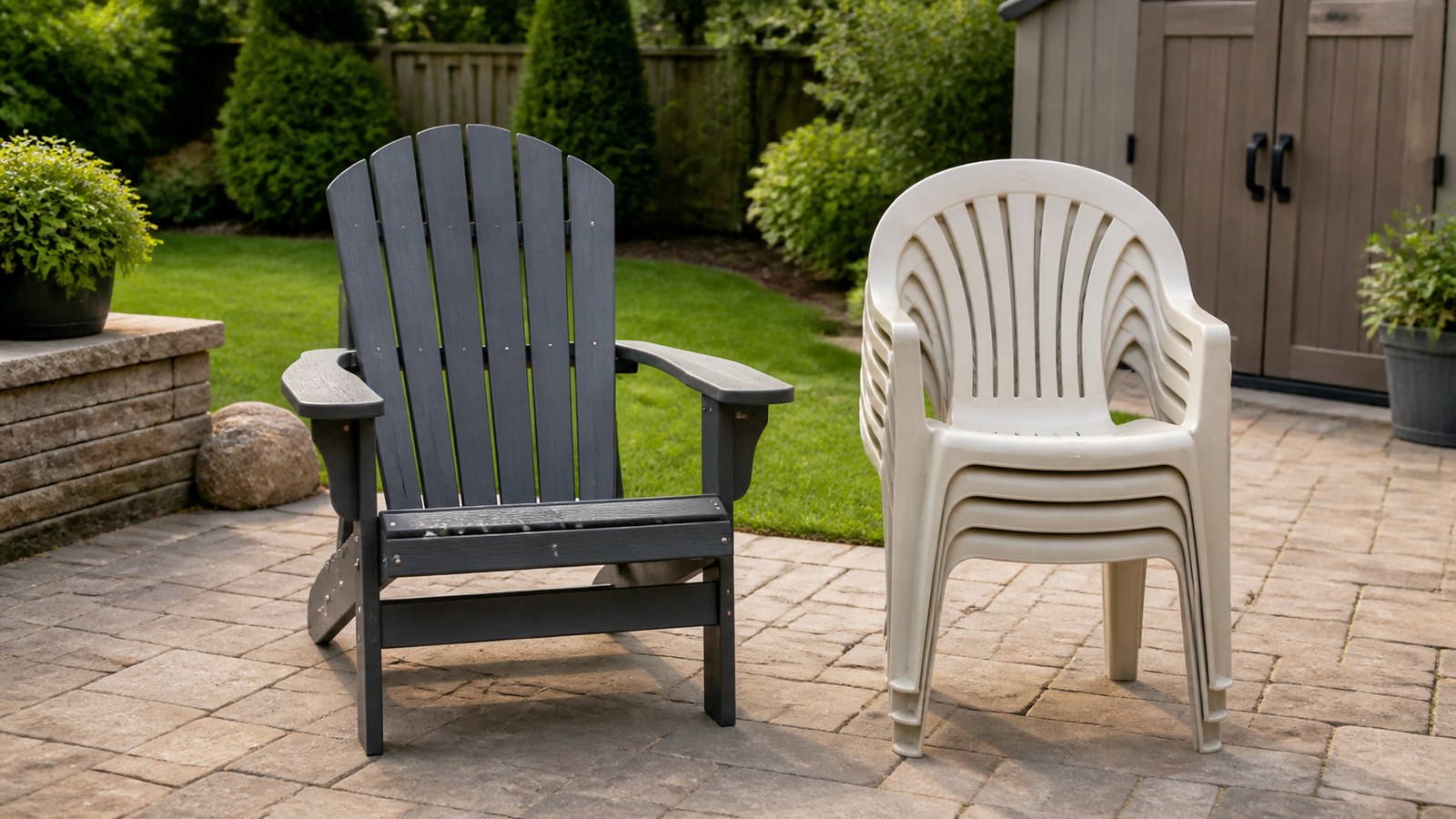
Adirondack chairs and plastic stackable chairs both belong outdoors, but they solve different problems. The Adirondack chair is about comfort, place, and lingering. The plastic stackable chair is about volume, storage, quick setup, and casual utility. Choosing between them is not only a matter of price. It is a question of how the space will be used, how long people will sit, how often chairs must move, and what impression the furniture should make. For many homes, the best answer is not one or the other, but knowing which chair belongs in which zone.
A: Start with the main use case, then judge comfort, placement, and maintenance against that use.
A: Both matter, because material controls weather performance while shape controls how the chair feels and looks.
A: No. They are excellent for relaxed sitting, but some users prefer higher, adjustable, or more upright designs.
A: Usually not. Decks, lawns, porches, pools, and storage areas each create different demands.
A: Prioritize value, which includes expected lifespan, repairability, cleaning, and how often the chair will be used.
A: They can soften contact points, but they cannot fully correct poor seat height, depth, or back angle.
A: Weight affects stability, moving, storage, and wind performance, so it matters more than many buyers expect.
A: A color tied to the house, landscape, or existing outdoor palette is usually safest.
A: Measure the space, consider the climate, and test or study dimensions before buying.
A: Choose another style when adjustability, stacking, upright dining posture, or compact storage matters more than Adirondack lounging.
Start With the Real Use Case
The best way to judge adirondack chairs vs. plastic stackable chairs: which works best? is to start with how the chair will be used, not how it looks in isolation. Outdoor seating has to serve habits: morning coffee, afternoon shade, evening conversation, quick guest overflow, or long quiet reading. A chair that supports the main habit of the space will feel more successful than one chosen only because it photographs well.
For this topic, the practical question is where utility comparison meets daily outdoor life. Some owners need a chair that stays in one place and creates a destination. Others need furniture that moves, stores, cleans, or adjusts quickly. The right answer becomes much clearer when the use case is specific.
It also helps to think about who will use the chair most often. A couple designing a quiet porch may prioritize comfort and appearance. A busy family may care more about cleanability, storage, and durability. A rental owner may need a choice that survives many different guests without constant explanation.
Comfort Is More Than Softness
Comfort in adirondack chairs vs. plastic stackable chairs: which works best? comes from posture, support, reach, and ease of entry. Adirondack chairs are known for a reclined shape, but that shape can feel wonderful or awkward depending on seat height, back angle, arm position, and body size. The most comfortable option is the one that lets a person settle naturally and stand without strain.
Soft cushions can help, but they do not fix every fit problem. A chair that is too low will still be too low. A back that ends in the wrong place will still miss the shoulders. Good comfort starts with the frame, then uses cushions, pillows, or footrests only where they add something useful.
Style Should Support the Setting
Style decisions around utility comparison should begin with the house and landscape. A wooded cabin, a cottage porch, a modern deck, and a poolside patio all ask different things from the same basic chair shape. Color, material, and scale can make the chair blend in, stand out, or quietly connect separate outdoor zones.
The Adirondack silhouette is strong enough to anchor a space, so it usually does not need heavy decoration. A clean finish, good spacing, and a clear orientation toward a view or activity often do more than a pile of accessories. When the chair has a reason to be there, the whole setting feels calmer.
For comparison topics, style also affects expectations. A chair that looks casual may be forgiven for simple utility, while a chair that looks premium is judged more harshly for comfort and upkeep. Appearance sets a promise that the seating experience has to keep.
That promise should match the rest of the outdoor room. With utility comparison, a mismatch between chair style and setting can make even a technically good chair feel wrong. The better approach is to let the chair reinforce what the space already wants to be: relaxed, polished, practical, playful, compact, or quietly durable.
Materials and Weather Exposure
Material choice shapes long-term satisfaction with adirondack chairs vs. plastic stackable chairs: which works best?. Wood offers warmth and tradition, but it needs periodic attention. Recycled plastic and resin can handle moisture and cleaning well, but quality varies by thickness, finish, and hardware. Metal or hybrid pieces may bring strength, though heat and corrosion have to be considered.
Sun, rain, humidity, wind, and storage conditions all change the equation. A chair in a covered porch lives a gentler life than one beside a pool or on an exposed dock. The harsher the location, the more important it is to choose materials and fasteners that match the climate.
Maintenance should be realistic. If a homeowner enjoys seasonal refinishing, wood may be deeply satisfying. If the chair must survive guest turnover or long stretches without attention, a lower-maintenance material may be the better fit.
Placement Changes the Experience
Placement can make utility comparison feel successful or frustrating. Chairs need room for the reclined back, the extended arms, and the path people take around them. A comfortable chair placed in a tight traffic lane will feel inconvenient even if the seat itself is excellent.
Orientation matters too. Facing a view supports reflection, while angling chairs toward each other supports conversation. Fire-pit seating needs generous spacing. Deck seating needs door clearance. Poolside seating needs washable surfaces and enough distance from splashing.
Cost, Value, and Replacement
The cheapest option in adirondack chairs vs. plastic stackable chairs: which works best? is not always the best value, and the most expensive option is not automatically the smartest. Value comes from how often the chair is used, how long it lasts, how much maintenance it requires, and whether people actually enjoy sitting in it.
Replacement planning is part of the cost picture. Chairs with available parts, standard hardware, or durable molded construction may stay useful longer. Chairs that cannot be repaired or matched later may become more expensive when one piece fails.
For homeowners, value also includes how the outdoor area feels. A chair that makes a porch more inviting or a patio more used can be worth more than a cheaper option that spends most of the season stacked, covered, or ignored.
Common Mistakes to Avoid
One common mistake is treating utility comparison as a single feature instead of a set of tradeoffs. A chair can be attractive but hard to move, portable but less stable, supportive but bulky, or durable but visually flat. The buyer has to decide which tradeoffs fit the space.
Another mistake is ignoring the surface under the chair. Rockers need smooth stable flooring, low chairs need enough room for legs, covers need drainage, and folding chairs need a storage spot that does not stay damp. The ground, deck, or porch is part of the chair’s performance.
Finally, many people undercount maintenance. Outdoor seating looks effortless only when someone has planned for cleaning, tightening, drying, covering, or storage. A little routine care preserves both comfort and appearance.
A quieter mistake is choosing utility comparison for a single ideal day. Outdoor furniture has to work after rain, during pollen season, when guests arrive, and when the owner is too busy for elaborate upkeep. The strongest choice remains useful under ordinary pressure.
How to Make the Final Choice
The final choice should match the main reason the chair is being purchased. If utility comparison is about visual presence, prioritize proportion, finish, and placement. If it is about comfort, test posture and exit height. If it is about storage or climate, focus on folding behavior, materials, and drying.
A short trial can reveal more than a long specification list. Sit in the chair, reach for the arms, imagine standing up with a drink nearby, and picture the chair after a storm or a full season of sun. The right option should make those ordinary moments feel easy.
Reading Reviews With a Practical Eye
Reviews for adirondack chairs vs. plastic stackable chairs: which works best? are most useful when they describe real settings. A comment from someone using chairs on a windy dock may matter less to a covered-porch owner, while a rental host’s durability notes may be extremely valuable for high-traffic use. Look for details about assembly, wobble, fading, comfort after longer sits, and how the chair behaves after rain.
Pay attention to what reviewers leave out as well. A chair with many compliments about appearance but few mentions of comfort may be more decorative than restful. A chair praised for easy storage may not feel substantial enough for a permanent seating area. The pattern of comments often matters more than one dramatic praise or complaint.
Photos from owners can help reveal scale and finish in ordinary light. Catalog images are polished, but customer photos show how chairs look near real siding, grass, concrete, cushions, and everyday clutter. That context can prevent surprises.
Maintenance Habits That Keep the Choice Working
The right maintenance habit depends on utility comparison, but every outdoor chair benefits from a simple routine. Wiping arms, clearing debris from slats, checking hardware, and letting surfaces dry fully can prevent small issues from becoming visible wear. These habits are especially important when chairs sit near trees, pools, sprinklers, sand, or heavy shade.
Covers, storage, and cleaning products should match the material. Wood may need breathable protection and periodic finish work. Recycled plastic may need only soap, water, and occasional hardware checks. Fabric accessories should dry completely before storage. Treating every material the same way often creates avoidable problems.
A chair that is easy to maintain is more likely to stay in use. Owners tend to avoid furniture that feels fussy, fragile, or inconvenient after the first season. Practical upkeep protects both the investment and the pleasure of sitting outdoors.
The best routine is short enough to repeat. A five-minute seasonal check, a quick rinse after pollen, and a dry storage area can do more for long-term satisfaction than a complicated maintenance plan nobody follows.
Matching the Chair to Different Users
Different users experience adirondack chairs vs. plastic stackable chairs: which works best? differently. Tall adults, children, older guests, renters, frequent entertainers, and people who like to nap outdoors may all prefer different features. A chair that delights one person may frustrate another if the seat height, recline, arm reach, or movement pattern does not fit.
Mixed seating can solve that problem gracefully. A homeowner does not need every outdoor chair to be identical. Pairing Adirondack chairs with benches, upright chairs, ottomans, or adjustable loungers can make the space more welcoming while keeping a coherent style.
The Bottom Line
Adirondack Chairs vs. Plastic Stackable Chairs: Which Works Best? is ultimately about matching a chair to a setting and a pattern of use. Adirondack chairs are popular because they bring recognizable comfort and outdoor identity, but the details decide whether they work beautifully or merely look familiar.
When the proportions, materials, placement, and maintenance plan align, the chair becomes more than seating. It becomes the place people choose first, return to often, and remember when they think about the outdoor space.
A confident decision usually comes from ranking the tradeoffs before shopping. Comfort, storage, appearance, weather resistance, cost, and maintenance are all valid goals, but they rarely carry equal weight. Once those priorities are clear, the better chair becomes much easier to recognize. The strongest choice should feel sensible on ordinary days, not only impressive in a product photograph or showroom display. Real outdoor life is the final test.


