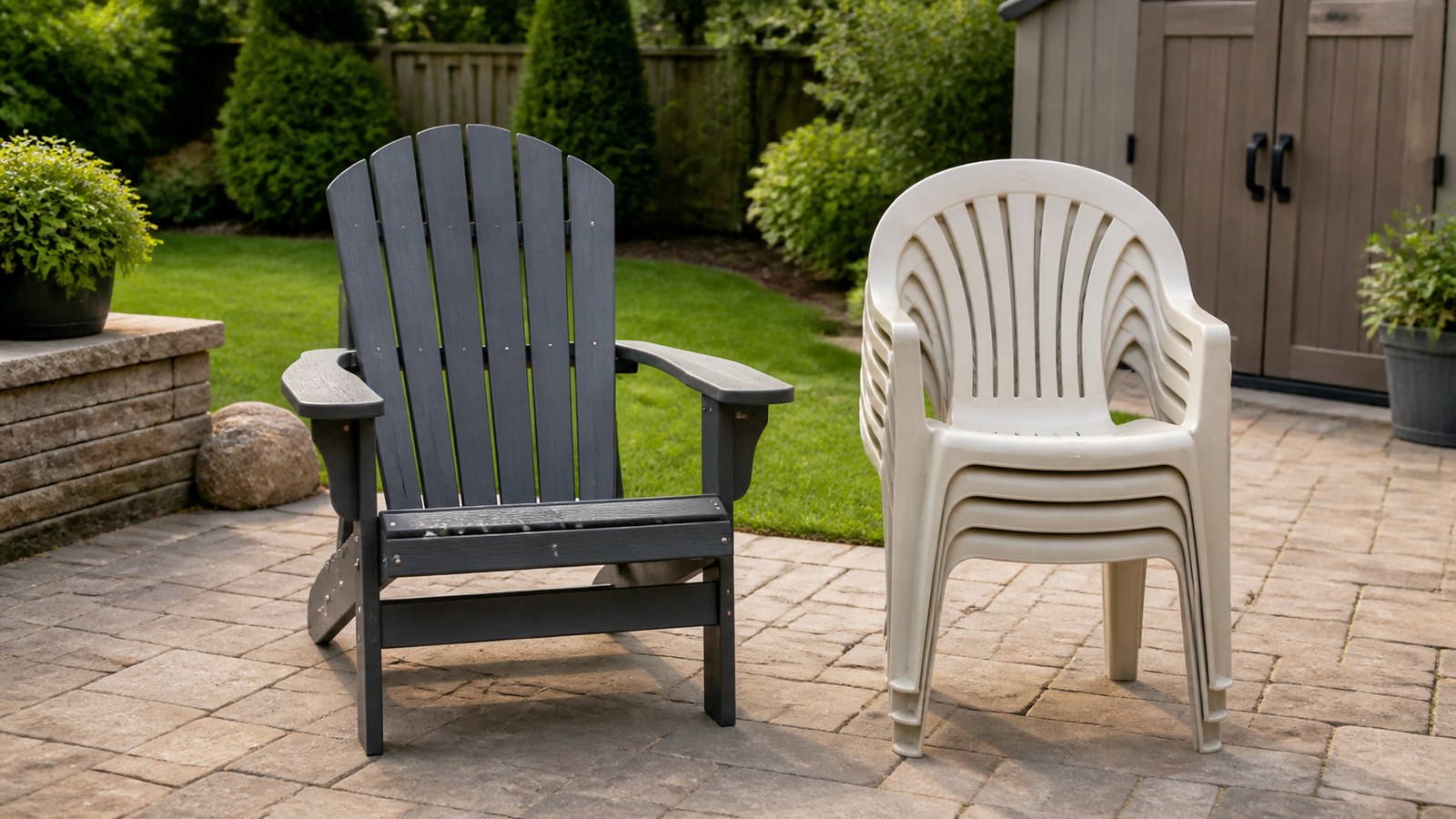
Adirondack Chairs vs. Hammocks: Best Way to Relax Outdoors
Outdoor living is all about creating spaces where people can unwind, enjoy nature, and escape the rush of daily life. When it comes to ultimate relaxation, two contenders frequently compete for attention: the iconic Adirondack chair and the timeless hammock. Both promise comfort and leisure but deliver them in entirely different ways. The Adirondack chair, with its sturdy design and rustic charm, has long been associated with porches, gardens, and lakeside cabins. The hammock, suspended gracefully between two trees or on a stand, evokes images of gentle swaying naps and carefree afternoons. The question for many homeowners and outdoor enthusiasts becomes which option truly offers the best way to relax outdoors. The answer depends not only on design and comfort but also on lifestyle, space, and long-term value.
A: Adirondack—wide arms, stable posture, easy eye line.
A: Hammock—pressure-free cradle and gentle sway.
A: Use a hammock stand or go Adirondack; stands need more space than a chair.
A: A compact/folding Adirondack; consider a hanging hammock chair only with rated anchors.
A: Adirondack—arm leverage and predictable seat height help with standing.
A: Skip spreader bars, hang at ~30°, sit diagonally, and keep the seat about chair height.
A: HDPE/teak Adirondacks can stay out; store hammocks dry to avoid mildew and odor.
A: Many Adirondacks rate 250–350+ lb; hammocks/stands vary widely—check the manufacturer.
A: Yes—Adirondacks around the fire, hammock in the shade; perfect zone planning.
A: Conversation & cocktails → Adirondack. Daydream & doze → Hammock.
Origins and Timeless Appeal
The Adirondack chair’s story begins in the early 1900s when Thomas Lee, while vacationing in the Adirondack Mountains of New York, sought to design a chair that could handle uneven terrain while providing outstanding comfort. His invention, originally called the Westport chair, was later refined into the Adirondack design we recognize today, with its sloped seat, high back, and broad arms. Over time, the chair became a symbol of North American leisure culture, spreading from mountain cabins to suburban patios and beachside retreats. Its association with tradition and relaxation has helped secure its iconic status.
Hammocks have an even longer and more global history. They were first developed in Central and South America, used by indigenous people for sleeping, safety, and comfort in tropical climates. The design later spread to Europe and beyond, becoming popular among sailors for its practicality aboard ships. Today, hammocks are celebrated worldwide for their versatility, simplicity, and ability to provide gentle, swaying rest. While Adirondacks represent rustic North American tradition, hammocks embody a broader cultural embrace of rest and adaptability.
The Visual Experience
Adirondack chairs offer a distinct look that anchors outdoor spaces with permanence and style. Their wide-armed, sloping design creates a sense of grounded elegance, instantly recognizable and highly decorative. Available in natural woods, painted finishes, or durable composites, they blend seamlessly into gardens, patios, and porches. Their visual weight makes them feel like fixtures that belong to the landscape, signaling comfort and tradition to anyone who sees them. Hammocks, on the other hand, provide a lighter, more whimsical aesthetic. Suspended between trees, posts, or stands, they appear effortless and carefree, blending function with a sense of playfulness. Their fabrics and ropes create a natural, organic look, while bright patterns and colors add vibrancy to outdoor spaces. Hammocks can transform a simple yard into a tropical escape, symbolizing adventure, freedom, and tranquility. Adirondacks visually root a space, while hammocks visually free it.
Comfort and Relaxation
Adirondack chairs are designed for ergonomic comfort, with reclined seating that reduces pressure on the spine and wide arms that support both rest and function. Many versions include contoured seats, making them excellent for long conversations, reading, or enjoying drinks. They provide structure and support that feels secure, which is particularly valued by people who prefer stable seating. The design encourages extended relaxation without sacrificing posture or utility.
Hammocks, by contrast, offer a unique comfort experience centered around weightlessness. Lying in a hammock distributes body weight evenly, reducing pressure points and creating a feeling of floating. This can be especially soothing for stress relief, napping, or casual lounging. However, hammocks are less practical for tasks like eating, reading for long stretches, or socializing in groups. While Adirondacks excel in functional comfort, hammocks dominate in dreamy relaxation and restfulness.
Durability and Longevity
When it comes to lasting quality, Adirondack chairs often lead the way. Crafted from cedar, teak, or poly lumber, they are built to withstand years of outdoor exposure. Wooden versions require care such as sealing or staining, but when maintained, they can last decades. Poly lumber models are nearly maintenance-free, resisting rot, insects, and fading. The sturdiness of the design also means Adirondacks are less likely to tip or wear out quickly.
Hammocks vary widely in durability depending on materials. High-quality hammocks made of weather-resistant fabrics and strong ropes or chains can last many years, especially if stored properly during harsh seasons. However, cheaper models made from thin fabric or untreated ropes can fray or tear within a few years. Hammocks are also more vulnerable to the elements, particularly rain, sun exposure, and wind. While Adirondacks provide reliable permanence, hammocks require more care and replacement over time.
Portability and Storage
Hammocks shine in portability. Most models can be easily rolled, folded, or packed away, making them excellent for camping, traveling, or seasonal use. Hammock stands are bulkier but still moveable, allowing flexibility in outdoor arrangements. For people who want furniture that adapts to different settings, hammocks provide unmatched mobility. Adirondack chairs, on the other hand, are heavy and intended as permanent fixtures. They can be moved but require effort, and they occupy significant storage space if brought indoors. Foldable Adirondack models exist but remain bulkier than hammocks. In terms of mobility, hammocks clearly dominate, while Adirondacks focus on anchoring and defining a space.
Price and Value
Adirondack chairs are generally a higher upfront investment. Basic versions made of plastic start around $100, while quality wooden or composite chairs typically cost between $200 and $600. Luxury handcrafted versions can exceed $1,000. Their durability and timeless design, however, make them long-term investments that add value to outdoor living.
Hammocks are often more affordable. Entry-level models cost as little as $30 to $100, while high-quality versions with durable fabrics and sturdy stands range from $200 to $500. Even top-tier hammocks rarely reach the cost of luxury Adirondacks. While they may require replacement sooner, their affordability and versatility make them accessible to nearly every budget. Adirondacks deliver enduring value, while hammocks deliver flexible affordability.
Maintenance Demands
Adirondack chairs, especially wooden models, require seasonal maintenance like staining, sealing, or repainting to maintain their appearance and structural integrity. Composite Adirondacks, however, reduce upkeep dramatically, needing only occasional cleaning. Their resilience to weather makes them highly attractive for homeowners seeking low-maintenance solutions. Hammocks require consistent care to maximize their lifespan. Fabric should be kept dry to prevent mildew, and ropes or chains need periodic inspection for wear. Hammocks exposed to continuous sun can fade or weaken, so many owners bring them indoors when not in use. Their maintenance is relatively simple but frequent, whereas Adirondacks demand more involved but less frequent care. Both require attention, but in different ways.
Lifestyle Fit
Lifestyle preferences heavily influence which option is better. Adirondack chairs are ideal for homeowners who want structured, reliable, and stylish seating for patios, porches, or garden retreats. They are perfect for social gatherings, reading, or enjoying meals and drinks outdoors. Their presence enhances spaces meant for interaction and everyday use. Hammocks fit lifestyles that prioritize relaxation, napping, and a sense of escape. They are better suited for quiet afternoons, vacations, or creating a tropical vibe in any backyard. Their playful design appeals to those who embrace spontaneity and freedom. Adirondacks work well for structured leisure, while hammocks excel in personal escape and casual relaxation.
Environmental Impact
Adirondack chairs built from responsibly sourced wood or recycled poly lumber are eco-friendly, reducing waste by offering decades of use. Their longevity makes them a sustainable choice, particularly composite models that keep plastics out of landfills. Investing in one Adirondack chair can replace the cycle of buying multiple cheaper alternatives over time.
Hammocks, while smaller and lighter, are less eco-consistent. Many are made from synthetic fabrics that wear out more quickly and may not be recyclable. Frequent replacement increases waste. However, eco-conscious hammocks crafted from organic cotton or recycled fibers are available, offering greener options. Overall, Adirondacks tend to have the sustainability edge, though thoughtful hammock purchases can mitigate environmental impact.
Cultural Associations
Adirondack chairs are iconic in North America, symbolizing rustic charm, tradition, and the slower pace of outdoor living. They are staples in lifestyle imagery, frequently appearing in advertisements, tourism promotions, and home design magazines. Their shape instantly communicates relaxation and heritage. Hammocks carry global cultural weight as emblems of freedom, escape, and rest. They are associated with tropical vacations, adventurous camping trips, and carefree afternoons. In popular culture, hammocks represent naps under palm trees or leisurely days at sea. Adirondacks embody tradition, while hammocks embody wanderlust and spontaneity.
Choosing the Best Fit
The choice between Adirondack chairs and hammocks ultimately depends on how you picture your outdoor lifestyle. If you value stable seating for social gatherings, want furniture that defines your space, and see your outdoor area as an extension of your home, Adirondacks are the better fit. They deliver lasting comfort, timeless style, and practical functionality. If, however, you dream of gently swaying in the breeze, taking naps outdoors, or creating a playful, tropical vibe, hammocks offer the experience you seek. They provide unmatched weightless comfort and portability, turning any space into a retreat. Many households find value in owning both, using Adirondacks for everyday function and hammocks for those moments of pure escape.
Final Reflection on Outdoor Relaxation
Adirondack chairs and hammocks each offer unique paths to outdoor comfort. Adirondacks provide grounded elegance, structure, and durability, making them ideal for defined living spaces. Hammocks deliver floating relaxation and flexibility, appealing to those who want freedom and a sense of escape. Both symbolize relaxation, but in very different ways. The best choice is the one that matches your lifestyle and vision of how you want to enjoy the outdoors for years to come.