A Better Outdoor Stay, without a Rating Guarantee
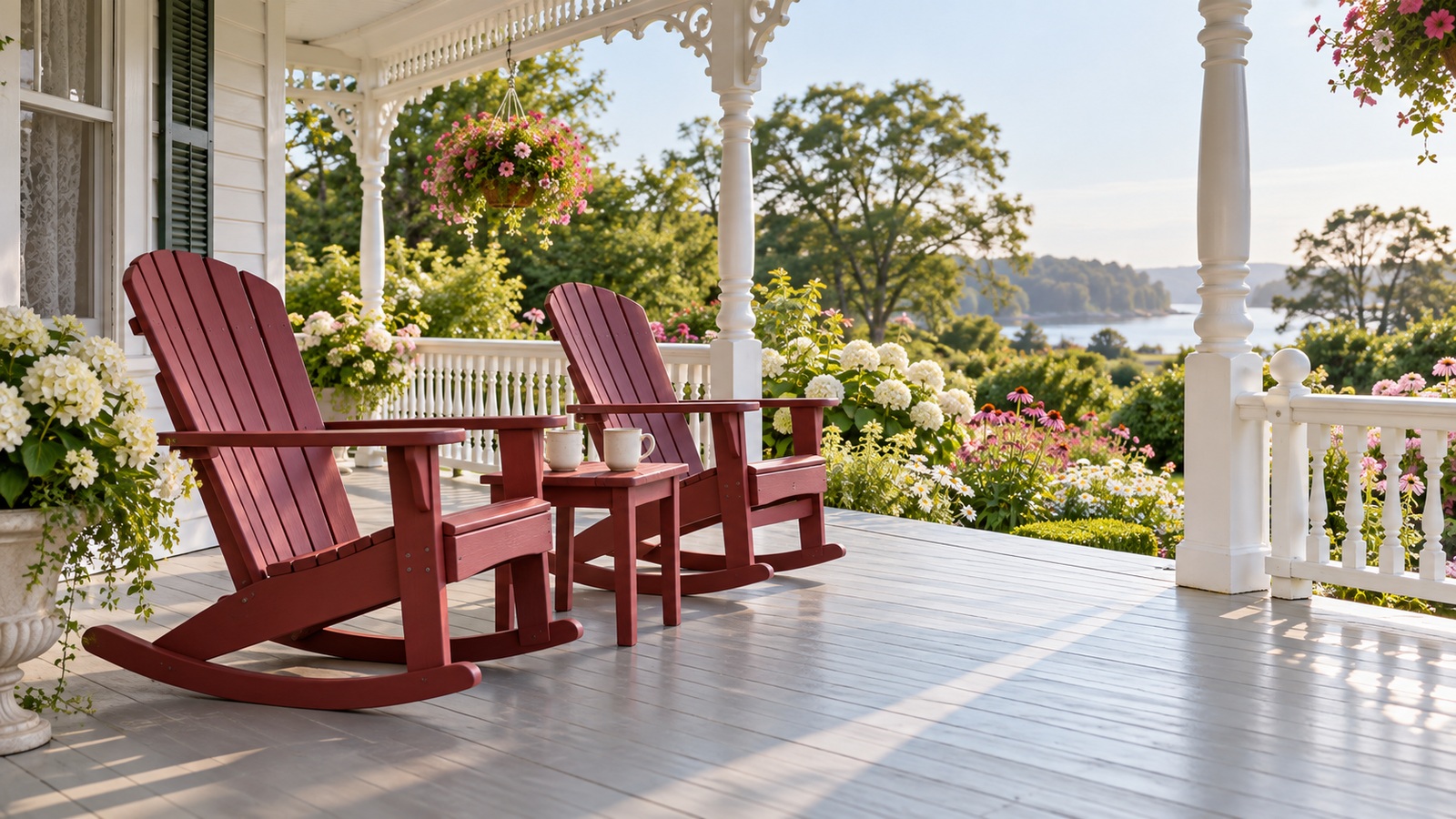
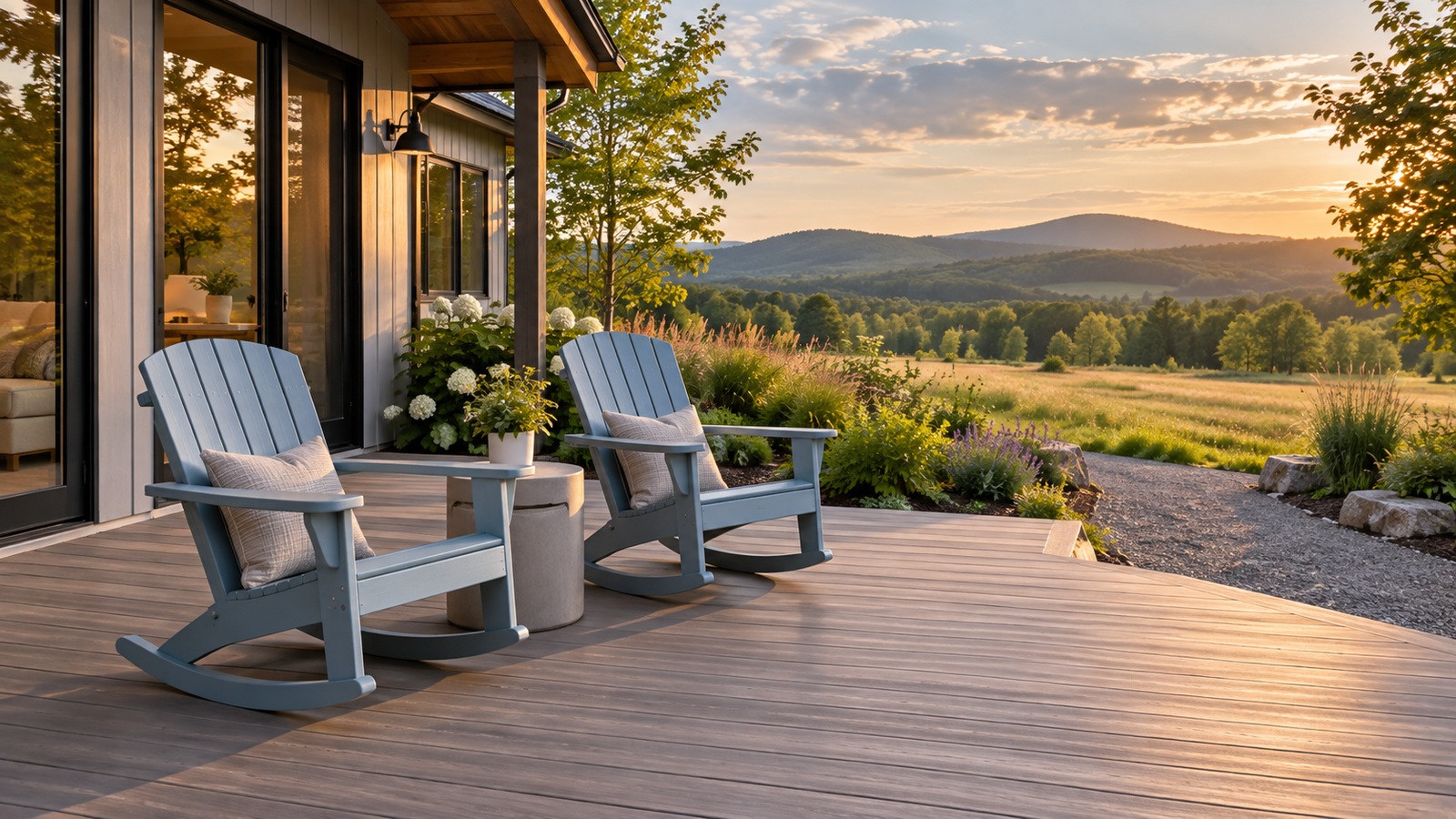
Rocking Adirondack chairs can give guests a comfortable way to enjoy a rental property’s outdoor setting, whether that means morning coffee, an evening conversation, or a pause after exploring the area. They cannot guarantee a higher Airbnb rating. Guests assess the whole stay, including cleanliness, accuracy, communication, and whether promised amenities work as expected. The useful goal is therefore to create an outdoor feature that reliably improves the experience rather than to buy furniture as a shortcut to favorable reviews. Choose suitable chairs and placement, describe the amenity accurately, and give the turnover team a clear routine for keeping it ready. A modest pair that guests can actually use is more valuable than an impressive listing photograph that conceals awkward access or unavailable seating.
A: No. Ratings reflect the whole stay and cannot be assigned to furniture alone.
A: A specific usable outdoor activity at the property.
A: It helps guests understand the amenity they can actually expect.
A: Yes, when other seating and the description make the available choices clear.
A: Condition, suitable cleanliness, placement, accessories, and walking space.
A: Establish local assessment, repair, reporting, and return-to-service responsibilities.
A: No. Many factors influence a stay and a review.
A: Keep ongoing availability and relevant promises accurate.
A: Compare fixed seating or another appropriate location rather than forcing the choice.
A: Guests can consistently use the seating as described, with manageable care and support.
Start with the Guest’s Actual Use
Decide what the rockers add to the property. A deck with a meadow view might invite quiet evening sitting, while a courtyard may support conversation close to the kitchen. The furniture should make that activity easier. If the location has no comfortable outlook or useful access, buying a recognizable chair shape will not solve the underlying problem.
Consider the number of guests the rental normally hosts and the other seating available. Two rockers can be a welcome choice without being the only outdoor seats for a larger group. Avoid suggesting that every guest has equivalent seating when the actual arrangement differs. A mixed area can offer variety while remaining honest about capacity.
Try the experience yourself using the property as a visitor would. Carry a drink from the kitchen, open the door, sit, and reach for the table. Notice lighting, glare, privacy, and the walking route. These observations can reveal a useful improvement before the first guest comment arrives.
Make the Listing Match the Delivered Amenity
Listing images and descriptions set expectations. Show the actual chairs, the normal arrangement, and the setting guests can access. State whether the area is private or shared and whether availability changes seasonally. A carefully framed photograph should still represent a usable space, rather than hide a crowded route or restricted area.
Airbnb’s ground rules for hosts emphasize accurate listing details and other elements of a dependable stay. This does not establish that a particular chair improves ratings. It supports the practical value of describing and delivering the amenity correctly. Keep furniture claims within the experience you can consistently provide.
Give Rocking Motion Enough Room
Rockers need an appropriate floor and clearance for their movement. Check the manufacturer’s guidance and test the actual model on the intended surface. Tables, rails, walls, and other chairs should remain clear during normal use. A photograph of empty seats does not show all the space occupied when someone rocks.
Keep the motion area distinct from the route to the house, steps, or other amenities. Guests are unfamiliar with the property and may carry luggage or move around in low light. Assess the ordinary approach with the furniture present. Where relevant requirements apply, use appropriate local guidance instead of assuming a generic spacing rule establishes compliance.
Offer another seating option when practical. Some guests prefer a fixed chair or a different seat height. A rocker can be a welcome feature without serving every body or preference. Choice may improve the area’s usefulness more than adding another identical chair.
Avoid treating outdoor furniture as a medical amenity. Broad ergonomic or therapeutic promises can overstate what a lounge chair provides. Describe its form, location, and intended sitting experience plainly. Guests can appreciate a comfortable setting without a claim that the chair improves health.
Provide a Useful Table and a Clear Surface
A stable side table can turn an attractive pair into a practical place for coffee or a book. Test the reach from the actual seat and keep the table clear of the runners’ movement. Its surface should be available when guests arrive rather than filled entirely with decoration. An outdoor amenity works better when guests immediately understand how to use it. Choose companion pieces for their purpose and exposure instead of buying every matching accessory. Check how the table works when both seats are occupied. A surface that one guest can reach comfortably may be awkward for the person beside them. If the arrangement is intended for conversation, test that relationship as well as the view. Small placement changes can make a modest area more useful without adding another item to the turnover routine. The furniture should invite ordinary use rather than require guests to rearrange it before settling down.
Build a Turnover Check Around the Whole Area
A guest may move chairs, leave debris, or report a problem after the cleaner has completed indoor work. Include the outdoor seating in the changeover plan. The task should check condition and placement as well as visible cleanliness. A chair that looks tidy can still have an unresolved connection or support issue.
Give the turnover team product-specific care instructions. Wood, manufactured materials, hardware, and cushions may need different methods. Avoid expecting cleaners to invent a routine from a general description such as outdoor-safe. Clear guidance protects the furniture and reduces uncertainty during a tight schedule.
Establish a reporting route for damage or unexpected movement. The person who notices a concern should know whom to contact and whether the chair must be withdrawn from use. Do not leave an uncertain seat available until the next guest complains. Resolve the issue through appropriate support or repair before returning it.
Keep the intended layout easy to restore. A reference image or simple location record can help chairs return with the correct table relationship and walking route. This is especially useful when different cleaners cover the property. The amenity’s reliability depends on the setup at each arrival, not just the day furniture was delivered.
Allow suitable drying time after cleaning when required. Outdoor surfaces and soft goods should not be rushed back into service in an inappropriate condition. If the turnover window cannot support the planned care, adjust the product choice or process. A maintainable amenity is easier to provide consistently.
Plan Support When the Host Is Away
Many rental owners are not present between every stay. Decide who can assess a reported furniture concern, obtain parts, and confirm a completed repair. A clear local support route matters more than a general intention to fix problems promptly. Without it, a small issue can become several guests’ experience.
Retain the model information, assembly instructions, care guidance, and applicable purchase terms. Ask the supplier how rental use is classified and what support applies. A residential-looking property does not automatically settle that question. Records help someone on site identify the correct component without relying on the owner’s memory.
Keep communication about availability accurate if a chair is removed. The appropriate response depends on what was promised and the situation, but concealing an unavailable amenity is not a useful strategy. Update relevant listing information when the change is ongoing. A reliable rental experience includes clear expectations when circumstances change.
Use Guest Feedback to Find Specific Problems
Read outdoor-seating comments for their practical content. A guest may mention a pleasant view, awkward table reach, debris, or difficulty leaving the seat. Those observations can inform a layout or care change. They are more actionable than assuming that any mention of furniture proves its effect on the overall rating.
Look for patterns across stays rather than assigning every score change to the new chairs. Weather, trip purpose, indoor amenities, and communication also affect the visit. A careful host separates a specific furniture issue from the broader review. This helps direct effort toward changes that can actually be made. For example, a comment about a damp cushion points toward care or storage, while a complaint about insufficient seats concerns capacity and expectations. Treat those as different tasks. A host who simply buys another rocker may leave the first issue unresolved. Identify the reported experience, check it at the property, and make the change that addresses it. This keeps feedback useful without turning every observation into a new purchase.
Evaluate Value without Inventing a Rating Return
Budget for the chair, delivery, assembly, companion table, care, and support. The purchase may improve the outdoor experience, but a financial return or rating increase should not be claimed without relevant evidence. Use a practical ownership comparison instead. Ask whether the furniture serves a meaningful guest activity and whether the property can keep it available.
A small trial can help. Begin with a manageable arrangement and observe use and maintenance over several stays. Record specific issues and improvements without treating a short sample as a guarantee. The goal is to learn whether the amenity works at this property.
Airbnb’s amenities guidance discusses the importance of features that help guests feel comfortable. That broad guidance does not rank Adirondack rockers or quantify their effect. It is a reason to think about useful amenities in context. Keep the product decision tied to the property’s actual setting and guests.
Compare another seating type if the rocker does not fit the location or care routine. A fixed chair can be the better choice for an uneven surface or a tight deck. The experience matters more than preserving the original furniture idea. A host improves the stay by choosing what works, not by defending a particular purchase.
Keep Weather Availability Realistic
Outdoor seating can be affected by rain, snow, wind, and seasonal closure. Establish a handling plan for the selected furniture and local conditions. Do not assume a heavy rocker can remain in every weather event or that all models fold for storage. Follow relevant guidance and confirm capabilities explicitly.
Decide who carries out the plan when the host is away. A forecast may arrive between bookings, and a clear responsibility can prevent confusion. Include loose cushions and tables in the same review. The furniture group should be managed as a complete outdoor area.
After movement or severe weather, inspect and restore the arrangement before guest use. Check the surface, condition, and motion clearance. Cleaning alone does not establish that an impacted chair is sound. Reopening should follow the same care for expectations and readiness as an ordinary turnover.
Let a Reliable Experience Earn Its Own Response
Rocking Adirondacks can become a memorable part of a rental when guests find them clean, comfortable, and exactly where the listing suggested. That experience can contribute to a positive stay, alongside many other factors. There is no need to manufacture a causal claim about ratings. The practical benefit is the usable outdoor moment the furniture makes possible. Keep reviewing the amenity as the property changes. Plant growth, a new table, or a revised arrival route can alter a once-good arrangement. Specific feedback and regular condition checks can guide small adjustments. Consistency is an ongoing hosting task rather than a feature purchased once.
The strongest path from outdoor furniture to guest satisfaction is straightforward: choose for the site, describe accurately, maintain appropriately, and respond to actual problems. A modest rocker arrangement that meets those standards can support the stay without overpromising its effect. Ratings remain the guest’s judgment of the whole visit.