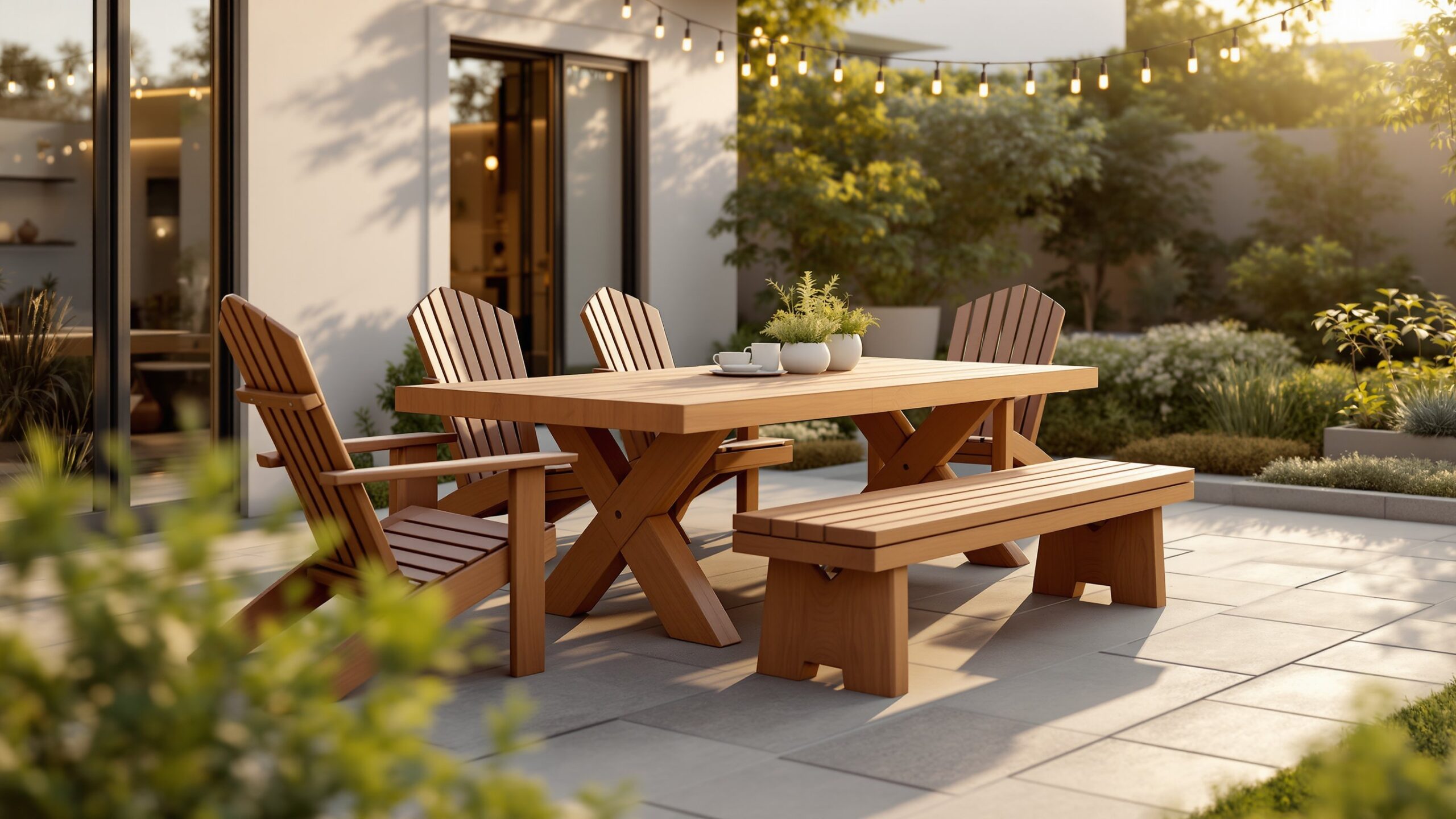
Adirondack chairs are more than just outdoor seating. With their wide armrests, gently slanted backs, and laid-back comfort, they symbolize slow mornings on the deck, sunset conversations by the lake, and long summer evenings around the fire pit. Whether your chairs are traditional wood or modern poly lumber, keeping them mold-free through changing seasons is essential for preserving their beauty, durability, and comfort. Mold thrives in damp, shaded, and humid conditions—exactly the environments outdoor furniture often faces. Rain, morning dew, fallen leaves, pollen, and fluctuating temperatures can all create the perfect breeding ground. The good news is that with smart seasonal care, proactive cleaning, and proper storage, you can prevent mold before it starts and keep your Adirondack chairs looking fresh year-round. This comprehensive guide walks you through how to prevent mold in every season, how to clean it safely if it appears, and how to protect both wooden and synthetic Adirondack chairs for long-term performance.
A: Keep chairs dry fast: airflow, sun rotation, and no wet cushions left on overnight.
A: Only when they’re fully dry—and use vented covers so moisture doesn’t condense inside.
A: Yes—elevate them, keep debris off, and avoid wrapping them airtight while damp.
A: Usually the environment stayed damp (shade + little airflow) or cushions kept re-wetting the surface.
A: They resist growth, but they’re not magic—drying and storage still matter.
A: HDPE won’t rot, but both can get mildew on surface dirt—HDPE just cleans easier.
A: Mild soap and water, light scrub, thorough rinse, and full dry—repeat more often rather than harsher once.
A: Underside of arms, under the seat front edge, slat seams, and around fasteners.
A: Use caution—too much pressure can fuzz wood, strip finish, and create a rough surface that holds moisture.
A: A dry, ventilated space or a covered area with airflow—avoid stacking tight and avoid sealing damp chairs in plastic.
Why Mold Forms on Adirondack Chairs
Before tackling prevention, it helps to understand why mold appears in the first place. Mold spores are everywhere in the air. When they land on a damp surface with organic material—such as wood fibers, pollen buildup, or trapped dirt—they can begin to grow within 24 to 48 hours under the right conditions.
Outdoor chairs are especially vulnerable because they are exposed to:
Moisture from rain and humidity
Shaded areas that limit drying
Organic debris like leaves and dust
Poor air circulation
Extended off-season storage in damp spaces
Wood Adirondack chairs are particularly susceptible because wood is porous and can absorb moisture. Even treated or sealed wood may develop surface mold if the protective layer wears down. Poly lumber and plastic chairs resist moisture absorption better, but dirt and mildew can still accumulate on surfaces. Preventing mold is largely about managing moisture and airflow.
Spring: Deep Cleaning and Resetting for the Year
Spring is the most important season for mold prevention. After winter storage or months of exposure to rain and snow, Adirondack chairs often need a thorough inspection and cleaning.
Start by placing your chairs in a sunny, open area. Sunlight is a natural mold inhibitor because ultraviolet rays help kill spores and dry surfaces. Inspect every surface carefully, including the underside of seat slats, joints, and hardware areas where moisture can linger.
If your wooden Adirondack chairs show surface mold, mix a solution of warm water and mild dish soap. Use a soft-bristle brush to gently scrub affected areas. For more stubborn mildew, a mixture of one part white vinegar to one part water works well as a natural mold treatment. Vinegar kills many types of mold without damaging wood when used properly.
Avoid harsh bleach solutions on stained or painted wood unless absolutely necessary, as bleach can discolor finishes and weaken wood fibers. If bleach must be used, dilute it heavily and rinse thoroughly.
Once cleaned, allow the chairs to dry completely in direct sunlight. Drying is just as important as washing. Even slightly damp wood can restart mold growth.
Spring is also the ideal time to reseal wooden Adirondack chairs. Applying a weather-resistant sealant, exterior wood oil, or marine-grade varnish helps repel moisture during the coming humid months. Proper sealing dramatically reduces mold risk.
Summer: Managing Humidity and Daily Exposure
Summer brings warmth and sunshine, but it also introduces humidity, sudden rainstorms, and heavy pollen accumulation. These conditions can create mold-friendly environments if maintenance is neglected.
Position your Adirondack chairs in areas with good airflow. Avoid placing them directly against house siding or dense shrubs where air circulation is limited. Elevating chairs slightly on a deck rather than directly on damp grass helps prevent moisture absorption from the ground.
After rainstorms, take a moment to wipe down wooden surfaces with a dry cloth if standing water is present. Though this may seem minor, removing excess water shortens drying time significantly.
Weekly light cleaning during summer is ideal. A quick rinse with a garden hose followed by sun drying removes pollen and dirt before they feed mold growth. For poly Adirondack chairs, mild soap and water are usually sufficient to keep surfaces clean and mildew-free.
Cushions require separate attention. If your Adirondack chairs include seat or back cushions, make sure they are made from mold-resistant outdoor fabric. Store cushions indoors during prolonged rainy periods. Even quick overnight storage in a dry garage can prevent trapped moisture from creating hidden mildew.
Fall: Removing Organic Debris Before It Builds Up
Fall is a high-risk season for mold because of fallen leaves, damp mornings, and cooler temperatures. Wet leaves sitting on Adirondack chairs can trap moisture for days at a time.
Regularly remove leaves, twigs, and debris from chair surfaces and underneath seat slats. Even small accumulations can retain moisture and promote mold growth.
This is also a good time to perform another light cleaning before winter arrives. Dirt that remains on chairs over winter can feed mold during storage.
If you plan to leave Adirondack chairs outdoors during winter, apply a fresh coat of protective sealant in early fall. This added barrier helps repel moisture from rain and early snowfall.
For those storing chairs indoors, clean and dry them thoroughly before moving them into storage. Never store damp furniture in enclosed spaces, as mold will develop rapidly in dark, humid areas.
Winter: Smart Storage to Prevent Hidden Mold
Winter mold often develops during storage rather than active outdoor use. Basements, sheds, and garages may seem dry, but fluctuating temperatures can create condensation. The best storage location is a cool, dry, well-ventilated area. Avoid placing chairs directly against concrete walls or floors where condensation collects. Elevating them slightly off the ground using pallets or blocks improves airflow. If covering chairs outdoors, use breathable furniture covers rather than plastic tarps. Plastic traps moisture and creates a humid microclimate—perfect for mold growth. Breathable covers allow moisture to escape while protecting against snow and debris. Before covering or storing, double-check that the chairs are completely dry. Even small pockets of trapped moisture inside wood joints can lead to winter mold outbreaks.
Wood vs. Poly Adirondack Chairs: Mold Prevention Differences
Wood Adirondack chairs require more proactive mold prevention because wood is porous. Cedar, teak, and acacia offer natural resistance to moisture, but they still need maintenance.
Teak contains natural oils that resist water absorption, yet it can still develop surface mildew if dirt accumulates. Regular gentle cleaning keeps it mold-free without stripping its protective oils.
Poly lumber Adirondack chairs are less vulnerable to mold penetration because the material does not absorb water. However, mildew can still grow on surface dirt. Routine washing and keeping surfaces clear of debris is usually enough to maintain them.
Painted wood chairs require particular attention. Cracked or chipped paint allows moisture to penetrate beneath the surface, creating hidden mold growth. Inspect painted finishes regularly and touch up any damage promptly.
Safe Mold Removal Techniques
If mold appears despite your best efforts, address it quickly. Early treatment prevents deeper damage.
For light surface mold on wood, a solution of vinegar and water applied with a soft brush is usually effective. Allow the solution to sit for 10 to 15 minutes before gently scrubbing. Rinse with clean water and dry thoroughly.
For more severe cases, oxygen-based cleaners formulated for outdoor wood can lift mold stains without harsh bleaching. Always test in a small area first to ensure compatibility with your finish. Pressure washing is not recommended for most Adirondack chairs, especially wooden ones. High pressure can damage wood fibers, strip finishes, and force water deep into joints, increasing mold risk later. After mold removal, consider applying a fresh protective sealant to restore moisture resistance.
The Role of Sunlight and Airflow
Two of the most powerful mold prevention tools are free: sunlight and airflow. Whenever possible, rotate Adirondack chairs periodically so all sides receive exposure to sun and breeze. Chairs that remain permanently shaded by trees or buildings are far more likely to develop mildew. If your yard is heavily shaded, occasional relocation to a sunnier spot for a day or two can dramatically reduce mold risk. Even short-term exposure helps dry hidden moisture pockets. Spacing chairs apart rather than clustering them tightly together also improves airflow and reduces trapped humidity.
Routine Maintenance Schedule for Mold-Free Chairs
Consistency is more effective than aggressive deep cleaning. A simple routine can prevent nearly all mold problems. In spring, perform a full cleaning and resealing. During summer, rinse and inspect weekly. In fall, remove debris and apply protective treatments. Before winter storage, clean and dry thoroughly. This steady rhythm ensures mold never has time to establish itself.
Preventing Mold on Cushions and Accessories
Adirondack chair cushions require just as much attention as the frames. Even if chairs are mold-free, damp cushions can introduce mildew.
Choose outdoor-rated fabrics designed to resist moisture and UV damage. After rain, stand cushions upright to encourage drainage and airflow.
If cushions become damp, allow them to dry completely in direct sun. Periodic washing according to manufacturer instructions prevents dirt buildup that feeds mold.
Consider storing cushions indoors when not in use, especially during prolonged rainy seasons.
Long-Term Protection Strategies
For homeowners who want maximum mold resistance with minimal upkeep, consider advanced protective treatments.
Marine-grade sealants offer superior moisture protection for wooden Adirondack chairs in coastal or humid environments. These finishes create strong water barriers while allowing wood to breathe.
Silicone-based water repellents can also add an invisible moisture shield. However, always verify compatibility with your specific wood type and finish.
For poly chairs, UV-protectant sprays designed for outdoor plastics can help maintain surface integrity and reduce micro-cracks where dirt accumulates.
Common Mistakes That Encourage Mold Growth
Many mold problems stem from small oversights. Storing chairs while slightly damp is one of the most common mistakes. Covering furniture with non-breathable plastic traps moisture and accelerates mildew. Ignoring minor dirt buildup allows organic matter to accumulate and feed spores. Placing chairs directly on wet grass for extended periods increases moisture exposure. Even well-sealed chairs can develop mold if airflow is restricted. Prevention requires attention to both surface protection and environmental conditions.
Eco-Friendly Mold Prevention Options
For environmentally conscious homeowners, natural mold prevention methods can be highly effective.
White vinegar remains one of the safest and most accessible mold treatments. Baking soda mixed with water can gently scrub surfaces without harming finishes.
Tea tree oil diluted in water offers antifungal properties, though it should be used sparingly due to its strong scent. Always rinse thoroughly after treatment.
These natural methods reduce chemical runoff and protect surrounding landscaping.
When to Refinish or Replace
If mold repeatedly returns despite cleaning and sealing, it may indicate compromised wood or finish failure. Softened wood fibers, persistent dark staining, or cracking may signal that refinishing is necessary.Sand affected areas lightly, clean thoroughly, and apply fresh sealant. In severe cases, replacing damaged slats prevents mold from spreading. Poly Adirondack chairs rarely require replacement for mold issues, but deep surface staining may benefit from specialized plastic cleaners.
Creating a Mold-Resistant Outdoor Setup
Your Adirondack chairs are part of a larger outdoor environment. Gravel or stone patios drain water better than grass lawns. Slightly sloped surfaces encourage runoff rather than pooling water.
Adding airflow around decks and patios reduces humidity. Strategic landscaping that avoids dense shrubbery around seating areas improves drying conditions.
Sometimes preventing mold is less about the chair itself and more about its surroundings.
Enjoying Mold-Free Adirondack Chairs Year-Round
Adirondack chairs are designed for relaxation, and mold should never compromise that experience. With thoughtful seasonal care, proactive cleaning, proper storage, and protective treatments, you can preserve both the beauty and structural integrity of your outdoor seating. The key is consistency. Small, regular maintenance efforts prevent major restoration projects later. By understanding how moisture, debris, and airflow affect mold growth, you can take simple steps to keep your Adirondack chairs fresh and inviting through spring rains, summer humidity, autumn leaves, and winter snow. When maintained properly, Adirondack chairs can last for decades, aging gracefully without the unsightly stains and odors of mold. A clean chair under a clear sky invites you to sit back, relax, and enjoy every season without worry.