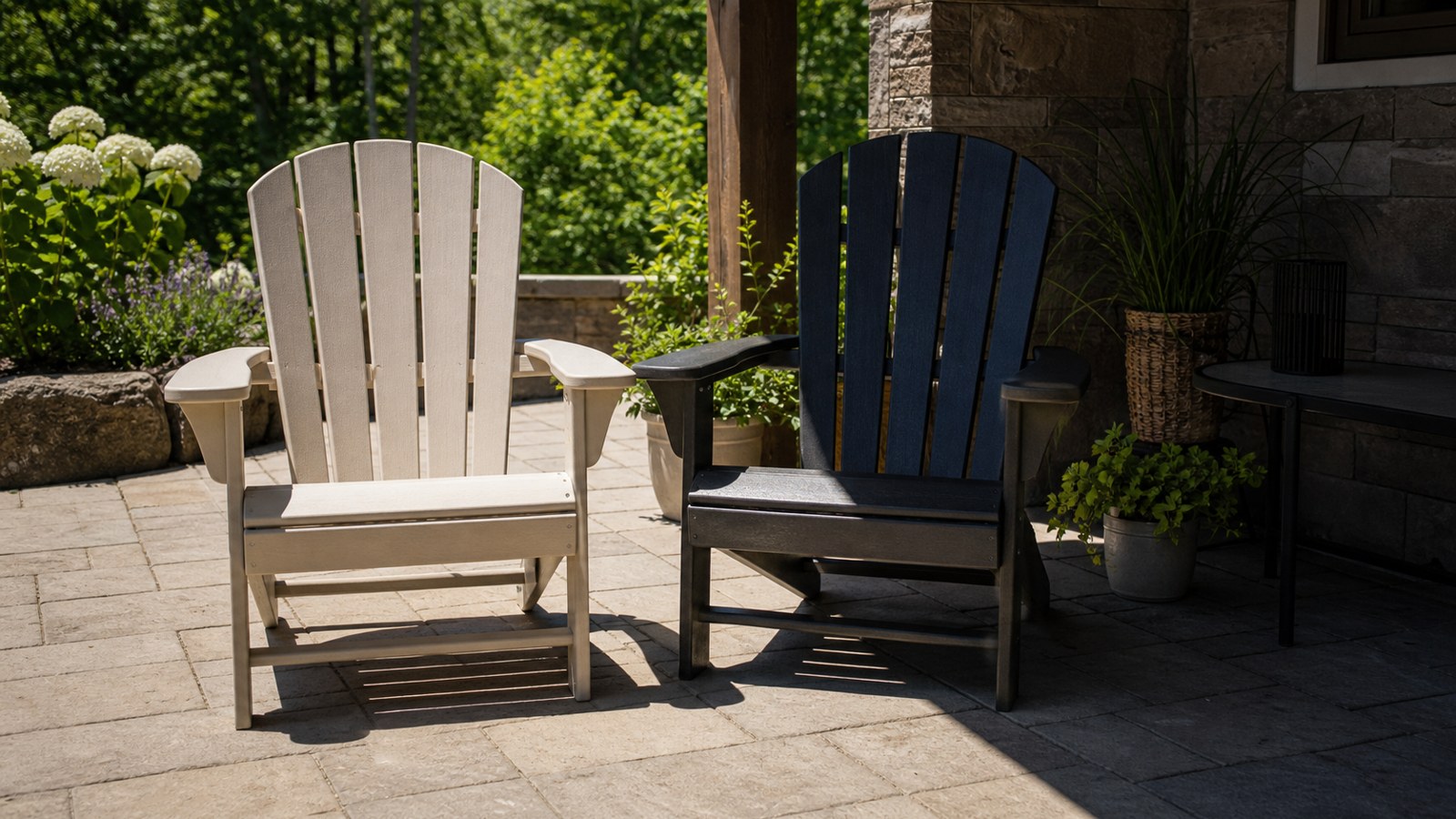
Why Resin Adirondack Chairs Are So Popular
Resin Adirondack chairs have earned their place in countless backyards, patios, and porches because they strike the perfect balance between comfort, style, and affordability. Their lightweight build makes them easy to move around, their bright colors add personality to outdoor spaces, and their waterproof nature allows them to withstand the elements better than untreated wood. People often choose resin chairs as a budget-friendly entry point into the Adirondack lifestyle, enjoying the wide armrests, deep reclined seating, and timeless design without the higher cost of premium woods or HDPE alternatives.
However, while resin chairs are often advertised as “maintenance-free,” the reality is that all outdoor furniture benefits from care. Dirt, pollen, mildew, and the effects of sun and rain can still impact their appearance and shorten their lifespan if ignored completely. The good news is that maintaining resin Adirondack chairs is far easier than maintaining wood or metal. With just a few simple habits, owners can keep their chairs looking vibrant and extend their usefulness for years. Knowing how to clean and maintain them properly allows homeowners to enjoy their investment without frustration.
A: Warm water + a few drops of dish soap + soft brush/microfiber.
A: Skip straight bleach baths; use diluted oxygen-based cleaners if needed, then rinse well.
A: Low PSI, wide fan tip, keep distance; test underside first.
A: Freeze with an ice cube, lift gently, then wash with soapy water.
A: Light vinegar soak on a cloth, dab, rinse; consider stainless hardware upgrades.
A: Soap + warm water + soft brush; let sun dry thoroughly afterward.
A: Try a pencil eraser or very gentle magic eraser—finish with soapy rinse.
A: Deep clean, dry, then stack with soft separators; avoid tight straps that deform shells.
A: Shade/umbrella, seasonal rotation, quick post-party wipe-downs.
A: Acetone, paint thinner, abrasive steel wool, or colored scouring pads.
Understanding Resin as a Material
To care for resin Adirondack chairs effectively, it helps to understand what resin actually is. Most resin chairs are made from molded polypropylene or polyethylene, both of which are types of plastic. Unlike HDPE lumber, which is dense and heavy, resin is usually hollow and lighter in weight. This makes resin chairs affordable and portable, but it also means they are more vulnerable to the elements than higher-grade plastics.
Resin does not rot like wood, and it is not prone to rust like metal, but it does respond to sunlight, temperature changes, and physical stress. Over time, resin can become chalky, faded, or brittle, especially if left outdoors in harsh conditions year-round. Knowing these characteristics is key to developing a cleaning and maintenance plan. By addressing the vulnerabilities of resin while celebrating its strengths, owners can dramatically increase the chairs’ lifespan.
The Enemies of Resin Adirondack Chairs
Every outdoor furniture material has enemies that wear it down. For resin, the biggest threats are sunlight, dirt buildup, mildew, and extreme temperatures. Sunlight gradually breaks down the molecular structure of the plastic, leading to fading and brittleness. Dirt and pollen can accumulate in grooves and crevices, making chairs appear older than they are. Moisture left on surfaces encourages mildew, which leaves dark stains that mar the clean look of the chair. Freezing winters can cause the material to contract and expand, sometimes leading to cracking if the chair is already weakened by age. These challenges may sound daunting, but they are manageable with simple habits. Unlike wood that requires annual sanding and sealing, resin responds well to basic cleaning methods. Addressing these issues early prevents them from becoming permanent and keeps the chairs looking as good as possible for as long as possible.
Regular Cleaning Keeps Resin Chairs Fresh
The foundation of maintenance for resin Adirondack chairs is regular cleaning. Dust, pollen, and dirt settle on surfaces week by week, dulling the vibrant colors and making the chairs look worn out even when they are structurally sound. A routine rinse with a garden hose is often enough to wash away light debris. For more stubborn grime, a bucket of warm water mixed with mild dish soap works wonders.
Using a soft sponge or cloth, owners can scrub the arms, seat, and back slats, paying attention to areas where dirt tends to gather. Rinsing thoroughly with clean water prevents soap residue from drying and leaving streaks. By incorporating this kind of cleaning once or twice a month during the warmer seasons, resin chairs can stay looking much newer than they would if neglected. This kind of maintenance takes just minutes but has long-term benefits.
Tackling Stains and Mildew
Sometimes regular cleaning is not enough, especially in humid climates where mildew thrives. Black or green spots can appear on resin surfaces, making chairs look dirty even after washing. Fortunately, mildew can be removed with a simple cleaning solution. A mixture of one part white vinegar to three parts water creates an effective cleaner that kills mildew without damaging the plastic. Applying the solution with a spray bottle and scrubbing gently with a soft-bristle brush usually lifts the stains. Afterward, rinsing with fresh water leaves the chair clean and fresh. For tougher stains, baking soda can be sprinkled onto a damp sponge and used as a gentle abrasive. These methods are inexpensive, safe, and effective for restoring resin chairs to their original appearance.
Protecting Chairs from Sun Damage
The sun is often the greatest threat to the longevity of resin Adirondack chairs. Ultraviolet rays gradually break down the pigments in the plastic, causing colors to fade and surfaces to appear chalky. While this process is natural, it can be slowed with preventive care. Placing chairs in partially shaded areas or under umbrellas helps reduce direct sun exposure. For those who want maximum protection, applying a spray-on UV protectant designed for plastic surfaces can add a layer of defense. These products act like sunscreen, shielding the chair’s surface from the harshest rays. Reapplying the protectant once or twice a season can extend the vibrancy of colors significantly. Even without sprays, simply rotating chairs occasionally so all sides receive equal sunlight helps prevent uneven fading.
Managing Chairs Through the Seasons
Another key to longevity is managing resin Adirondack chairs through seasonal changes. In regions with cold winters, leaving chairs outside year-round often accelerates wear. Freezing and thawing cycles can make plastic brittle, leading to cracks or breaks when someone sits down in the spring. Storing chairs indoors during the coldest months is one of the simplest ways to add years to their lifespan. Garages, sheds, or basements provide ideal shelter.
In coastal areas, salty air can contribute to wear, especially if combined with intense sun. Rinsing chairs regularly helps wash away salt deposits that can dull surfaces. In desert regions, where UV rays are most intense, consistent shading or UV sprays become even more important. By tailoring care to the local climate, homeowners can maximize how long their resin furniture lasts.
The Role of Weight and Placement
Because resin Adirondack chairs are lightweight, their placement can also impact longevity. On windy days, chairs may blow across decks or patios, leading to cracks, scuffs, or scratches. Placing them against a wall, using chair ties, or adding small weighted cushions can help stabilize them in gusty conditions. Avoiding placement directly on grass or soil also reduces wear. Moisture rising from the ground can create a damp environment that encourages mildew. Hard surfaces like decks, patios, or pavers are ideal locations. Taking the time to think about placement is a small step that can prevent a surprising amount of wear and tear.
Avoiding Harsh Cleaners and Abrasives
It can be tempting to reach for powerful cleaners when resin chairs look especially dirty, but harsh chemicals like bleach or strong solvents can do more harm than good. These cleaners may strip away the top layer of plastic, leaving it more vulnerable to sun damage and fading. Abrasive scrubbers like steel wool can scratch the surface, creating grooves that trap more dirt over time. The safest and most effective cleaning methods rely on mild soap, vinegar solutions, and soft brushes or sponges. These tools clean effectively without compromising the material. Even when stains seem stubborn, patience and gentle methods usually deliver better long-term results than aggressive cleaning ever could.
Cushions and Accessories Add Protection
Adding cushions or small accessories can do more than improve comfort—they can also help protect resin Adirondack chairs. Cushions shield seats and backs from direct sun, reducing fading in those areas. They also distribute weight more evenly, lowering stress on certain parts of the chair. Accessories like chair covers provide additional protection when chairs are not in use. A waterproof cover can keep rain, dirt, and sun off the chair entirely, extending its lifespan. For those who want resin chairs to last as long as possible, these small investments can make a significant difference.
How Cleaning and Maintenance Extend Lifespan
The difference between resin Adirondack chairs that last three years and those that last seven often comes down to care. Chairs that are left outside year-round, never cleaned, and constantly exposed to harsh sun or cold will inevitably deteriorate faster. On the other hand, chairs that are rinsed regularly, shielded from extreme conditions, and stored in winter can remain in good shape much longer.
This reality highlights the importance of simple habits. While resin will never match the two-decade lifespan of HDPE, attentive care can help owners get the maximum return on their investment. The small amount of effort required pays off in years of additional use.
Comparing Maintenance Needs with Other Materials
One reason people choose resin chairs is that they are simpler to maintain than wood. Wooden Adirondack chairs demand annual sealing or staining, and neglect leads quickly to splintering or rot. Metal chairs, while durable, may rust and require repainting. Resin bypasses these issues, offering the easiest maintenance routine of all.
Compared to HDPE, resin requires more attention to placement and seasonal storage, but cleaning methods are nearly identical. Both benefit from regular rinsing and occasional soap-and-water washes. The key difference lies in lifespan, not maintenance difficulty. Resin asks for slightly more vigilance to reach its maximum potential, while HDPE inherently lasts longer.
Environmental Impact of Maintenance
Cleaning and maintaining resin chairs also plays a role in their environmental footprint. The longer they last, the fewer replacements are needed, which means less plastic waste. Although resin is not usually made from recycled materials, extending its useful life still reduces landfill contributions. By using eco-friendly cleaning solutions like vinegar and baking soda instead of harsh chemicals, owners also reduce harmful runoff into soil and waterways. In this way, maintenance becomes both a personal and environmental responsibility. Taking care of what we own benefits not only our homes but the broader ecosystem.
Stories from Resin Chair Owners
Real-world stories often illustrate maintenance lessons better than instructions alone. One homeowner in Florida reported that their resin chairs faded dramatically after three summers in full sun but remained structurally sound. Once they started using UV-protectant sprays and covers, their newer chairs stayed vibrant for twice as long. Another family in Michigan stored their chairs indoors each winter and found they lasted nearly a decade before showing significant brittleness. A renter in California who left resin chairs outdoors year-round without cleaning saw mildew stains within a single season, learning the hard way that a simple vinegar wash could have prevented it. These stories emphasize how maintenance habits directly shape outcomes.
Practical Routines for Busy Households
For busy families, it helps to think of maintenance in small, manageable steps rather than big seasonal projects. A quick rinse while watering the garden, a sponge wipe during spring cleaning, or storing chairs in the garage when covering the grill are easy ways to integrate care into existing routines. By making cleaning and protection a natural part of outdoor living, the work never feels overwhelming. Resin chairs are designed for convenience, and their care should feel just as simple. Consistency, rather than intensity, is what ensures they remain attractive and functional for years.
When to Replace Resin Adirondack Chairs
No matter how well maintained, resin chairs are not built to last forever. Signs that replacement may be necessary include cracks in the seat or backrest, severe fading that no longer responds to cleaning, or brittleness that makes the chair feel unsafe. While cushions and covers can extend cosmetic appeal, structural issues mean it is time to move on. The good news is that with proper care, replacement does not come quickly. Owners who develop good habits often find they get double the lifespan compared to those who neglect their chairs. Replacement becomes a matter of choice rather than urgent necessity.
The Balance of Effort and Reward
Caring for resin Adirondack chairs is all about balance. They will never be completely maintenance-free, but the effort required is minimal compared to other furniture materials. A little attention to cleaning, placement, and seasonal protection goes a long way. The reward is chairs that stay brighter, cleaner, and more enjoyable year after year. In the end, maintenance is less about chores and more about maximizing enjoyment. Outdoor furniture exists to create spaces of rest and community, not constant work. By adopting a few simple habits, resin Adirondack chairs can deliver comfort and charm season after season without becoming a burden.