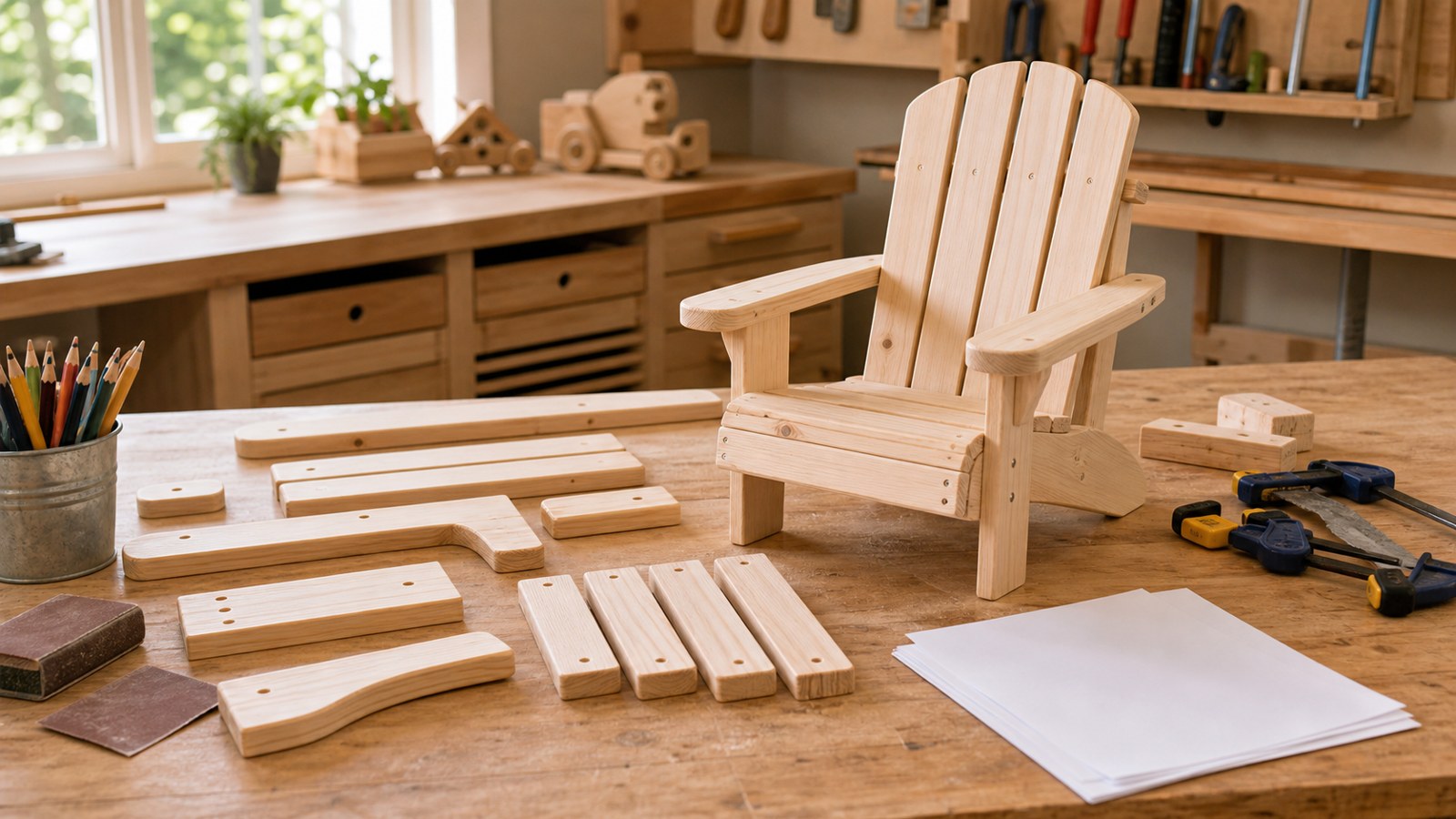
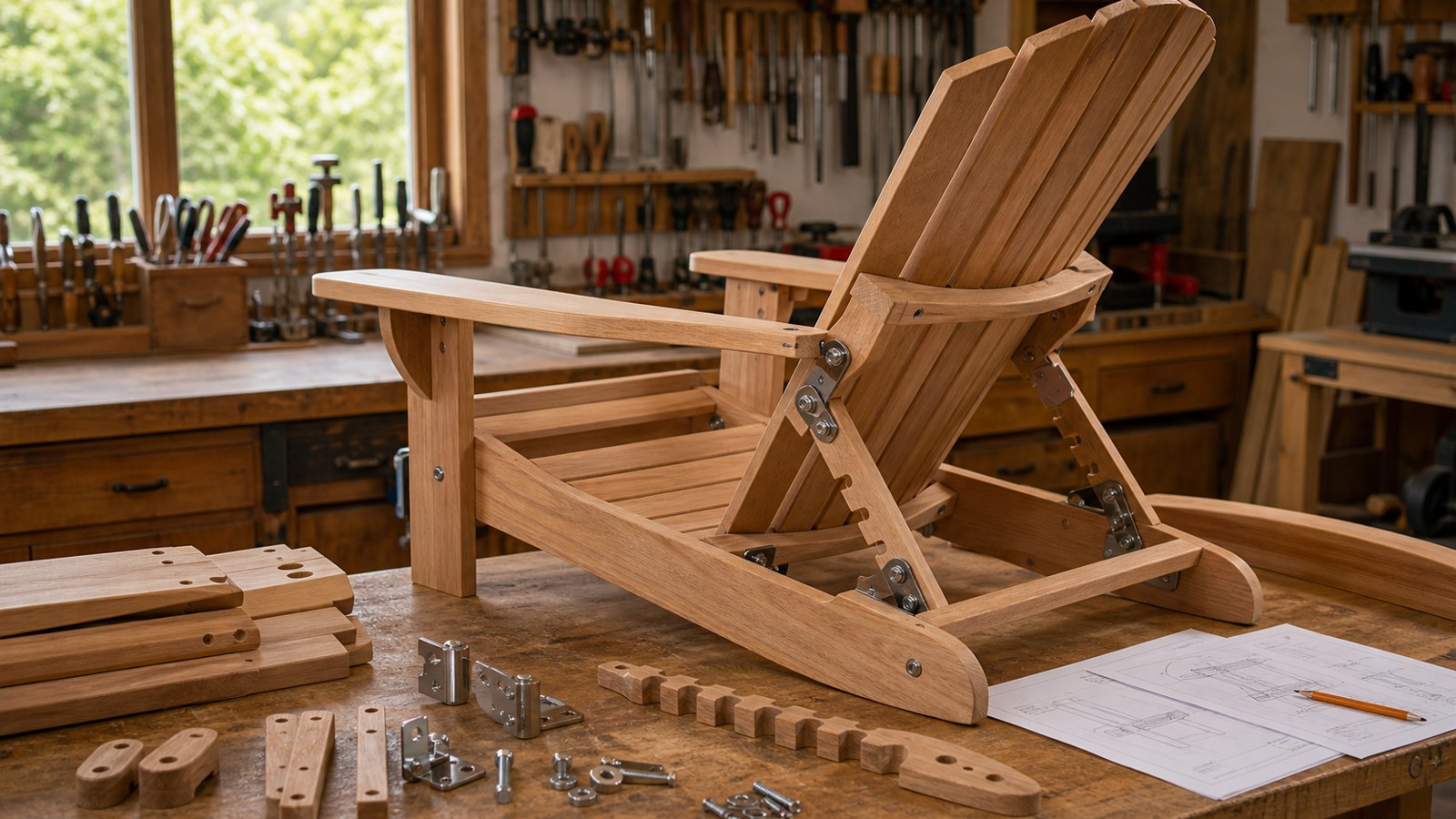
Adirondack chairs are among the most iconic and inviting pieces of outdoor furniture ever designed. Their wide armrests, deep-sloping seats, and sturdy backrests evoke images of lakeside cabins, sunny porches, and long summer evenings. For many DIY enthusiasts, building one’s first Adirondack chair becomes a rite of passage—a project that blends craft, comfort, and classic style. But one question often stands out before the sawdust starts flying: Are free Adirondack chair plans good enough for beginners? The internet is filled with downloadable diagrams and YouTube tutorials promising easy builds and professional results. Yet, not all plans are created equal. This article dives deep into what makes free plans worthwhile, where they fall short, and how to evaluate whether they’ll truly set a beginner up for success.
A: Yes—start with a plan that shows multiple views, clear dimensions, and a labeled cut list.
A: Read comments, look for build photos, and check that seat/back angles and lumber sizes are specified.
A: Cedar balances durability, weight, and cost; SPF is fine for painted prototypes.
A: Use a handsaw for straights and a rasp/spokeshave to fair gentle curves; or print, trace, and have a shop cut.
A: Yes—shim the front seat ½" for easier egress or increase back curvature for lumbar support.
A: Plan for a weekend: cutting/fairing day one; assembly/finish day two.
A: Paid plans save time with full-size templates and pro tips; materials cost is the same.
A: Paint is lowest maintenance in high sun; oil is easy to renew; varnish looks premium but needs upkeep.
A: Scale from known parts, use story sticks, or reference a proven paid plan to fill gaps.
A: When you want repeatable production, size variations, hidden fasteners, or commercial sales.
The Appeal of Building an Adirondack Chair Yourself
Few woodworking projects strike the balance between challenge and satisfaction quite like the Adirondack chair. For beginners, it offers an introduction to curved cuts, angled joinery, and sanding techniques that turn rough lumber into a finished piece worthy of a magazine spread. It’s also practical—something you’ll actually use and proudly display.
The appeal goes beyond craft. Building an Adirondack chair means personalizing comfort. You control the recline, the arm width, the back height, and even the type of wood. While store-bought versions can cost hundreds of dollars, DIY models often come together for a fraction of that, especially when following a free plan.
Yet, the accessibility of free plans is both their greatest advantage and their biggest gamble.
What “Free Adirondack Chair Plans” Really Offer
When people search for free Adirondack chair plans, they usually find PDFs, blog posts, or printable diagrams that include cutting lists, assembly steps, and measurements. Some are hand-drawn sketches uploaded by hobbyists; others are professionally produced by woodworking publications hoping to attract subscribers.
At their best, these plans include:
- A full materials list with dimensions
- Measured diagrams for each component (seat slats, back supports, arms, legs)
- Step-by-step assembly instructions
- Angle guides for recline and support cuts
- Notes on wood selection, fasteners, and finishing
However, free plans vary wildly in accuracy and completeness. One may omit critical information about screw placement or load-bearing joints, while another might use nonstandard measurements. As a beginner, these small gaps can lead to confusion, wasted lumber, or chairs that wobble or split.
Understanding Skill Level and Project Complexity
The Adirondack chair looks deceptively simple. To an untrained eye, it’s just a slanted seat with a backrest. But for a builder, it involves a surprising mix of technical considerations: compound angles, curved edges, and ergonomic alignment.
Many free plans claim to be “easy,” but this label is subjective. A beginner who has never used a jigsaw or orbital sander may find the shaping process intimidating. Similarly, plans that require biscuit joints, dowels, or pocket screws can feel like overkill when a simpler screw-and-glue method would suffice.
To gauge whether a plan truly fits a beginner level, ask these questions:
Are all dimensions listed? Missing measurements are red flags.
Does it explain tool requirements clearly? Plans should list what’s essential versus optional.
Are there visual diagrams? Illustrations help visualize cuts and alignments.
Is the recline angle specified? Comfort depends on accuracy here—typically around 15–20 degrees.
Does it specify wood thickness and width? Consistency ensures sturdiness.
If the plan assumes you already know how to cut an arc or calculate a bevel angle, it’s probably not beginner-friendly, even if labeled “simple.”
The Advantages of Free Adirondack Chair Plans
Despite their inconsistencies, free plans do offer genuine value—especially for those testing the waters before committing to more expensive projects.
1. They’re Cost-Effective
The biggest benefit is obvious: they’re free. Beginners can experiment without financial risk, using scrap wood or budget lumber. For someone learning tool control or assembly order, it’s a low-stakes introduction.
2. They Encourage Experimentation
With dozens of designs available online—from classic high-backs to modern curved silhouettes—you can compare dimensions, swap features, or even blend multiple ideas. This creative flexibility fosters confidence and teaches problem-solving.
3. They Build Foundational Skills
Free plans often involve basic joinery and cutting techniques that serve as building blocks for future projects. Measuring accurately, drilling pilot holes, and sanding smooth curves are transferable woodworking fundamentals.
4. They Offer a Sense of Community
Many free plans come from hobbyist forums or YouTube creators who share photos, troubleshooting tips, and modification ideas. Beginners can learn from others’ successes and mistakes—a digital apprenticeship of sorts.
The Drawbacks of Free Plans: What Beginners Should Watch For
While the appeal is strong, free plans often come with trade-offs that beginners need to recognize early.
1. Inconsistent Accuracy
Free plans are not always vetted by professionals. Small measurement errors compound over multiple cuts, leaving gaps or misaligned pieces. Even a ⅛-inch discrepancy in the seat angle can dramatically alter comfort.
2. Missing Step-By-Step Clarity
Many plans assume a certain level of woodworking intuition—like how to countersink screws or properly clamp curved parts during glue-up. Beginners who rely on literal instruction can find themselves stuck midway.
3. Limited Material Guidance
Not all woods behave the same. A plan that looks fine with cedar might split if built in pressure-treated pine. Free plans rarely address this nuance, leaving beginners to discover it the hard way.
4. Lack of Safety Notes
Power tools and angled cuts can pose risks. Paid plans or books usually include safety reminders; free ones often omit them. Beginners deserve clear warnings about blade guards, kickback, and sanding dust precautions.
5. No Quality Assurance
Professionally published plans undergo testing—someone actually builds the chair before releasing instructions. Free versions might never have been built, existing only as theoretical diagrams.
How to Evaluate Whether a Free Plan Is Worth Using
Not all free Adirondack chair plans are equal. To separate helpful resources from potential headaches, evaluate each one carefully before you cut your first board.
- Check the Source. Plans from reputable woodworking magazines, hardware stores, or university extension programs are more reliable than those from anonymous forums.
- Look for User Photos. If others have successfully built from the same plan and shared results, it’s a good sign.
- Compare Measurements. Cross-check at least two different plans. Consistency in backrest height (32–36 inches) and seat depth (18–20 inches) suggests accuracy.
- Preview the Tools Needed. Ensure the tools match your comfort level—some designs require band saws or routers, while others need only a circular saw and drill.
- Watch Companion Videos. Many free plans come with step-by-step videos. Seeing the assembly visually can clarify vague instructions.
Doing this pre-build homework prevents frustration and material waste, while boosting your understanding of the process.
The Importance of Wood Selection and Preparation
Even the best plan can fail if the material choice is poor. Beginners often underestimate the influence of wood on both ease of construction and long-term durability.
Cedar and cypress are ideal beginner woods—they’re lightweight, rot-resistant, and easy to cut. Pine is more affordable but needs sealing or painting to withstand outdoor conditions. Hardwood species like teak or mahogany look luxurious but are heavier, harder to shape, and costly to replace if errors occur.
Before cutting, boards should be checked for warping or knots that might affect screw placement. Labeling each piece before assembly also helps beginners avoid mixing parts, especially since many slats look similar in size. A good plan should mention these preparation steps, but if not, add them yourself as part of your learning process.
Tools and Techniques Every Beginner Should Know
The beauty of the Adirondack chair project is that it helps you learn practical woodworking skills without overwhelming complexity. Most builds require just a few tools:
- Circular saw or jigsaw for cutting curves
- Drill and bits for pilot holes
- Screwdriver or impact driver
- Measuring tape and combination square
- Sandpaper or orbital sander
Some advanced plans introduce routers or miter saws for precision angles, but those can be added later as confidence grows. What matters most is patience and attention to detail—dry-fit every joint before final assembly to ensure angles align and the chair sits flat.
If a free plan doesn’t show clearly how each piece connects, try sketching it yourself or comparing to photos online. Visual reinforcement is key for beginners translating 2D diagrams into 3D understanding.
Comfort and Ergonomics: Where Free Plans Often Falter
Comfort defines an Adirondack chair. The classic recline supports a natural lounging position that relieves pressure from the lower back. However, achieving that comfort depends entirely on angles—and this is where many free plans fall short.
A small miscalculation in seat-back intersection or leg height can make a chair feel awkwardly upright or sink too deeply. The optimal angle between seat and back is typically around 100–105 degrees. Seat slats should tilt downward by 5–7 degrees, guiding weight toward the backrest naturally.
Free plans often simplify or ignore these ergonomic measurements, using rounded numbers like “cut at 20 degrees” without context. Beginners may not realize how those numbers affect posture until after assembly. For a first-time builder, seeking a plan that specifies both seat and back angles—and how they meet—is essential.
Modifying Free Plans for a Better Build
One of the best ways to learn is by improving what already exists. Even if a free plan isn’t perfect, beginners can adjust it with small refinements that make a big difference.
Start by adding extra bracing under the seat if the design feels too light. Substitute exterior-grade screws for interior ones to prevent corrosion. Consider rounding armrest edges with sandpaper for a smoother feel, or widening the arms to better hold a cup or book.
Many builders also adapt free plans to match personal height or comfort preferences—raising the seat slightly for easier entry, for instance, or reducing the backrest curve for upright sitting.
These modifications transform a basic plan into a personalized project and reinforce problem-solving confidence. Just remember to sketch or model changes beforehand to avoid conflicting dimensions.
When Paid Plans or Kits Might Be Worth It
There’s no shame in starting with extra guidance. Paid Adirondack chair plans or pre-cut kits can be worthwhile for true beginners who value structure and reliability. Paid plans typically include detailed CAD drawings, 3D assembly renderings, and explicit screw-by-screw walkthroughs. Many also provide access to customer support or video tutorials. Kits, meanwhile, eliminate measurement risk entirely—the pieces arrive pre-cut and sanded, ready for finishing. While this approach sacrifices some creative freedom, it guarantees a successful first build. Think of it as training wheels for woodworking; once you understand how each part fits, you can confidently tackle future chairs from scratch using free plans.
Combining Free Resources with Paid Guidance
The most successful beginners often use a hybrid approach. They’ll start with a free plan to understand proportions, then consult a paid book or course to refine technique. Online woodworking communities like Reddit’s r/woodworking or YouTube channels like “Steve Ramsey – Woodworking for Mere Mortals” bridge that gap beautifully.
By comparing multiple sources, you begin to recognize universal patterns—the ideal seat height, the proper wood grain direction, or how to evenly space slats. Over time, you’ll develop the intuition that makes even flawed free plans workable.
Finishing and Protecting Your Chair
Once assembled, the chair’s longevity depends on finishing. Free plans often gloss over this final stage, but it’s critical for outdoor durability. Beginners should sand all surfaces smooth with progressively finer grits—starting around 80 and finishing near 150. Corners should be rounded slightly to resist splintering. Apply an outdoor-grade sealer, stain, or paint to repel moisture and UV damage. Cedar can remain unfinished for a natural gray patina, but pine absolutely requires protection. Always coat both sides of each board before final assembly when possible; trapped moisture can cause swelling and rot if left untreated. A well-finished chair not only looks beautiful but also teaches surface preparation—the hallmark of quality craftsmanship.
Learning From Mistakes: The Beginner’s Advantage
Every woodworker remembers their first Adirondack chair. Maybe one leg sat slightly uneven, or the back curve wasn’t quite symmetrical. But these imperfections are not failures—they’re lessons.
Free plans provide room to make those early mistakes cheaply and safely. You’ll learn how grain direction affects cutting, why pre-drilling prevents splits, and how sanding transforms comfort. By the second chair, you’ll already be faster, more accurate, and more creative.
Remember, woodworking is a journey of refinement. The difference between a free plan and a professional blueprint often lies in experience—and experience can’t be downloaded; it’s built, one project at a time.
Sustainability and the DIY Ethic
Another often-overlooked benefit of building from free plans is sustainability. Instead of buying mass-produced furniture shipped across continents, you can source local wood or even repurpose pallets.
This connection to material and process deepens your appreciation for craftsmanship. Free plans democratize design—making high-quality furniture accessible to anyone with basic tools and patience. In that sense, they carry forward a century-old Adirondack tradition rooted in simplicity, function, and a love of the outdoors.
Common Beginner Questions About Free Adirondack Plans
1. Do free plans fit all body types?
Not always. Most designs follow general averages, so taller or shorter users may want to adjust seat height or back curve for comfort.
2. How long does the first build take?
Typically one full weekend—around 8–12 hours spread over two days. Drying time for paint or sealant adds extra.
3. Can I use screws instead of wood glue?
Yes, exterior-grade screws work fine for beginners. Glue adds strength but can make future repairs harder.
4. Is pressure-treated lumber safe?
Modern treated lumber is safer than older types, but wear gloves when sanding and seal all surfaces before use.
5. What’s the easiest free plan to start with?
Look for “straight-slat” versions that minimize curves—such designs reduce cutting complexity while retaining Adirondack style.
Case Study: A Beginner’s First Chair Using a Free Plan
Consider Emma, a first-time builder who downloaded a free Adirondack chair plan from a woodworking blog. She used cedar boards, a circular saw, and a cordless drill.
Her first challenge came when the plan lacked clear side-profile angles. After a few test cuts, she adjusted manually—discovering that small tweaks improved comfort. The chair came out slightly uneven at first, but a bit of sanding and bracing fixed it.
By the end of the weekend, Emma had a sturdy, handsome chair she proudly placed on her deck. Her total cost? Under $60 in materials. More importantly, she gained practical skills and confidence—ready to attempt a loveseat version next.
This story mirrors thousands of similar successes: beginners who learn through doing, guided by imperfect but inspiring free resources.
The Bottom Line: Are Free Adirondack Chair Plans Good Enough?
In most cases, yes—but with the right mindset. Free Adirondack chair plans are absolutely good enough for beginners who approach them as learning tools, not flawless blueprints. They teach fundamental woodworking principles, foster creativity, and make craftsmanship accessible to all. However, they’re not “plug-and-play.” Expect to measure twice, adjust frequently, and occasionally improvise. Treat each small setback as part of your education. If you crave step-by-step precision, supplement with paid guides or kits for your first build, then return to free plans as your confidence grows. In time, you’ll know instinctively what measurements feel right and even begin designing your own variations. The Adirondack chair’s enduring charm lies in its simplicity and soul—it invites both rest and craftsmanship. Whether you follow a free plan to the letter or customize every curve, what matters most is the satisfaction of sitting back, looking over your handiwork, and realizing you built comfort with your own two hands.